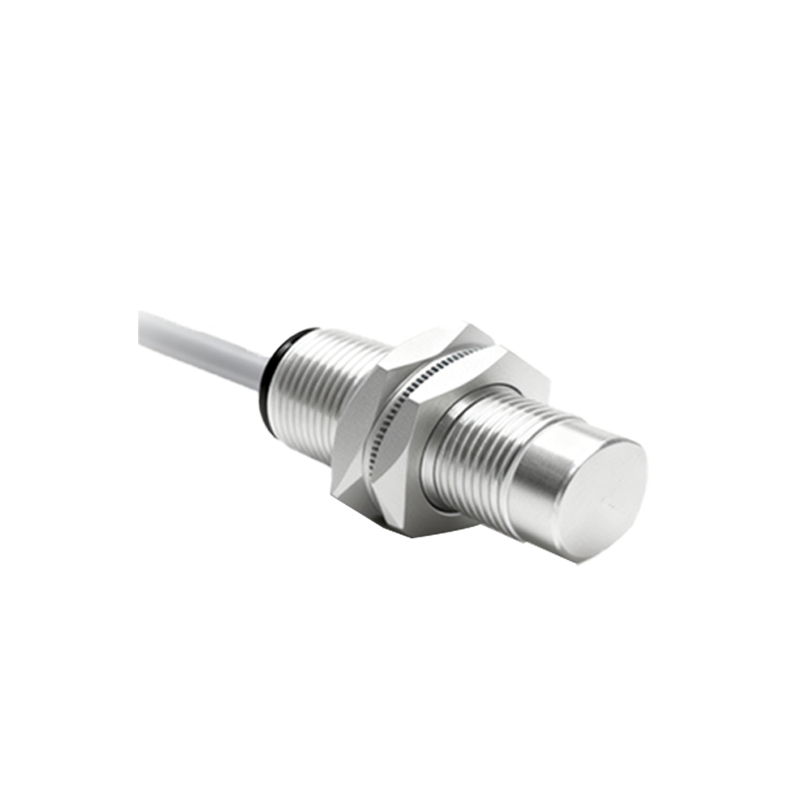
Proximity sensors are essential components in modern industrial automation, and the conductors within these sensors play a critical role in their performance. These conductors, typically made from materials like copper, aluminum, or specialized alloys, are designed to facilitate efficient signal transmission and electromagnetic field generation, enabling the sensor to detect objects without physical contact. One key characteristic is their low electrical resistance, which minimizes energy loss and ensures reliable operation in various environments, including high-temperature or corrosive settings. The conductors often feature robust insulation coatings, such as PTFE or PVC, to prevent short circuits and enhance durability against mechanical stress and chemical exposure. Additionally, their flexibility and compact design allow for integration into tight spaces within machinery, supporting applications in packaging, automotive assembly, and robotics. The conductivity stability over time is another vital aspect, as it ensures consistent sensor accuracy and longevity, reducing maintenance needs. Advanced proximity sensor conductors may also incorporate shielding to mitigate electromagnetic interference (EMI), crucial in environments with high electrical noise. In summary, the conductors in proximity sensors combine material science and engineering precision to deliver high sensitivity, reliability, and adaptability, making them indispensable for efficient and safe industrial operations.