In the realm of industrial automation, robotics, and smart systems, the ability to detect the presence, absence, or precise distance of an object without physical contact is fundamental. This capability is delivered by proximity and distance sensors, two closely related yet distinct categories of sensing technology. While often discussed together due to their non-contact nature, they serve different purposes based on the specific information required—simple detection versus precise measurement.
Proximity sensors are designed primarily to detect the presence or absence of a target object within a predefined, short range. Their output is typically a simple binary signal: on or off. Common technologies include Inductive, Capacitive, Magnetic, and Photoelectric sensors. Inductive sensors are workhorses in metal detection applications, generating an electromagnetic field to sense ferrous and non-ferrous metals. They are highly reliable, robust against environmental factors like dust or oil, and are staples on assembly lines for part detection and counting. Capacitive sensors, on the other hand, can detect a wider variety of materials, including liquids, powders, plastics, and wood, by measuring changes in capacitance. This makes them ideal for level detection in tanks or presence detection of non-metallic objects. Photoelectric sensors use a light beam (visible, infrared, or laser) and are versatile for longer-range detection compared to inductive/capacitive types, though they can be affected by ambient light or transparent objects. Ultrasonic sensors, which can function as both proximity and distance devices, emit sound waves and measure the time for the echo to return, working well in challenging environments with dust, smoke, or varying colors.
Distance sensors, often called distance measuring sensors or ranging sensors, provide continuous analog or digital data representing the exact distance to a target. Key technologies here include Laser Triangulation Sensors, Time-of-Flight (ToF) sensors, Ultrasonic Ranging sensors, and Confocal Chromatic sensors. Laser triangulation is renowned for its high precision at short to medium ranges. It projects a laser spot onto the target, and a receiver lens images the spot onto a position-sensitive detector; the spot's position shifts proportionally to the target's distance. This technology is critical in applications like wafer alignment, thickness measurement, and 3D scanning. Time-of-Flight sensors, which include laser-based LiDAR and IR-based ToF modules, calculate distance by measuring the round-trip time of a light pulse. They are excellent for medium to long-range applications, such as robotics navigation, drone altitude control, and gesture recognition. Confocal chromatic sensors use white light and spectral analysis to achieve sub-micron resolution, ideal for measuring transparent or reflective surfaces like glass or polished metal.
The selection between a proximity switch and a precision distance sensor hinges on the application's core requirement. Use a proximity sensor when the need is for reliable, cost-effective object detection for tasks like limit switching, jam detection, or simple counting. Choose a distance sensor when quantitative measurement is paramount—for example, in positioning control, fill level monitoring, dimensional inspection, or robot path planning where precise gap or height data is necessary.
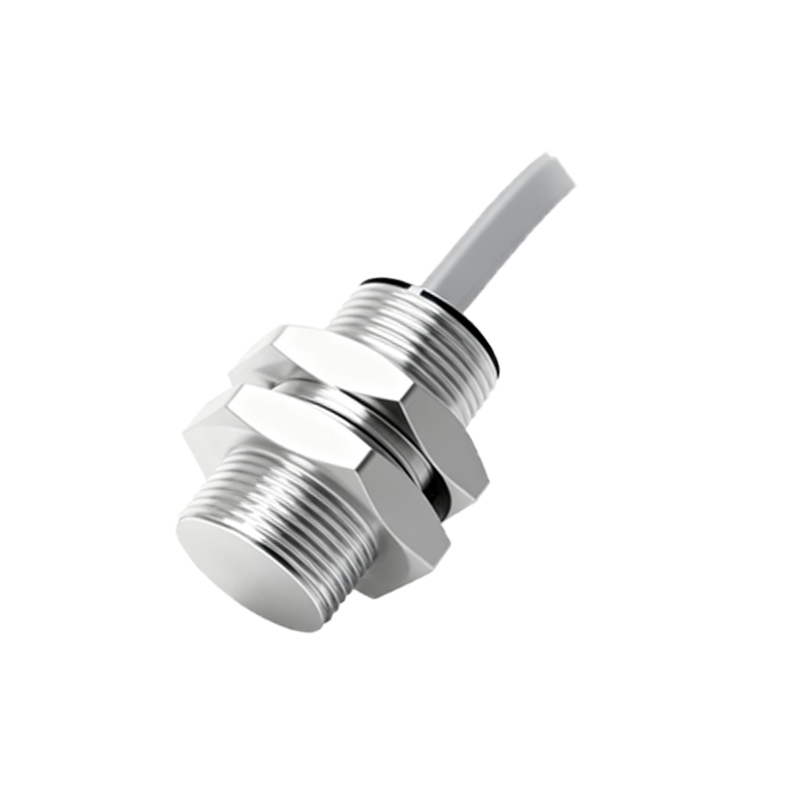
Several critical factors influence sensor selection beyond basic function. Range: Proximity sensors typically work from a few millimeters up to about 60mm for inductive types, while photoelectric and ultrasonic can reach several meters. Distance sensors have varying ranges from sub-millimeter (confocal) to hundreds of meters (LiDAR). Target Material: Inductive for metals, capacitive for nearly all materials, optical sensors may struggle with certain surfaces (dark, absorbent, or transparent). Environmental Conditions: Consider temperature, humidity, pressure, and the presence of contaminants like dust, steam, or vibrations. Inductive and ultrasonic sensors are generally more resilient in harsh industrial settings. Output Required: Discrete (PNP/NPN, NO/NC) for proximity sensors versus analog (4-20mA, 0-10V) or digital (IO-Link, RS-485) for distance sensors. Accuracy and Resolution: Distance sensors specify these parameters meticulously; a laser triangulation sensor might offer 1µm resolution, whereas a proximity sensor's "accuracy" is its repeatability within its sensing window.
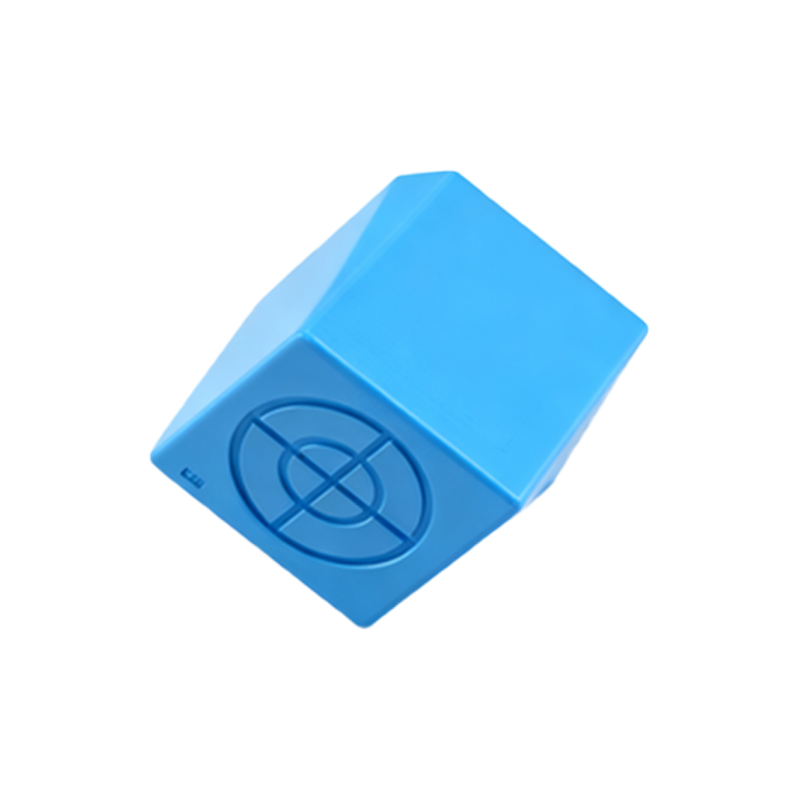
The evolution of these sensors is tightly coupled with Industry 4.0 and IoT trends. Modern sensors increasingly feature smart capabilities like IO-Link communication, which allows for parameterization, remote monitoring, and diagnostics. This digital layer transforms a simple sensor into a data point in a networked system, enabling predictive maintenance and process optimization. Furthermore, sensor fusion—combining data from proximity, distance, vision, and inertial sensors—is creating more perceptive and adaptive robotic systems and autonomous vehicles.
In conclusion, proximity and distance sensors form the essential "touchless" senses of modern automation. Understanding their operational principles, strengths, and limitations is crucial for engineers and system integrators to design efficient