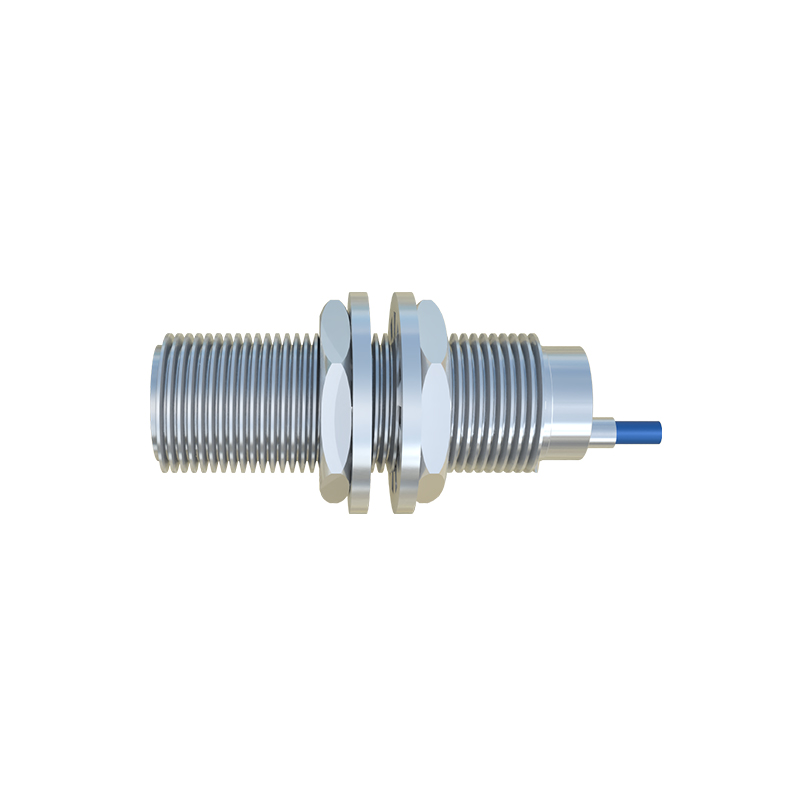
In the realm of industrial automation and electrical control systems, proximity switch sensors stand as critical components for non-contact detection of metallic objects. At the heart of ensuring the reliable performance and longevity of many such sensors, particularly inductive types, lies a seemingly simple yet profoundly important element: the induction spring. This article delves into the specialized role, design considerations, and maintenance aspects of springs dedicated for use in proximity sensor applications.
The primary function of a proximity sensor induction spring is to maintain optimal electrical contact and mechanical alignment within the sensor's internal assembly. Unlike general-purpose springs, these components are engineered for specific operational parameters. They are typically situated to ensure consistent pressure between the sensing coil, damping materials, and the housing. This consistent pressure is paramount for maintaining stable oscillatory circuit characteristics, which directly influence the sensor's sensitivity, repeatability, and switching point accuracy. Any variance in spring tension can lead to signal drift, false triggering, or a reduction in the nominal sensing distance.
Material selection for these springs is a science in itself. Given their operating environment, they must exhibit excellent mechanical fatigue resistance, high-temperature stability, and superior electrical conductivity. Beryllium copper and phosphor bronze are frequently chosen alloys due to their ideal combination of spring properties, corrosion resistance, and conductivity. For applications in harsh environments involving oils, coolants, or chemical vapors, springs may be plated with gold, silver, or nickel to prevent oxidation and ensure a low-resistance contact path over millions of operational cycles. The choice of material directly impacts the sensor's ability to perform reliably in environments with wide temperature fluctuations, typically ranging from -25°C to +85°C or beyond.
Design geometry is another critical factor. The spring must provide a precise force-deflection curve. Too weak a spring can result in intermittent contact due to vibration—a common challenge in industrial settings on machinery like CNC lathes, robotic arms, or conveyor systems. Conversely, excessive force can cause premature wear on internal components or even deform the delicate coil form. Engineers often specify conical, helical, or cantilever beam spring designs based on the spatial constraints and the required direction of force application within the sensor's encapsulated body. Finite Element Analysis (FEA) is commonly employed during the design phase to simulate stress distribution and predict fatigue life.
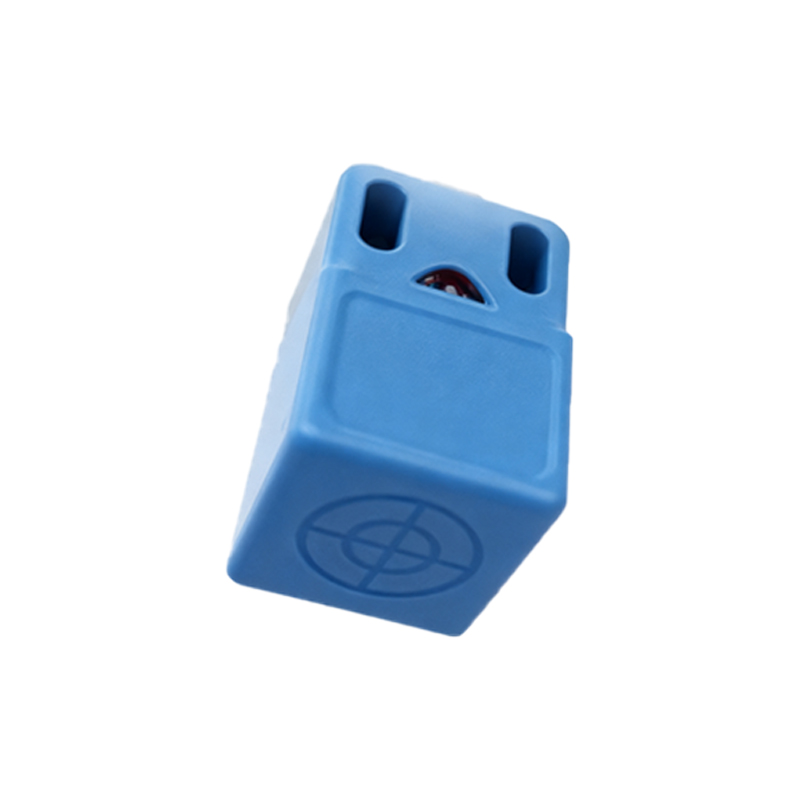
From a maintenance and troubleshooting perspective, induction spring failure is a known, though often overlooked, root cause of sensor malfunction. Symptoms of a degraded or failed spring include inconsistent output signals, a complete loss of detection capability, or an altered sensing range. During preventive maintenance, technicians should be aware that physical shock or excessive vibration can permanently set a spring, reducing its clamping force. Furthermore, in sensors exposed to conductive contaminants like metal shavings, springs can become shorted or their motion impeded. It is generally not recommended to attempt replacing these springs in the field with non-specified alternatives, as the calibrated performance of the sensor depends on the spring's exact specifications. Instead, sourcing an OEM replacement part or the entire sensor assembly is the advised course of action.
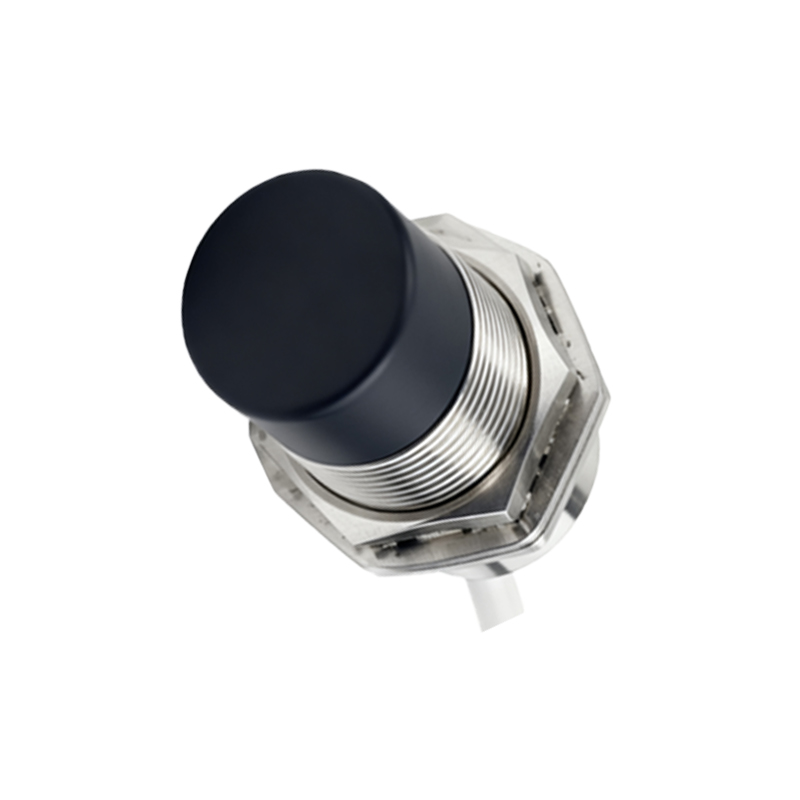
The evolution of sensor technology also influences spring design. The trend towards miniaturization, especially in M8 and M12 form-factor sensors, demands ever-smaller and more precise springs. Similarly, high-frequency AC sensors used for detecting non-ferrous metals like aluminum or copper place different demands on the spring's electrical characteristics compared to standard DC sensors for steel. The spring becomes an integral part of the high-frequency circuit, where its parasitic inductance and capacitance can become non-negligible factors.
In conclusion, the induction spring in a proximity switch sensor is far from a generic component. It is a precision-engineered element whose properties are meticulously matched to the sensor's electrical and mechanical requirements. Understanding its role underscores a fundamental principle in electrical engineering: reliability is built from the synergy of all components, no matter how small. For design engineers, specifying the correct sensor inherently means trusting in the quality of its internal springs. For maintenance professionals, recognizing the spring as a potential failure point can lead to faster, more accurate diagnostics and reduced machine downtime, ensuring continuous and efficient operation in automated industrial processes.