In the realm of industrial automation and control systems, proximity sensors stand as fundamental components, enabling machines to "sense" the presence or absence of objects without physical contact. These non-contact devices are pivotal for enhancing efficiency, safety, and reliability in countless applications. This article delves into the core principles, primary types, key applications, and essential selection criteria for proximity sensors.
At their essence, proximity sensors detect the presence of a target object within a specified sensing range. They achieve this by emitting an electromagnetic field, beam, or ultrasonic wave and then monitoring for changes in the return signal or field. The absence of physical contact eliminates mechanical wear and tear, significantly extending operational life and allowing for high-speed operation. The target material can be metallic or non-metallic, depending on the sensor technology employed.
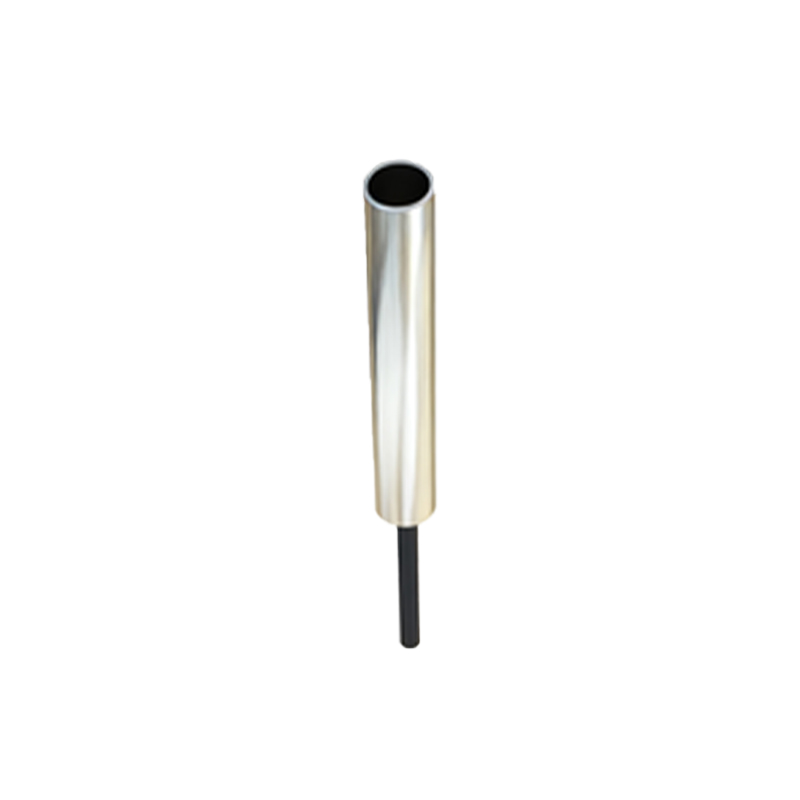
The industrial landscape primarily features four major types of proximity sensors, each with distinct operating principles and ideal use cases.
Inductive Proximity Sensors are the workhorses for metal detection. They generate an oscillating electromagnetic field from a coil. When a ferrous or non-ferrous metal object enters this field, it induces eddy currents, causing a change in the oscillation amplitude. This change is detected by the sensor's circuitry, triggering an output signal. Inductive sensors are robust, resistant to environmental contaminants like dust and oil, and excel in detecting metals on assembly lines, in machine tools, and for position verification.
Capacitive Proximity Sensors can detect both metallic and non-metallic materials, including liquids, plastics, glass, and wood. They function by generating an electrostatic field. Any object with a dielectric constant different from air will alter the capacitance of the sensor's field, triggering detection. This makes them versatile for applications like liquid level sensing, material handling of non-metallic goods, and detecting filled vs. empty containers.
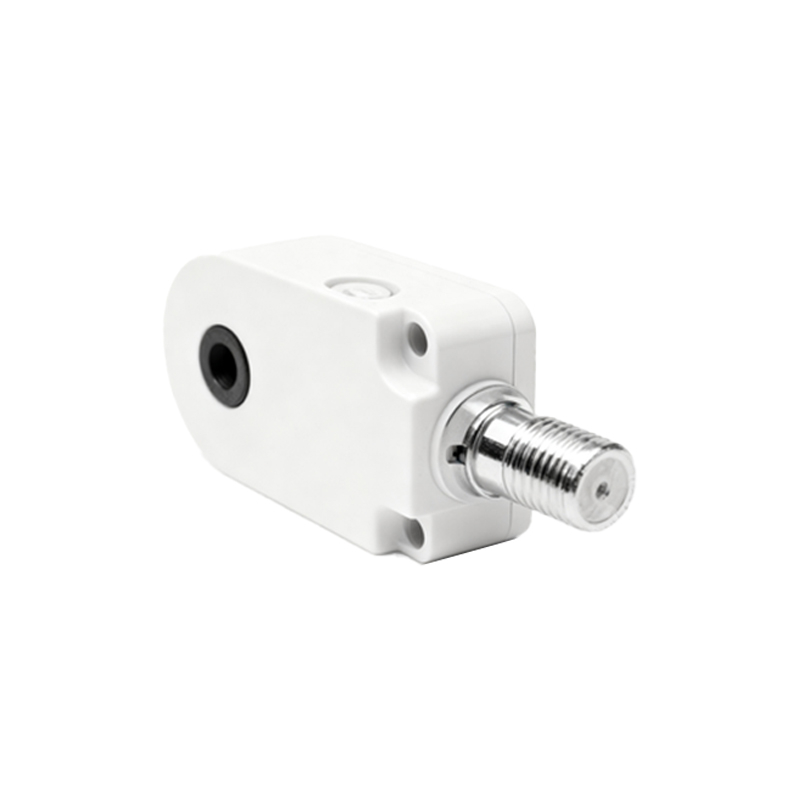
Photoelectric Sensors operate on the principle of light transmission. An emitter sends out a beam of light (visible, infrared, or laser), and a receiver detects it. The presence of an object is sensed by either interrupting this beam (through-beam), reflecting it back to a receiver housed in the same unit (retro-reflective), or diffusing it back (diffuse reflective). Photoelectric sensors offer long sensing ranges and are ideal for detecting small objects, transparent materials, and for use in clean environments.
Ultrasonic Proximity Sensors use sound waves beyond the human hearing range. They emit ultrasonic pulses and measure the time taken for the echo to return. The time-of-flight calculation determines the distance to the target. These sensors are excellent for detecting objects regardless of color, transparency, or material, and are commonly used for distance measurement, level control of bulk solids or liquids, and in challenging environments with dust or vapor.
The applications of proximity sensors are vast and integral to modern industry. They are used for object counting on high-speed conveyors, precise positioning of robotic arms, jam detection in packaging machinery, limit switching in automated doors and elevators, and ensuring safety by monitoring guard door positions. In automotive manufacturing, they verify part presence; in food and beverage, they control filling levels; in electronics, they ensure component placement accuracy.
Selecting the right proximity sensor requires careful consideration of several parameters. First, identify the target material (metal, plastic, liquid) to narrow down the sensor type (inductive, capacitive, etc.). The required sensing distance, or range, is critical and must be chosen with a safety margin, typically 70-80% of the nominal range listed in datasheets. Environmental factors are paramount: consider temperature extremes, potential exposure to chemicals, washdown requirements (IP ratings like IP67 or IP69K), and the presence of electrical noise. The output configuration (PNP/NPN, NO/NC) must be compatible with the controller (PLC). Finally, the physical size and mounting style (threaded barrel, rectangular) must suit the mechanical constraints of the application.
In conclusion, proximity sensors are indispensable eyes of automation. Understanding their distinct technologies—inductive, capacitive, photoelectric, and ultrasonic—allows engineers and technicians to make informed decisions. By meticulously evaluating the target, environment, range, and electrical requirements, one can select a sensor that ensures reliable, maintenance-free operation, thereby optimizing productivity and safeguarding processes in an increasingly automated world.