In the rapidly evolving landscape of industrial automation and smart manufacturing, intelligent proximity sensors have become indispensable components. These devices go beyond simple detection, integrating processing capabilities, communication protocols, and diagnostic functions to provide actionable data. This article presents a comprehensive 2024 ranking and technical analysis of the top intelligent proximity sensors, based on performance metrics, innovation, reliability, and integration capabilities within Industry 4.0 frameworks.
Leading the list is the Sick IME12-08BPSZC0S. This inductive sensor sets a high benchmark with its IO-Link interface, enabling detailed parameterization and condition monitoring. Its robust metal housing (IP67/IP69K) withstands harsh environments, while its intelligent features like switch point monitoring and temperature warnings provide predictive maintenance data, minimizing unplanned downtime.
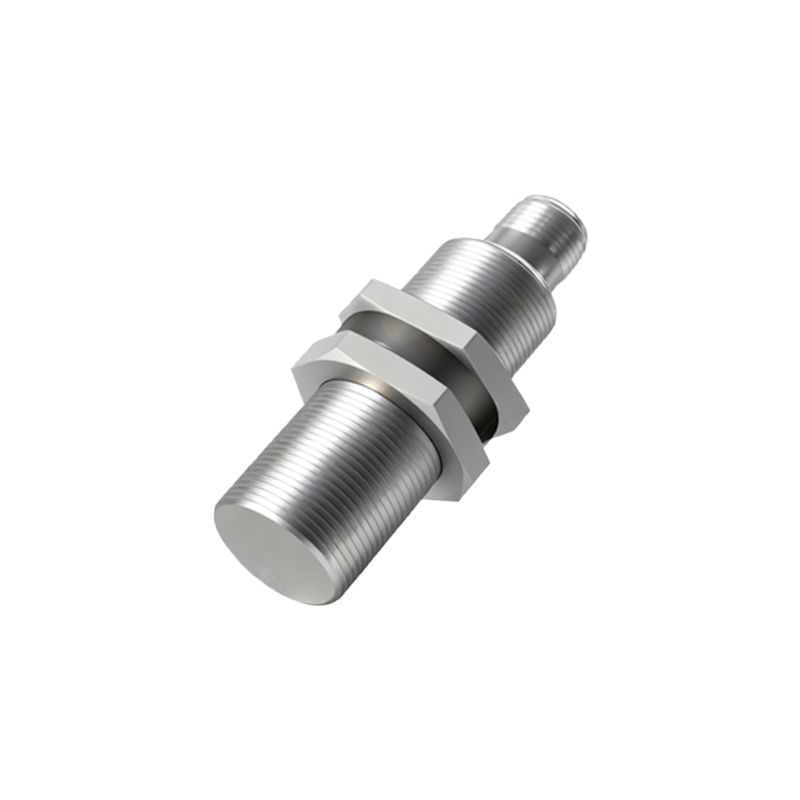
In a close second is the Balluff BOS 18M-S4A-PS3-L-S4. Renowned for its exceptional sensing distance and precision, this sensor incorporates IO-Link 1.1 for seamless integration into digital twins and cloud systems. Its multi-functional capability allows it to handle tasks from standard presence detection to measuring object properties like conductivity, making it a versatile choice for complex assembly lines.
The Pepperl+Fuchs UC4000-30GM-IUR2-V15 ranks third, particularly for its ultrasonic technology. It excels in applications requiring detection of various materials, including liquids and transparent objects, where optical or inductive sensors fail. Its intelligence lies in advanced echo processing and teach-in functions via push-button or IO-Link, ensuring reliable operation in dusty or humid conditions.
Fourth place is held by the IFM OJ5009. This capacitive sensor is the go-to solution for level detection of non-metallic materials like plastics, wood, or liquids through container walls. Its IO-Link interface allows for remote adjustment of sensitivity and switching hysteresis, while its robust design and high noise immunity make it ideal for chemical or food processing industries.
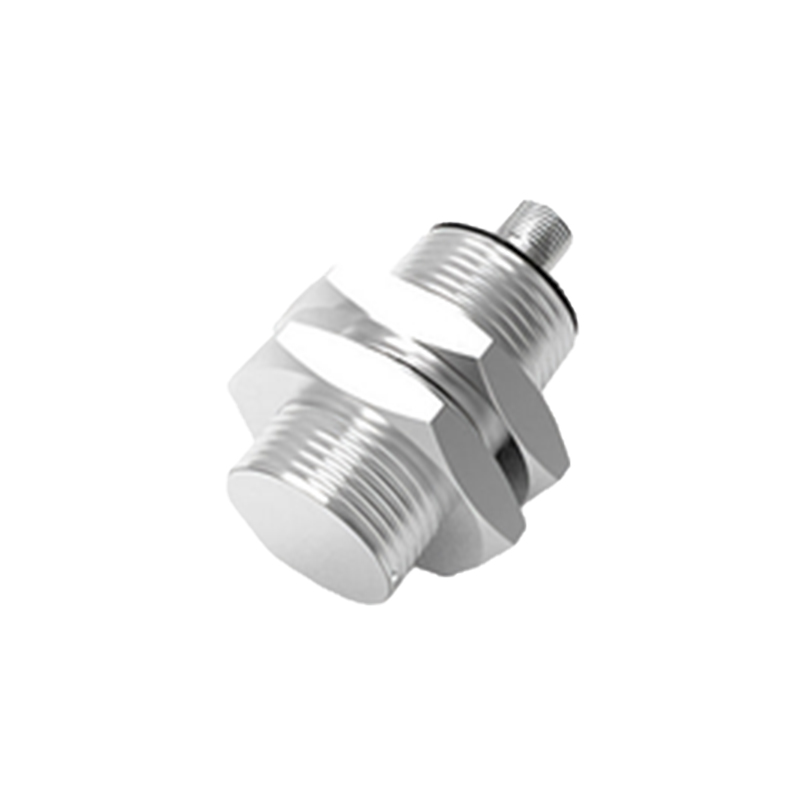
The Omron E2E-X18MF1-M1GJ 0.3M secures the fifth position. This shielded inductive sensor offers an ultra-compact design without compromising on a generous 18mm sensing range. Its embedded intelligence includes advanced diagnostics communicated via IO-Link, such as output current monitoring and overload detection, crucial for high-speed packaging and robotics.
Taking the sixth spot is the Turck Q130. This factor 1 cylindrical sensor is celebrated for its long-range capabilities (up to 130mm for ferrous metals) in a standard housing. It features advanced diagnostics like coil monitoring and a unique "Teach-in" LED that guides setup, reducing commissioning time. Its compatibility with major industrial networks adds to its smart factory readiness.
Seventh is the Banner Q4X laser distance sensor. While not a traditional proximity sensor, its analog and discrete outputs with teachable windows qualify it as an intelligent presence/absence detector. It provides highly accurate measurements up to 250mm, immune to color or surface variations, perfect for precise positioning and small part inspection in electronics manufacturing.
The Keyence EX-20V series ranks eighth for its revolutionary vibration-based detection principle. It can detect minute vibrations in objects like nozzles or motors, predicting failures before they occur. This predictive maintenance intelligence, combined with a simple setup and robust communication options, makes it unique for monitoring rotating equipment.
In ninth place is the Rockwell Allen-Bradley 871TM. Designed for seamless integration with Rockwell's ecosystem, this inductive sensor offers top-tier durability and performance. Its intelligence is channeled through embedded diagnostics that can be accessed via the controller, simplifying troubleshooting and asset management in large-scale automation projects.
Finally, the Siemens 3RG series rounds out the top ten. These sensors are pillars of the Totally Integrated Automation (TIA) portal. Their strength lies in deep digital integration, allowing for centralized configuration, monitoring, and data analysis within the Siemens ecosystem. They offer a wide range of types (inductive, capacitive, ultrasonic) with consistent, smart communication protocols.
The evolution of these sensors underscores a clear industry trend: intelligence is no longer a premium feature but a standard expectation. The defining factors now are the richness of data provided, the ease of integration into IIoT platforms, and the robustness of predictive diagnostics. When selecting an intelligent proximity sensor, engineers must evaluate not just the sensing technology, but the digital ecosystem it enables, ensuring it contributes to a transparent, efficient, and resilient production environment.