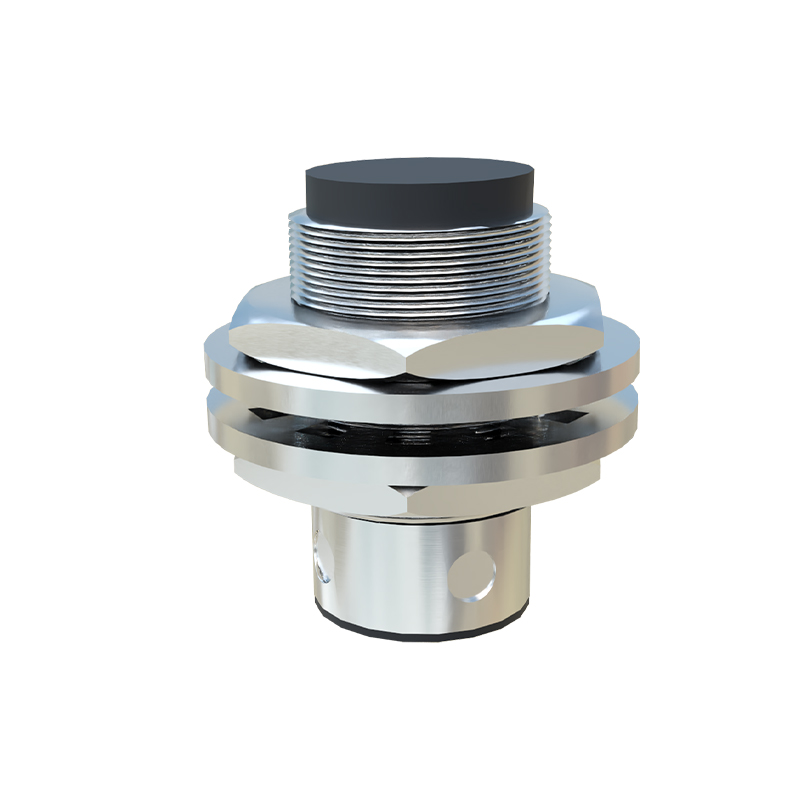
In the realm of industrial automation and machinery design, the strategic placement of proximity sensors is paramount for ensuring operational efficiency, safety, and reliability. Proximity sensor layout design images serve as critical visual tools, guiding engineers and technicians in optimizing sensor positioning to detect objects without physical contact. These designs are integral across various sectors, including automotive manufacturing, packaging lines, robotic systems, and material handling.
A well-executed layout design begins with understanding the sensor type—inductive, capacitive, ultrasonic, or photoelectric—each suited for specific materials and environmental conditions. Inductive sensors, for instance, are ideal for metallic objects in harsh industrial settings, while capacitive sensors detect non-metallic materials. The layout must account for factors such as sensing range, response time, and environmental interferences like dust, moisture, or electromagnetic noise. Design images typically illustrate sensor mounting angles, distances from target objects, and integration with control systems like PLCs (Programmable Logic Controllers).
Key considerations in creating effective proximity sensor layout designs include minimizing dead zones, ensuring consistent detection, and facilitating easy maintenance. Images often depict multiple sensor arrays in complex machinery, highlighting redundancy for fail-safe operations. For example, in an automated assembly line, sensors might be positioned to monitor part presence, verify positioning, and trigger subsequent processes. Diagrams may show sensors aligned along conveyor belts, within robotic grippers, or near safety gates to prevent accidents.
The use of CAD (Computer-Aided Design) software and simulation tools has revolutionized layout design, allowing for precise visualization and testing before physical implementation. These tools generate detailed images that include electrical wiring schematics, mounting brackets, and interaction with other components like actuators or HMIs (Human-Machine Interfaces). Best practices emphasize aligning sensor layouts with industry standards, such as IEC 60947-5-2, to ensure compliance and interoperability.
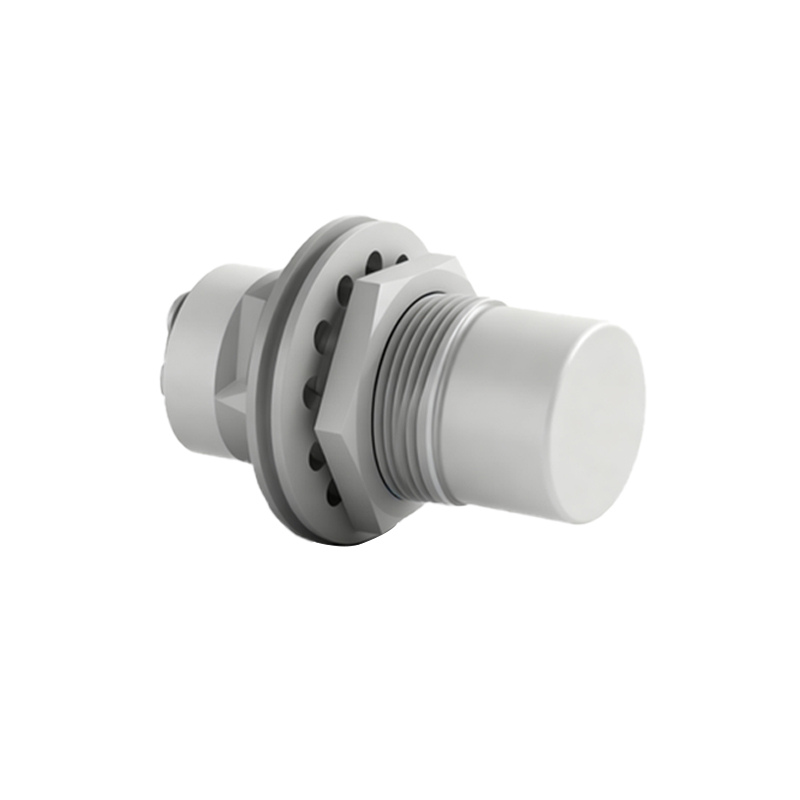
In summary, proximity sensor layout design images are indispensable in modern industrial engineering, bridging theoretical plans with practical installation. They enhance communication among teams, reduce errors during setup, and contribute to streamlined automation processes. By leveraging these visual aids, industries can achieve higher productivity, reduced downtime, and improved safety outcomes, ultimately driving innovation in smart manufacturing environments.