In the world of industrial automation, reliability and precision are non-negotiable. Among the myriad of components that keep modern production lines humming, the M12 3-pin proximity sensor stands out as a fundamental workhorse. This compact, robust device is engineered to detect the presence or absence of metallic objects without physical contact, making it indispensable in countless applications from packaging machinery to robotic assembly cells.
The "M12" designation refers to the standardized 12mm threaded cylindrical housing, a form factor that has become ubiquitous in factory environments. This design offers significant advantages. Its compact size allows for installation in tight spaces, while the threaded barrel ensures a secure, vibration-resistant mount. The IP67 (and often IP69K) rating common to these sensors means they are protected against dust ingress and temporary immersion, allowing them to perform reliably in harsh conditions where coolant, oil, or washdowns are present. The heart of its functionality lies in its sensing technology. Typically, these 3-pin units are inductive sensors, generating an electromagnetic field. When a ferrous metal target enters this field, it causes a change in oscillation, which the sensor's circuitry detects and converts into a clean, digital output signal. This non-contact operation eliminates mechanical wear, granting the sensor a remarkably long service life compared to mechanical limit switches.
The three pins are critical for its operation and integration. They correspond to the standard wiring configuration: Pin 1 (Brown wire) is for the positive supply voltage (typically 10-30V DC), Pin 2 (Blue wire) is for the ground or negative connection, and Pin 3 (Black wire) is the switched output signal. This output is usually in a Normally Open (NO) configuration, meaning the circuit closes and voltage appears on the black wire when a target is detected. This simple, color-coded, 3-wire DC design simplifies installation and troubleshooting, reducing downtime—a key consideration in cost-sensitive production environments.
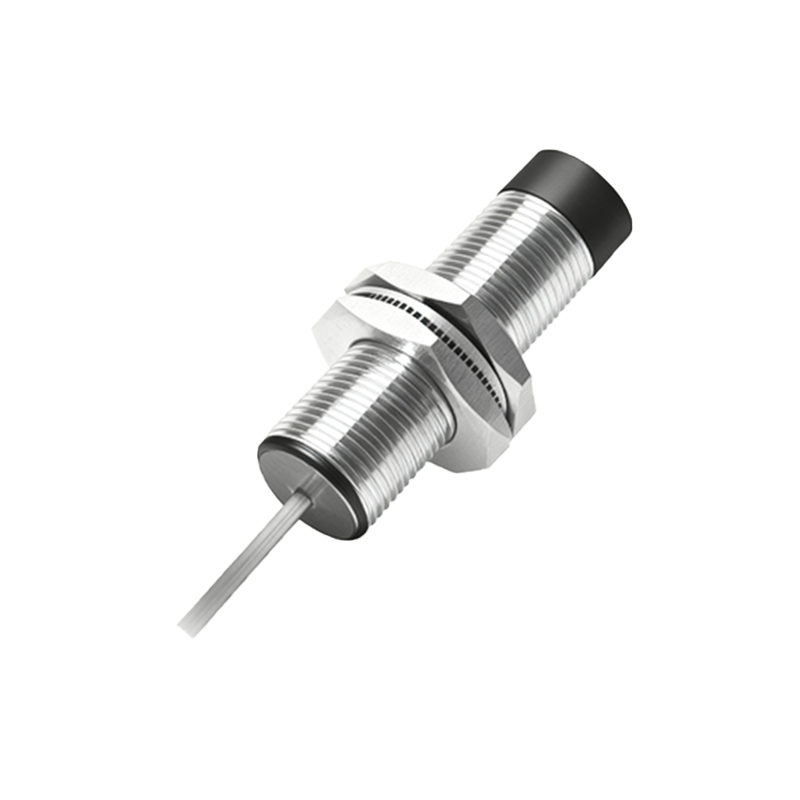
Selecting the right M12 3-pin proximity sensor requires attention to several specifications. Sensing range is paramount; common ranges are 2mm, 4mm, or 8mm, with factors like target material and size affecting performance. The operating voltage range must match the control system's DC supply. Output type is another decision point; while a standard 3-wire DC PNP (sourcing) output is most common, some applications may call for NPN (sinking) variants. Response frequency, indicating how quickly the sensor can detect objects passing by, is vital for high-speed applications. Finally, the housing material, often nickel-plated brass or stainless steel, should be chosen based on the chemical and physical demands of the installation area.
The applications are virtually limitless. They are used for precise position detection of cylinders on pneumatic actuators, part presence verification on conveyor belts, rotary speed monitoring on shafts, and ensuring correct tooling in CNC machines. Their durability makes them perfect for use in material handling equipment that experiences constant shock and vibration. When integrated with a Programmable Logic Controller (PLC), these sensors form the sensory nervous system of an automated line, providing the critical binary data needed for decision-making and process control.
Installation and maintenance are straightforward but require care. Ensuring the correct voltage polarity is crucial to prevent damage. The sensor must be mounted securely, with adequate clearance from surrounding metal to avoid false triggering—a phenomenon known as "shielding." Regular checks for physical damage, buildup of debris on the sensing face, and verification of the output signal with a multimeter or indicator light are part of a sound preventive maintenance routine.
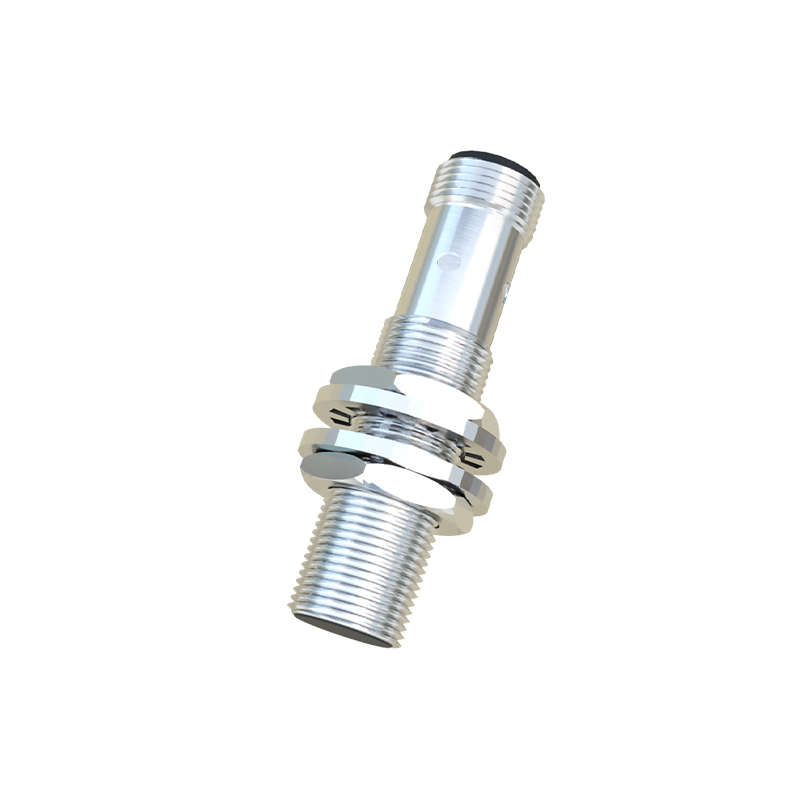
In conclusion, the M12 3-pin proximity sensor is a masterpiece of pragmatic engineering. Its standardized design, environmental resilience, and simple interface have cemented its role as a cornerstone of industrial sensing. By providing a reliable, wear-free method of object detection, it enhances machine safety, optimizes production efficiency, and contributes significantly to the overall robustness of automated systems. For any engineer designing, maintaining, or troubleshooting industrial equipment, a deep understanding of this versatile component is essential.