In the rapidly evolving landscape of industrial automation, Internet of Things (IoT), and smart systems, proximity sensors have become indispensable components. Their ability to detect the presence or absence of objects without physical contact makes them critical for applications ranging from automotive assembly lines and robotic systems to consumer electronics and safety interlocks. For large-scale manufacturing of these sensors, the selection and sourcing of raw materials are paramount, directly influencing performance, reliability, cost, and scalability. This article delves into the essential raw materials that form the backbone of mainstream proximity sensor technologies.
The core functionality of a proximity sensor is defined by its sensing principle. Consequently, the primary raw materials are categorized by technology. Inductive proximity sensors, used for detecting metallic objects, rely heavily on ferromagnetic and conductive materials. The key component is the coil, typically wound from high-purity copper or aluminum wire. The core around which the coil is wound is often made from ferrite or powdered iron, materials chosen for their high magnetic permeability and low eddy current losses. The sensor's housing or face is usually constructed from materials like nickel-plated brass, stainless steel (e.g., 303, 304 grades), or PBT (Polybutylene Terephthalate) plastic, providing durability, environmental sealing (often rated IP67/IP69K), and shielding from electromagnetic interference.
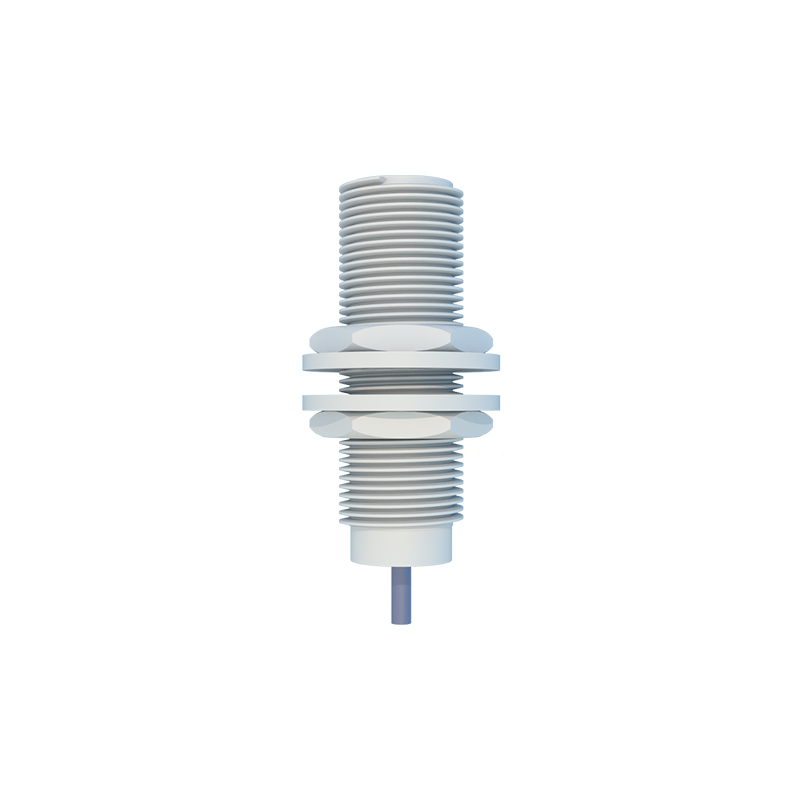
Capacitive proximity sensors, capable of detecting both metallic and non-metallic materials, have a different material focus. The active sensing surface is a critical electrode, commonly fabricated from conductive metals such as copper, brass, or a conductive polymer coating. The oscillator and circuitry within require high-quality substrates. Printed Circuit Boards (PCBs) are fundamental, composed of a substrate like FR-4 (a glass-reinforced epoxy laminate) clad with thin layers of copper for traces. The electronic components soldered onto these PCBs, including microchips, resistors, and capacitors, demand ultra-pure silicon, doped semiconductor materials, precious metals like gold for bonding wires and contacts, and various ceramic or tantalum compounds.
For photoelectric sensors, which use light beams to detect objects, optical-grade materials are essential. The heart of these sensors is the emitter (often an Infrared LED or laser diode) and the receiver (a phototransistor or photodiode). These semiconductor components are fabricated from compound semiconductor materials like Gallium Arsenide (GaAs), Aluminum Gallium Arsenide (AlGaAs), or Indium Gallium Arsenide (InGaAs). The lenses that collimate or focus the light beam are precision-molded from optical plastics (e.g., PMMA - Polymethyl methacrylate, or polycarbonate) or, for high-performance applications, glass such as BK7. The housing must be opaque to prevent stray light interference, often using colored PBT or ABS (Acrylonitrile Butadiene Styrene) plastics with precise molding.
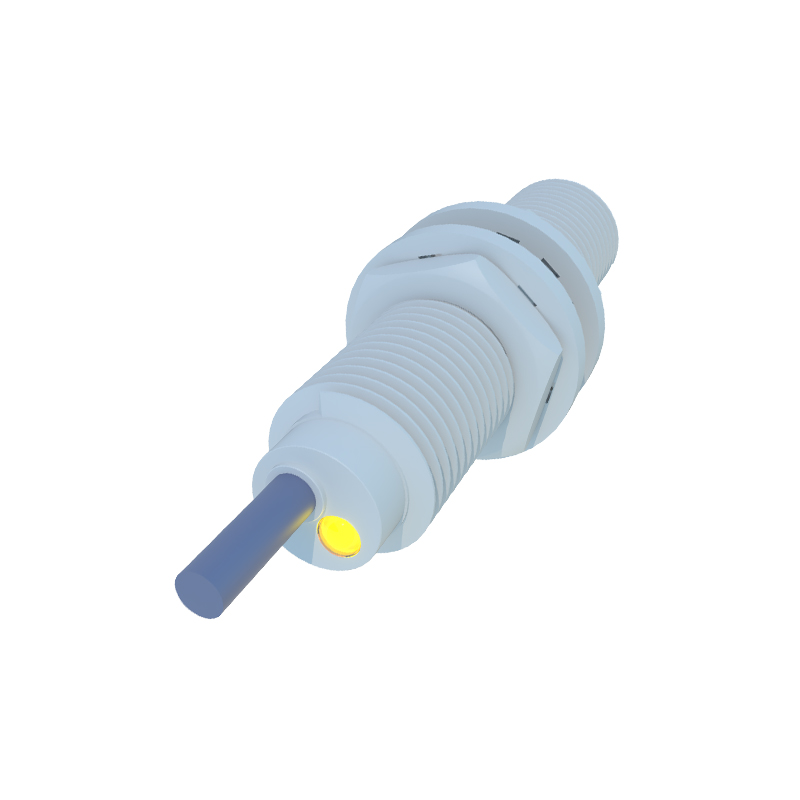
Beyond these technology-specific materials, several universal raw materials are crucial across all proximity sensor types. The integrated circuitry, whether a simple comparator or a complex microcontroller, is built on silicon wafers. The interconnects and packaging within the sensor assembly utilize copper, silver, and tin-based solder alloys. For robust environmental protection, sealing elements made from silicone, fluorocarbon rubber (e.g., Viton), or EPDM rubber are vital. Connectors and pins frequently employ phosphor bronze or brass, plated with gold, nickel, or tin for corrosion resistance and reliable electrical contact.
The shift towards Industry 4.0 and miniaturization is driving material innovation. There is growing use of advanced engineering thermoplastics like PPS (Polyphenylene Sulfide) and LCP (Liquid Crystal Polymer) for housings that can withstand higher temperatures and aggressive chemicals. In the realm of sensing elements, nanomaterials and advanced ceramics are being researched for enhanced sensitivity. Furthermore, the drive for sustainability is pushing manufacturers to evaluate bio-based plastics and lead-free, halogen-free electronic compounds without compromising the stringent performance requirements of industrial environments.
In conclusion, the large-scale production of proximity sensors is a sophisticated symphony of metallurgy, polymer science, and semiconductor technology. From the copper in an inductive coil and the silicon in a photodiode to the engineering plastic in the housing, each raw material is selected to meet exacting standards for electrical performance, mechanical strength, and environmental resilience. A deep understanding of this material ecosystem is essential for engineers designing next-generation sensors and for procurement specialists ensuring a resilient, cost-effective supply chain for global manufacturing.