In the dynamic landscape of industrial automation, proximity sensors stand as fundamental components, enabling non-contact detection of objects with precision and reliability. The growing trend of online procurement for industrial components has made "free shipping" a significant factor in purchasing decisions. This article delves into the world of proximity sensors available with free shipping, exploring their types, applications, and key selection criteria for engineers and procurement specialists.
Proximity sensors are electromechanical devices designed to detect the presence or absence of an object within a specific range without physical contact. They operate on various principles, primarily inductive, capacitive, ultrasonic, and photoelectric. Inductive sensors are the workhorses for detecting metallic objects, generating an electromagnetic field to sense ferrous and non-ferrous metals. Capacitive sensors can detect both metallic and non-metallic materials, including liquids and powders, by measuring changes in capacitance. Ultrasonic sensors use sound waves for detection, ideal for longer ranges and challenging environments, while photoelectric sensors utilize light beams, offering high precision for diverse materials.
The availability of these sensors with free shipping from reputable distributors and manufacturers has revolutionized inventory management and project budgeting. For maintenance teams requiring a quick replacement to minimize downtime, or for project engineers sourcing components for a new assembly line, free shipping reduces overall costs and simplifies logistics. Major industrial suppliers and specialized online platforms now frequently offer this benefit on bulk orders or as a standard policy for a wide range of sensor models, from standard cylindrical housings to more specialized rectangular or ring-shaped designs.
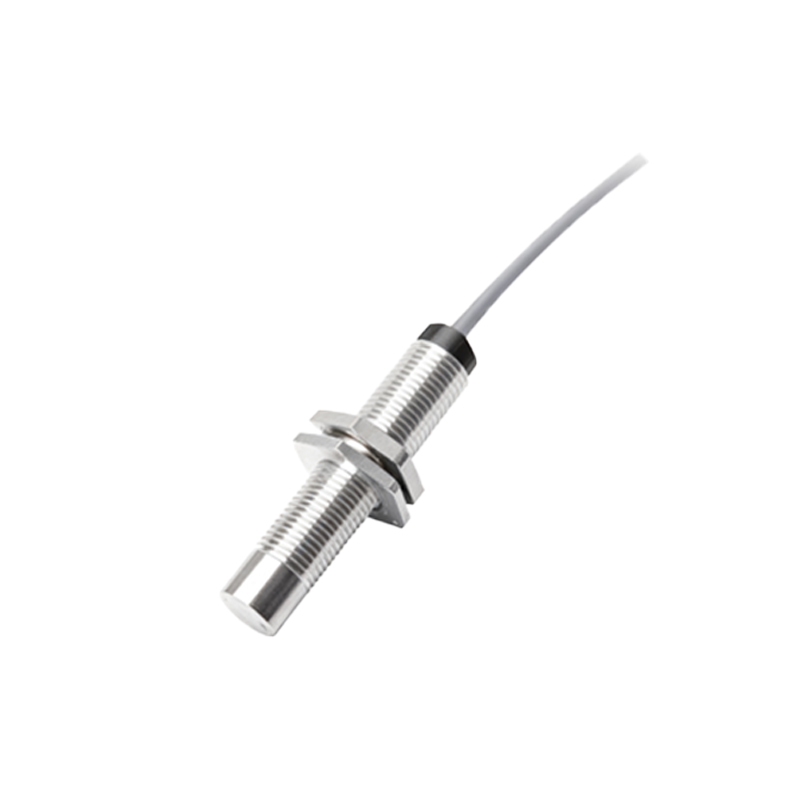
When selecting a proximity sensor with free shipping, technical specifications must remain the primary focus. Key parameters include sensing range, which varies from a few millimeters to several meters depending on the type; output configuration (PNP/NPN, NO/NC); housing material (typically nickel-plated brass, stainless steel, or PBT plastic for chemical resistance); and environmental ratings such as IP67 or IP69K for protection against dust and water ingress. The operating voltage, typically 10-30V DC, and response frequency are also critical for high-speed applications.
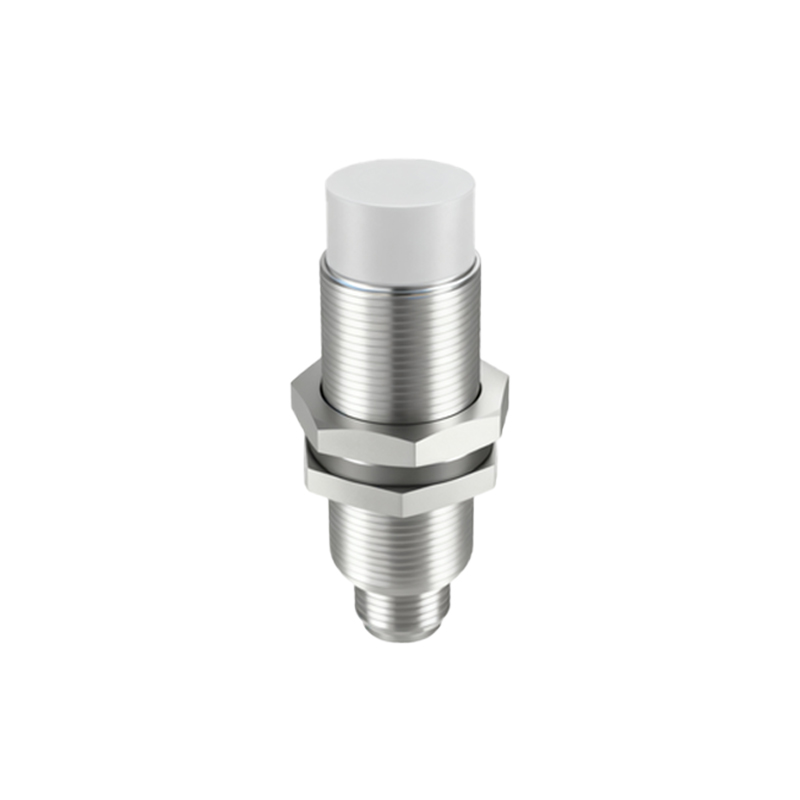
Integration into control systems is straightforward, with most sensors featuring standard M8, M12, or M18 quick-disconnect connectors compatible with PLCs (Programmable Logic Controllers). The long operational life, often in the millions of cycles, and minimal maintenance requirements make them a cost-effective solution. Applications are vast, spanning automotive manufacturing for part presence verification, packaging lines for counting and positioning, material handling for pallet detection, and machine safety for monitoring guard positions.
While the "free shipping" offer is attractive, it is crucial to source sensors from verified suppliers to guarantee authenticity, warranty coverage, and technical support. Counterfeit or substandard components can lead to system failures and safety hazards. Reputable suppliers provide detailed datasheets, CAD models for design integration, and compliance certificates (e.g., CE, UL). Engineers should compare not just the unit price but the total cost of ownership, factoring in shipping, potential duties, and the supplier's reliability.
In conclusion, the combination of advanced proximity sensing technology and the logistical advantage of free shipping presents a powerful value proposition for the modern industrial sector. By carefully evaluating technical needs against supplier offerings, professionals can ensure robust, efficient, and cost-optimized automation systems. The market continues to evolve with smarter sensors featuring IO-Link connectivity for diagnostics and parameter setting, further enhancing their role in Industry 4.0 environments.