Laser sensors are critical components in modern industrial automation, offering high precision for tasks like object detection, distance measurement, and positioning. A "no signal" condition is a common yet disruptive fault that can halt production lines and compromise system integrity. This article delves into the root causes, systematic diagnostic procedures, and effective solutions for resolving this issue, presented from an engineering perspective.
The absence of a signal from a laser sensor can manifest in various ways on a controller or PLC: a complete lack of output, an inconsistent or flickering signal, or a signal that remains static regardless of target presence. The first step in troubleshooting is to differentiate between a complete system failure and a conditional one. Begin with a visual inspection. Check for obvious physical damage to the sensor housing, lens, or cable. Ensure the sensor is securely mounted and that its alignment has not shifted due to vibration or impact. A misaligned sensor may not be projecting its laser beam onto the intended target area or receiving the reflected light correctly.
Power supply problems are a primary suspect. Verify that the sensor is receiving the correct voltage and current as specified in its datasheet. Use a multimeter to measure the voltage at the sensor's terminals. Even a slight undervoltage can prevent proper operation. Additionally, check for electrical noise or interference, especially in environments with variable frequency drives (VFDs), large motors, or welding equipment. Improper grounding or shielded cabling can lead to signal corruption that mimics a "no signal" state. Ensure the sensor, its cable shield (if present), and the controller share a common, robust ground point.
The target characteristics themselves are often overlooked. The sensor's operating range, minimum object size, and material reflectivity must be compatible with the application. A highly absorbent (dark, matte) surface or a transparent object may not reflect sufficient light back to the receiver. Conversely, a highly reflective or glossy surface can cause saturation or multiple reflections, confusing the sensor's internal logic. Adjusting the sensor's sensitivity potentiometer or, in programmable models, reconfiguring the detection threshold and response time can often resolve these target-related issues.

Environmental factors pose significant challenges. Contamination is a major culprit. Dust, oil, coolant, or condensation on the sensor's lens will attenuate both the emitted laser beam and the returning signal. Regularly clean the lens with appropriate, non-abrasive materials. Ambient light interference, particularly from strong direct sunlight or other high-intensity light sources with similar wavelengths, can overwhelm the sensor's receiver. Using sensors with modulated laser light (which ignores constant ambient light) or installing physical shrouds can mitigate this. Extreme temperatures can also push the sensor beyond its specified operating range, causing internal component failure or erratic behavior.
Internal sensor failure, while less common, is a possibility. If all external factors—power, alignment, target, and environment—have been systematically eliminated, the sensor itself may be faulty. Indicators include visible damage to internal components, a complete lack of status indicator LED activity (if equipped), or failure to pass a basic bench test with a known-good target in a controlled setting. In such cases, consultation with the manufacturer's technical support is advised, as some failures may be repairable, while others necessitate replacement.
A structured diagnostic approach is key. Start with the simplest checks: power and connections. Proceed to inspect the installation and environment. Then, evaluate the target interaction. Finally, consider the sensor's internal health. Documenting each step and its outcome is crucial for pattern recognition in recurring problems and for effective communication with support teams.
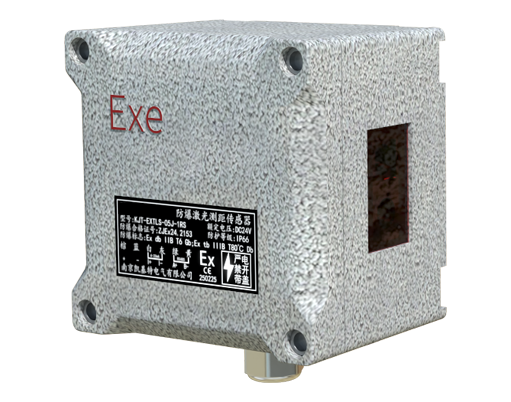
Preventive maintenance is the best defense against unexpected "no signal" events. Establish a schedule for cleaning lenses, verifying alignment, checking cable integrity, and confirming power quality. Keeping a log of sensor performance and environmental conditions can help predict failures before they cause downtime. Understanding the principles behind laser sensing—time-of-flight, triangulation, or diffuse reflection—equips engineers to not only fix problems but also to design more robust and fault-tolerant systems from the outset.