In the realm of industrial automation and control systems, inductive proximity sensors are indispensable workhorses. Their ability to detect metallic objects without physical contact makes them crucial for tasks ranging from simple part presence verification to complex positioning and counting in high-speed machinery. However, with a vast array of models, specifications, and features available, selecting the optimal sensor for a specific application can be a daunting task. This guide provides a structured approach to inductive proximity sensor selection, focusing on key technical parameters and environmental considerations to ensure reliable and long-lasting performance.
The first and most critical step is defining the application requirements. What type of metal needs to be detected? Standard mild steel (Fe360) is the reference material, but sensors behave differently with stainless steel, aluminum, copper, or brass. The sensing distance specified for mild steel is typically reduced for non-ferrous metals; this reduction factor, provided in datasheets, must be accounted for. Next, determine the required nominal sensing distance (Sn). This is the theoretical operating distance under standardized conditions. The actual installed sensing distance (Sr) should be 60-80% of Sn to compensate for supply voltage fluctuations, temperature variations, and manufacturing tolerances, ensuring a reliable operating margin.
The physical characteristics of the target are equally important. The sensor's effective sensing distance is influenced by the target's size, shape, and approach direction. As a rule, the target should be at least equivalent to the sensor's active face diameter for standard sensing. For smaller targets, a factor correction is necessary. The target approach—axial (head-on), lateral, or from the side for shielded models—also affects performance and must be considered during mechanical design.
Choosing the correct housing style and size is fundamental for integration. Cylindrical sensors (e.g., M8, M12, M18, M30 threads) are common for general-purpose mounting in drilled holes. Rectangular or block-style sensors offer different mounting flexibility. The housing material, typically nickel-plated brass, stainless steel, or PBT plastic, must be selected based on the environment. Harsh conditions with coolants, oils, or chemical exposure demand sensors with high IP (Ingress Protection) ratings, such as IP67 or IP69K. For welding environments, sensors with special weld-field immunity and protective shrouds are essential to resist spatter and electromagnetic interference.
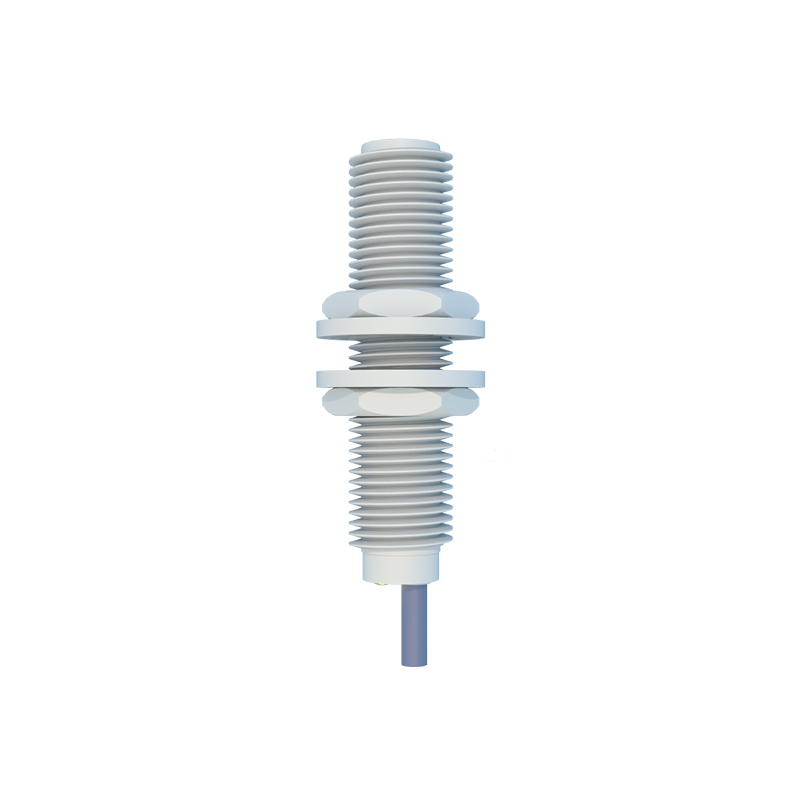
Electrical specifications dictate the sensor's interface with the control system. First, decide between AC, DC, or AC/DC universal voltage models based on your plant's standard. DC sensors (commonly 10-30V DC) are prevalent in modern systems. Next, select the output type: NPN (sinking) or PNP (sourcing). This choice must align with the input card of your PLC or controller. NPN is often used in Asia, while PNP is common in Europe and North America; verifying compatibility is crucial. The output configuration—normally open (NO) or normally closed (NC)—defines the switching logic in the absence of a target. Consider if a short-circuit protected, overload protected, or reverse polarity protected output is needed for enhanced system safety.
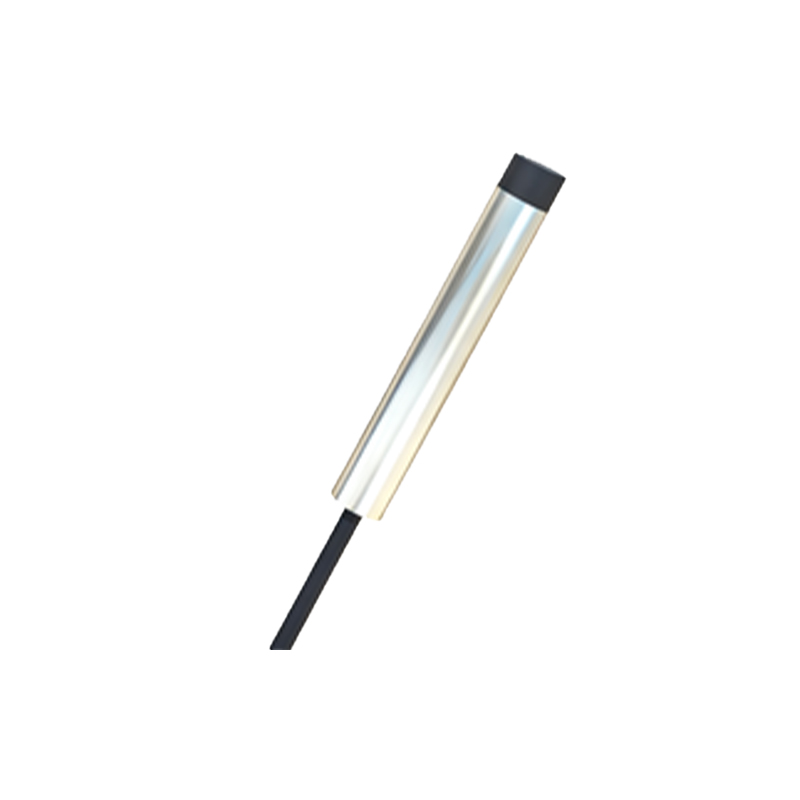
For demanding applications, special features may be required. Analog output sensors (e.g., 4-20mA, 0-10V) provide a continuous signal proportional to the distance to the target, useful for positioning. Factor 1 sensors offer the same sensing distance for all metals, simplifying selection for mixed-material lines. High-temperature sensors are built to withstand ambient temperatures exceeding standard limits (usually 70°C). Sensors with IO-Link digital communication provide advanced diagnostics, parameter setting, and process data integration into Industry 4.0 architectures.
Finally, never overlook the installation environment. Ambient temperature ranges, presence of strong magnetic fields, mechanical vibrations, and shock can all impact sensor life. Ensure the sensor's rated operating temperature encompasses all expected conditions. In electrically noisy environments, using sensors with robust EMI/RFI immunity and shielded cables is recommended. Proper mounting, using the correct torque on threaded bodies and ensuring a stable fixture, prevents premature failure from vibration.
In conclusion, a methodical selection process that rigorously evaluates the target material, required sensing distance, environmental conditions, electrical interface, and any need for special functions will lead to the correct inductive proximity sensor choice. Consulting detailed manufacturer datasheets and, when in doubt, engaging with application engineers from reputable sensor suppliers, can prevent costly downtime and ensure your automation system operates at peak efficiency. The right sensor is not just a component; it is a guarantor of process reliability.