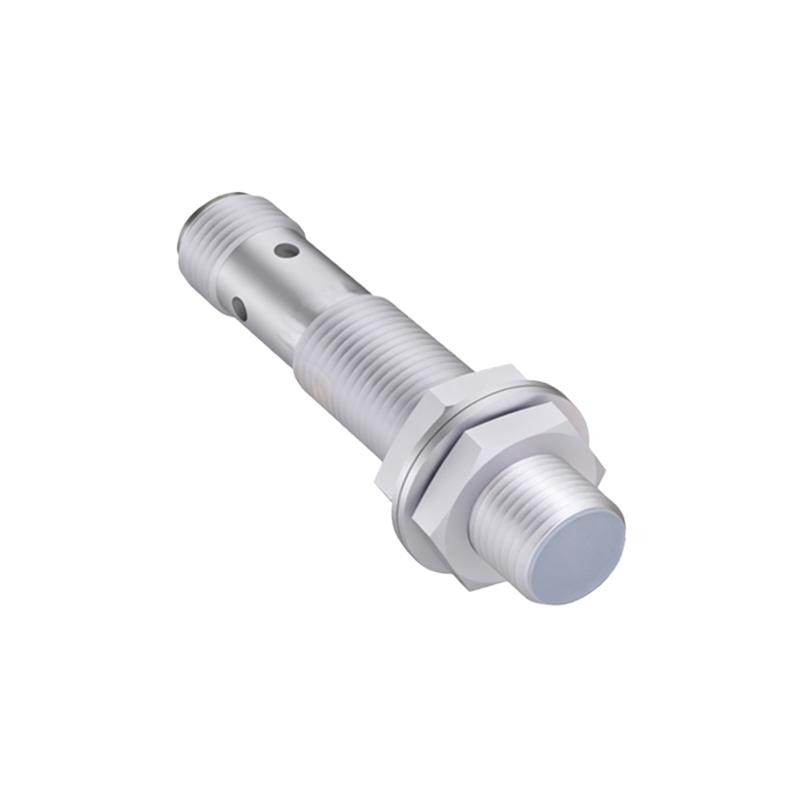
In the realm of industrial automation and consumer electronics, proximity light sensors have become integral components, enabling touchless control, object detection, and energy-saving functionalities. A common query among engineers and users alike is: "Can proximity light sensors be turned off?" The answer is nuanced, depending on the sensor type, application, and system design.
Proximity light sensors, typically based on infrared (IR) or laser technologies, operate by emitting light and measuring reflections to detect nearby objects. They are often designed for continuous operation in safety-critical systems, such as automatic doors or machinery guards, where disabling them could pose risks. In such cases, these sensors are hardwired to remain active, and turning them off might require physical disconnection or system shutdown, which is not recommended during normal operation.
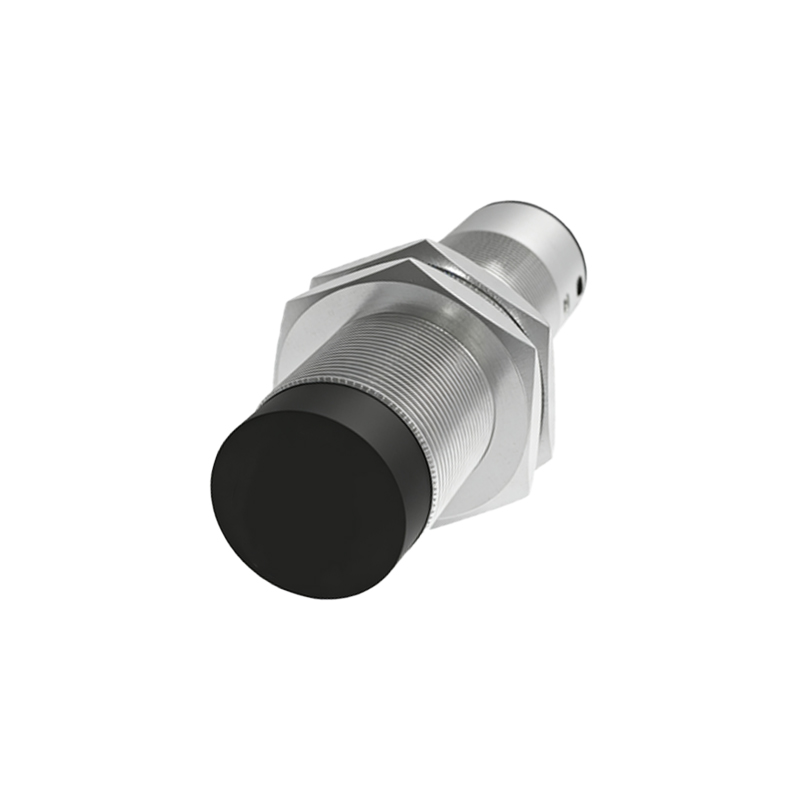
However, in many applications, proximity sensors can be deactivated through software or hardware controls. For instance, in smartphones, proximity sensors are used to disable the touchscreen during calls to prevent accidental inputs. Here, the sensor can be turned off via software settings or when the device is in sleep mode, conserving battery life. Similarly, in smart lighting systems, sensors may include manual override switches or programmable timers to disable detection temporarily, allowing users to maintain constant illumination without motion triggers.
From an engineering perspective, the ability to turn off a proximity light sensor hinges on its circuit design. Sensors with microcontroller interfaces often support software commands to enter low-power or standby modes, effectively halting light emission while retaining basic functionality. In contrast, simpler passive sensors might lack this feature, requiring external relays or power cuts for deactivation. It's crucial to consult the sensor's datasheet and manufacturer guidelines, as improper shutdown can lead to calibration loss, increased error rates, or hardware damage.
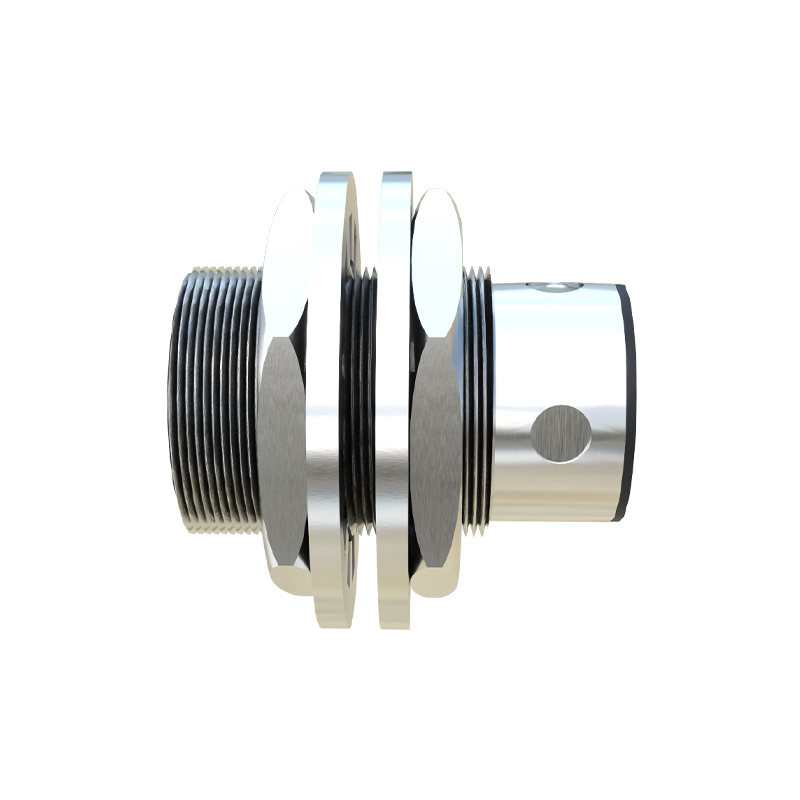
In industrial settings, proximity sensors are frequently integrated into larger control systems, such as PLCs (Programmable Logic Controllers) or IoT networks. Here, they can be disabled remotely through HMI (Human-Machine Interface) panels or automation software, but this is usually restricted to maintenance modes to avoid disrupting production lines. Safety standards, like ISO 13849 for machinery, often mandate redundant sensors or fail-safes, meaning that turning off a single sensor might trigger alarms or shutdown sequences to prevent hazards.
Energy efficiency is another factor driving the need for sensor control. In building automation, proximity sensors in lighting or HVAC systems can be scheduled to turn off during off-hours, reducing power consumption. Advanced sensors with adaptive algorithms may automatically enter sleep modes when no activity is detected, blending continuous operation with periodic deactivation.
Ultimately, while proximity light sensors can often be turned off, doing so requires careful consideration of safety, functionality, and system integrity. Engineers should prioritize built-in control options and adhere to operational protocols to ensure reliability. For end-users, understanding the specific context—whether in a phone, a smart home device, or industrial equipment—is key to managing sensor behavior effectively without compromising performance or safety.