In the rapidly evolving landscape of industrial automation, miniature proximity sensors have become indispensable components. These compact devices, capable of detecting the presence or absence of objects without physical contact, are critical for enhancing efficiency, ensuring safety, and enabling precision in manufacturing, packaging, robotics, and automotive applications. Selecting a reliable supplier for these sensors is not merely a procurement decision; it is a strategic choice that impacts production continuity, product quality, and long-term operational costs. This article delves into the key considerations for choosing a miniature proximity sensor supplier, highlighting industry best practices and essential evaluation criteria.
First and foremost, technical expertise and product portfolio depth are paramount. A premier supplier should offer a comprehensive range of miniature proximity sensors, including inductive, capacitive, and magnetic types, to cater to diverse detection needs. Inductive sensors are ideal for detecting metallic objects, capacitive sensors can handle non-metallic materials like plastics or liquids, and magnetic sensors are suited for sensing permanent magnets. The supplier’s ability to provide sensors with various sensing ranges, housing materials (such as stainless steel or PBT plastic), output configurations (PNP/NPN, analog, IO-Link), and form factors (tubular, rectangular, ring-shaped) is crucial. Furthermore, suppliers that invest in research and development often lead in innovations like enhanced noise immunity, extended temperature tolerance (-25°C to 85°C or beyond), and miniaturization without sacrificing performance. Evaluating a supplier’s technical documentation, application notes, and willingness to provide engineering support for complex integration challenges is a strong indicator of their competence.
Quality assurance and manufacturing standards form the backbone of a trustworthy supplier. In industrial environments, sensors face harsh conditions—exposure to dust, moisture, vibration, and electromagnetic interference. Therefore, suppliers must adhere to international quality standards such as ISO 9001 and produce sensors with certifications like IP67, IP69K, or IECEx for hazardous areas. Consistent product reliability, backed by rigorous testing protocols (including lifespan, shock, and vibration tests), minimizes downtime and maintenance costs. It is advisable to inquire about the supplier’s production processes, quality control checkpoints, and traceability systems. Suppliers with in-house manufacturing capabilities typically maintain better control over quality and supply chain resilience compared to those relying solely on third-party OEM products.
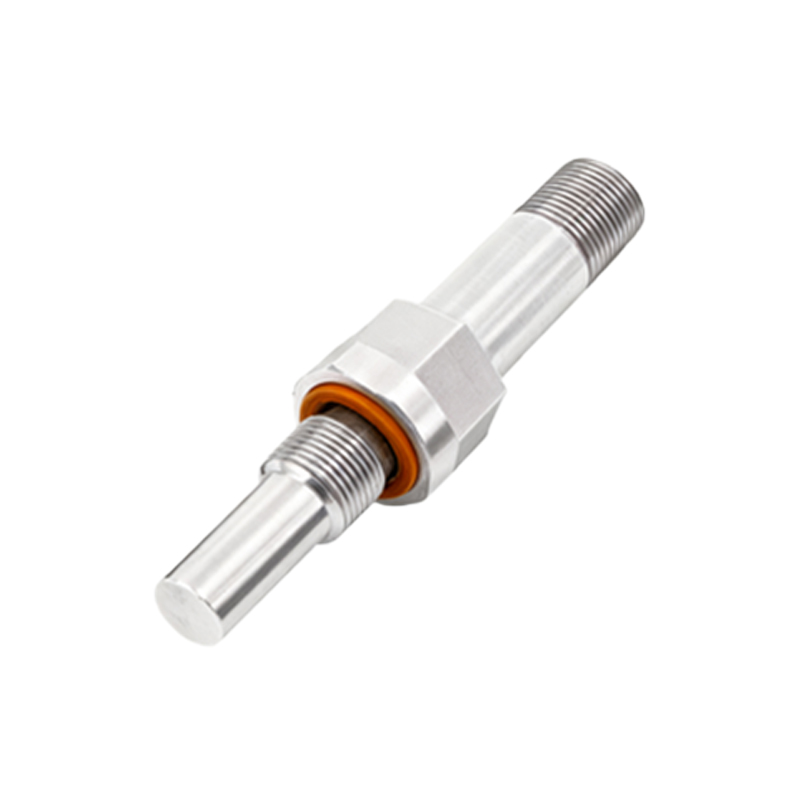
Another critical factor is the supplier’s global logistics network and supply chain stability. In today’s interconnected market, delays in component delivery can halt entire production lines. A supplier with a robust distribution network, regional warehouses, and efficient order fulfillment systems ensures timely delivery and reduces lead times. Additionally, assess their inventory management practices—do they maintain adequate stock of popular models? Can they handle urgent requests or provide substitute recommendations during shortages? Suppliers that demonstrate transparency in their supply chain and have contingency plans for disruptions offer greater reliability. Evaluating their performance history through customer references or industry reviews can provide insights into their delivery consistency and responsiveness.
Cost-effectiveness is always a consideration, but it should be evaluated holistically. The lowest upfront price does not necessarily translate to the lowest total cost of ownership. Consider factors like energy efficiency (low power consumption sensors reduce operational costs), durability (longer lifespan reduces replacement frequency), and compatibility with existing systems (easy integration saves on installation and programming time). Some suppliers offer value-added services such as custom sensor design, labeling, cable assembly, or comprehensive technical training for your maintenance team. These services, while potentially increasing initial costs, can yield significant long-term savings and operational advantages. Request detailed quotations that break down not only unit prices but also potential lifecycle costs.
Finally, the supplier’s customer service and post-sales support are decisive elements. A responsive technical support team that can assist with installation, troubleshooting, and optimization is invaluable. Check if they provide online resources like configuration tools, CAD models, and firmware updates. Warranty terms (typically 1-3 years) and the availability of repair or calibration services also reflect the supplier’s confidence in their products and commitment to customer satisfaction. Establishing a partnership with a supplier who views your success as mutual fosters collaboration for future projects and technological upgrades.
In conclusion, selecting the right miniature proximity sensor supplier requires a balanced assessment of technical capability, quality assurance, supply chain reliability, total cost of ownership, and support services. By prioritizing these criteria, engineers and procurement professionals can secure a partnership that not only meets immediate sensor needs but also supports sustainable growth and innovation in their automation endeavors. The ideal supplier acts as an extension of your engineering team, providing solutions that enhance system robustness and drive competitive advantage in the market.