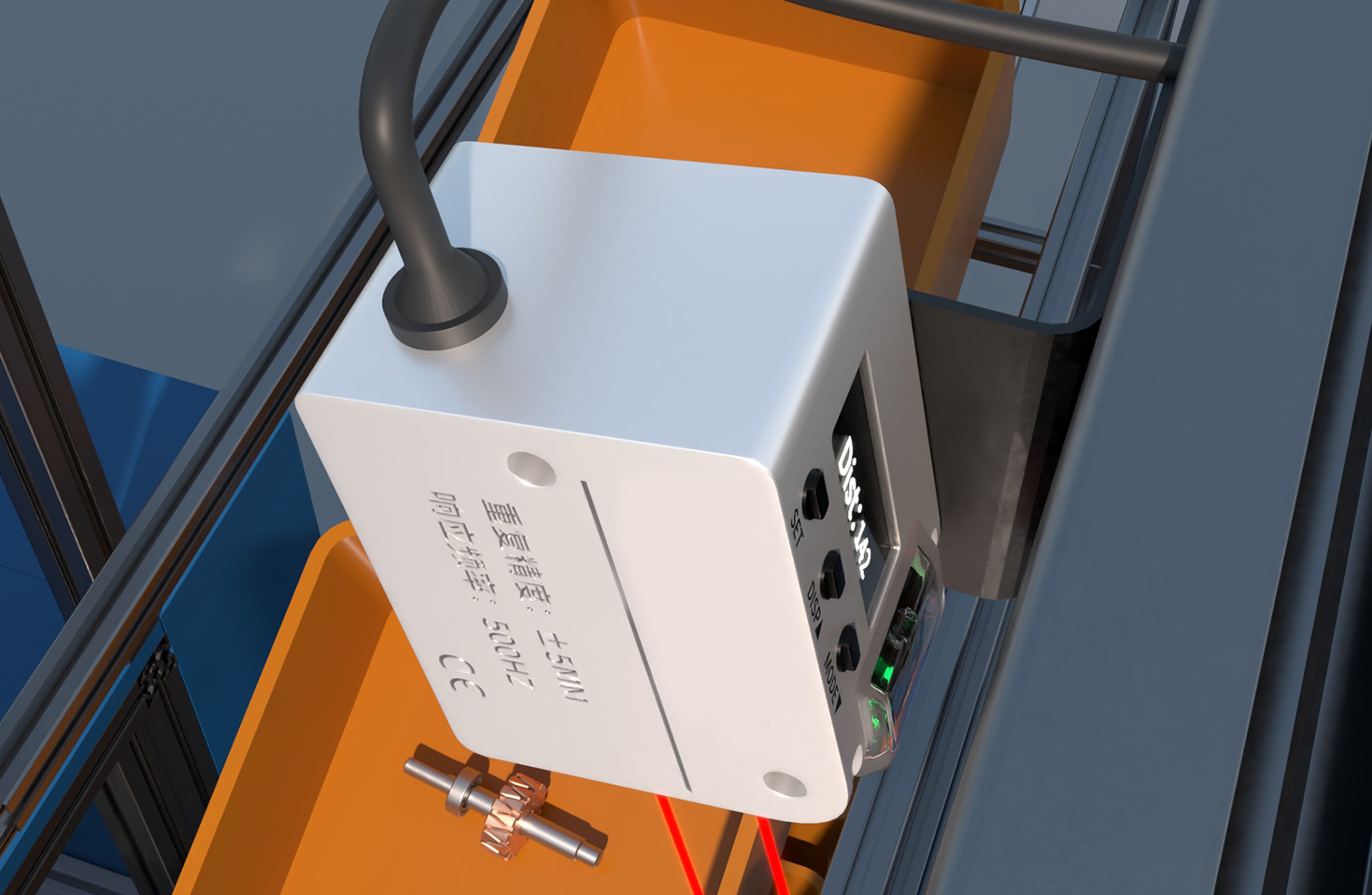
Laser diameter sensors are pivotal instruments in modern industrial automation, offering non-contact, high-precision measurement of wire, cable, fiber, and other cylindrical product diameters. Utilizing laser scanning technology, these sensors emit a focused laser beam that sweeps across the target object. A high-speed receiver on the opposite side detects the beam's interruption, and sophisticated onboard electronics calculate the shadow length, which directly corresponds to the object's diameter. This method ensures exceptional accuracy, often within micrometer ranges, and is unaffected by material color, surface texture, or ambient light under optimal conditions, making it superior to traditional contact methods like micrometers or roller gauges that can cause deformation or wear.
The core advantages of laser diameter sensors lie in their speed and reliability. Capable of taking thousands of measurements per second, they provide real-time, continuous data crucial for process control in extrusion lines for plastics or wires, drawing processes for metals, and coating applications. This instantaneous feedback allows for closed-loop control systems, automatically adjusting machinery like extruders or capstans to maintain diameter within tight tolerances, thereby minimizing material waste and ensuring consistent product quality. Industries such as automotive (for wiring harnesses), telecommunications (fiber optics), and medical device manufacturing rely heavily on this consistency.
When selecting a laser diameter sensor, engineers must consider several key parameters. Measurement range defines the minimum and maximum diameters the sensor can accurately assess. Resolution indicates the smallest detectable change in diameter. Linearity error reflects the sensor's accuracy across its entire range. Furthermore, environmental factors are critical; robust sensors with high IP ratings are necessary for harsh environments with dust, coolant, or vibration. Integration is another vital aspect, as modern sensors offer digital interfaces (Ethernet/IP, PROFINET, Modbus TCP) and analog outputs (0-10V, 4-20mA) for seamless connection to PLCs and SCADA systems, enabling comprehensive data logging and analysis.
Installation and calibration are fundamental to performance. Sensors must be aligned precisely perpendicular to the product's travel path to avoid cosine error. Regular maintenance, primarily keeping the laser window clean from dust or debris, is essential. Advanced models feature automatic contamination monitoring, alerting operators when cleaning is required. It's also important to understand limitations; transparent, highly reflective, or steam-covered materials may pose challenges, sometimes requiring specialized models or complementary sensor technologies.

Looking forward, the integration of Industry 4.0 principles is shaping the next generation of laser diameter sensors. Embedded intelligence allows for predictive analytics, where sensors not only measure but also analyze trends to predict process deviations before they exceed limits. Wireless connectivity and cloud-based data management facilitate remote monitoring and system optimization. As manufacturing demands for higher precision, efficiency, and traceability grow, laser diameter sensors will continue to evolve as indispensable tools for quality assurance and operational excellence in the electrical, wire & cable, and broader precision manufacturing sectors.