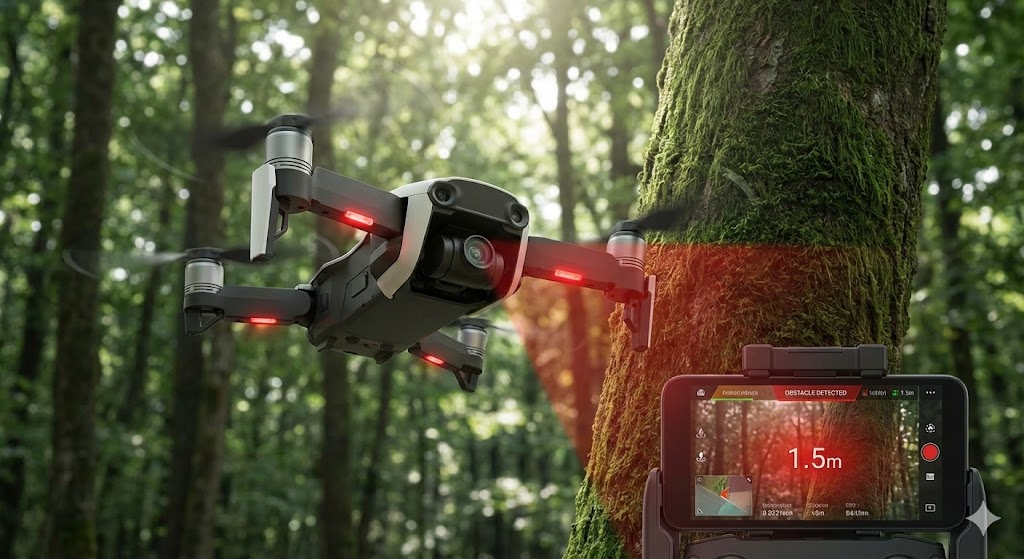
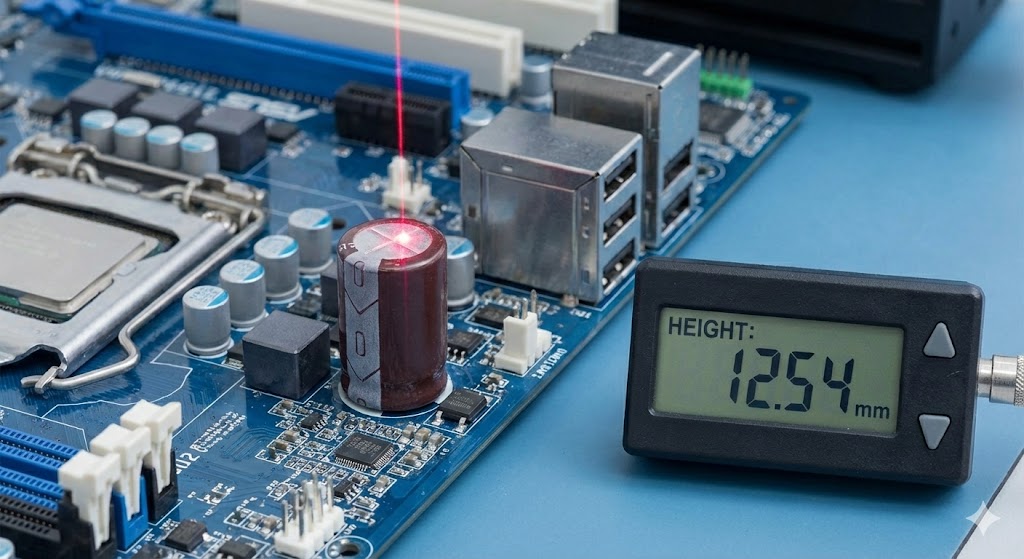
In the realm of industrial automation and precision measurement, laser length sensors have become indispensable tools. Their ability to deliver non-contact, high-accuracy measurements at high speeds makes them vital for quality control, robotics, and process monitoring. However, a common question from engineers and procurement specialists is: "What determines the price of a laser length sensor?" The cost is not a single figure but a spectrum influenced by a confluence of technical specifications, performance requirements, and brand value.
At the core of the pricing structure lies the fundamental principle of performance. The primary cost driver is measurement accuracy and resolution. A sensor capable of micron or even sub-micron resolution employs higher-grade optical components, such as precision lenses and stable laser diodes, and more sophisticated signal processing electronics. This directly translates to a higher price point compared to sensors designed for millimeter-level accuracy common in simpler positioning tasks. Similarly, measurement range plays a critical role. A sensor with a long stand-off distance and a large measurement range requires more complex optical design to maintain a small spot size and linearity over the entire field, increasing manufacturing costs.
The measurement rate or sampling speed is another significant factor. High-speed applications, such as monitoring moving production lines or vibrating objects, demand sensors with fast data acquisition and processing capabilities. These sensors utilize advanced processors and high-speed communication interfaces (e.g., EtherCAT, PROFINET), which add to the component and development costs. Furthermore, the type of measurement principle affects price. While triangulation-based sensors are common and cover a wide price range, more specialized interferometric sensors, which offer extreme accuracy for scientific applications, command a premium.
Environmental robustness and housing are crucial for industrial settings. A sensor rated with a high IP (Ingress Protection) code for dust and water resistance, built with ruggedized metal housing, and designed to withstand significant temperature fluctuations, shock, and vibration will cost more than a basic benchtop model. Integrated features like automatic calibration, temperature compensation, and sophisticated software suites for data analysis and connectivity also contribute to the overall value and cost.
Brand reputation and support services form another layer. Established manufacturers with a long history in metrology often price their sensors higher. This premium covers not only the perceived reliability and extensive R&D behind the product but also comprehensive technical support, application engineering, calibration services, and long-term warranty. In contrast, newer or generic brands may offer lower prices, sometimes with trade-offs in consistent performance, documentation, or accessible support.
Finally, the purchasing channel and volume influence the final price. Buying directly from the manufacturer or authorized distributors typically ensures authenticity and support but may have less price flexibility. Large-volume OEM purchases often secure substantial discounts. It's also important to consider the total cost of ownership, which includes installation, integration, maintenance, and potential downtime, not just the initial purchase price.
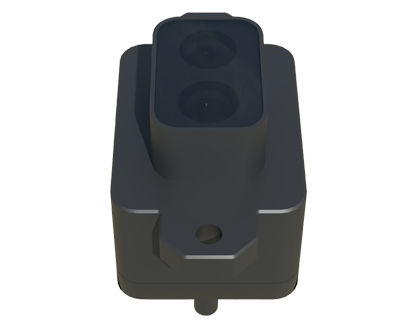
In conclusion, the price of a laser length sensor is a direct reflection of its capability, durability, and the ecosystem surrounding it. A thorough analysis of the application requirements—necessary accuracy, speed, range, and environmental conditions—is essential for selecting a sensor that offers the best value, balancing performance needs with budget constraints. Investing in the right sensor ultimately safeguards product quality and optimizes production efficiency.