Capacitive proximity sensors are versatile non-contact sensing devices widely used in industrial automation, manufacturing, and consumer electronics. Unlike inductive sensors that detect only metals, capacitive sensors can detect a vast range of materials, including liquids, plastics, glass, wood, and granular substances, by measuring changes in capacitance. The fundamental operating principle involves an oscillator circuit that generates an electrostatic field from the sensor's active surface. When a target object enters this field, it alters the dielectric properties and capacitance of the system. This change is detected by the sensor's circuitry, which then triggers an output signal, typically a switching action.
The core components include a sensing electrode (often the sensor face itself), an oscillator, a signal converter, and an output amplifier. The sensor's sensitivity is adjustable, allowing it to ignore certain materials or background objects, a feature crucial for complex applications. Key performance parameters include sensing distance, which is influenced by the target material's dielectric constant, size, and the sensor's own design. Standard sensing ranges vary from a few millimeters to several centimeters. Factors like temperature fluctuations, humidity, and electrical noise can affect performance, necessitating proper installation and shielding.
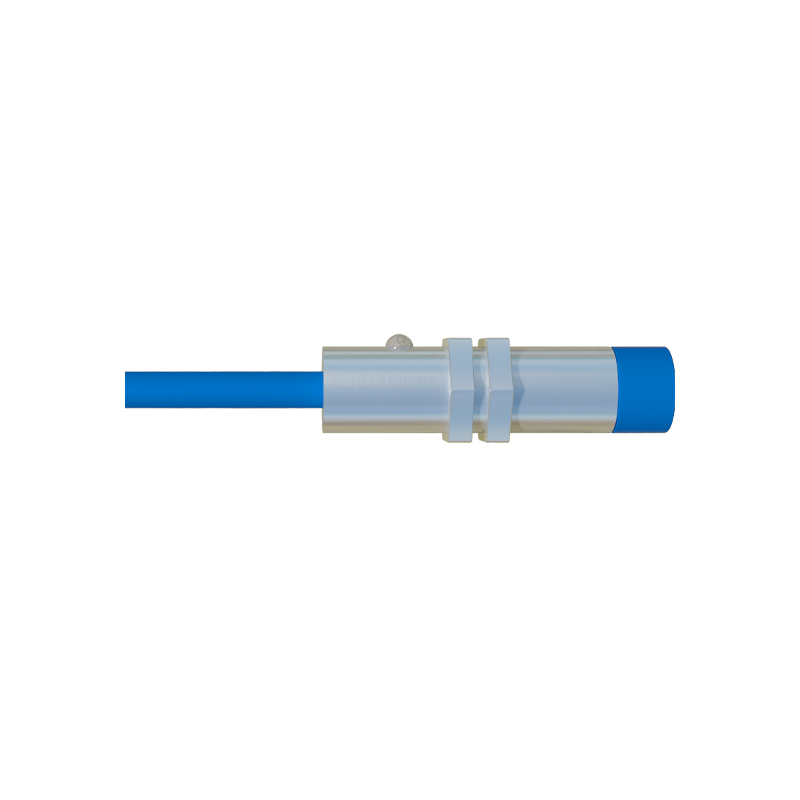
Applications are diverse. In packaging, they detect levels of liquids, powders, or granules through container walls. In automotive assembly, they ensure the presence of non-metallic components like gaskets or plastic caps. They are integral to touch-sensitive interfaces in consumer devices and control panels. A critical industrial use is in level detection for tanks and silos, providing reliable monitoring for materials where other sensor types fail. Their ability to function through non-metallic barriers makes them ideal for hygienic or sealed environments.
Selecting the right capacitive sensor requires careful consideration. First, define the target material and its dielectric constant. Materials with high constants (like water or metals) are detected at longer ranges than low-constant materials (like plastics). Next, consider the required sensing distance and factor in a safety margin, typically 10-20%, to account for material variations and environmental conditions. The housing material is vital; sensors for harsh environments may require stainless steel or PEEK housings with high IP ratings for dust and water resistance. Output type (PNP/NPN analog or digital) must match the control system (PLC). Finally, consider mounting options (flush or non-flush). Flush-mounted sensors can be embedded in metal without affecting their field, while non-flush types offer longer ranges but require clearance from surrounding metal.
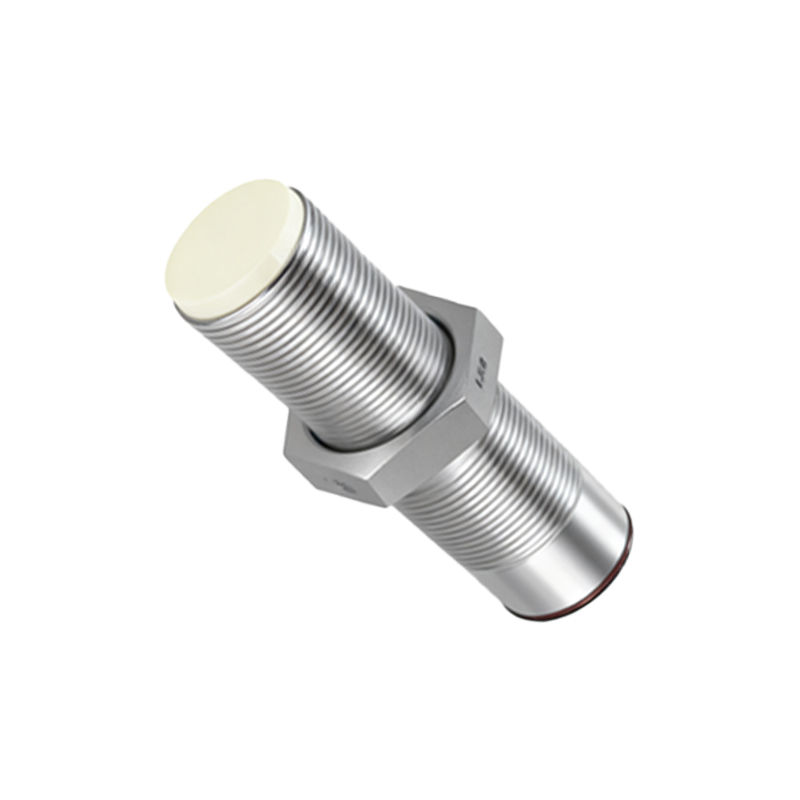
Installation and maintenance are straightforward but critical. Ensure the sensor is not mounted too close to conductive backgrounds to prevent false triggering. Regular cleaning of the sensing face from dust, oil, or moisture buildup is essential for consistent operation. In challenging environments with high contamination risk, sensors with built-in temperature compensation and robust housing are recommended.
In summary, capacitive proximity sensors offer a unique and flexible sensing solution. Their material versatility, reliability, and ability to sense through barriers make them indispensable in modern automated systems. Understanding their principles, key specifications, and application requirements is fundamental to leveraging their full potential, ensuring improved process efficiency, safety, and quality control across countless industries. As technology advances, we see trends towards miniaturization, enhanced noise immunity, and integration with IO-Link for smart sensor diagnostics and parameter setting, further expanding their capabilities.