In the realm of industrial automation and control systems, proximity sensors play a pivotal role in detecting the presence or absence of objects without physical contact. Among the diverse technologies available, oscillator-type proximity sensors stand out for their reliability, simplicity, and effectiveness in harsh environments. This article delves into the operational principles, common applications, and key considerations for selecting and implementing these sensors.
The fundamental principle behind an oscillator-type proximity sensor is based on electromagnetic induction. At its core, the sensor contains an oscillator circuit that generates a high-frequency electromagnetic field from a coil located at the sensing face. When a metallic target enters this oscillating field, eddy currents are induced on the target's surface. These eddy currents draw energy from the oscillator, causing a change in its amplitude or frequency. This change is detected by a threshold circuit, which subsequently triggers an output signal—typically a solid-state switch—to indicate the presence of the target. For non-metallic targets, capacitive versions operate on a similar principle but detect changes in capacitance due to the target's dielectric properties.
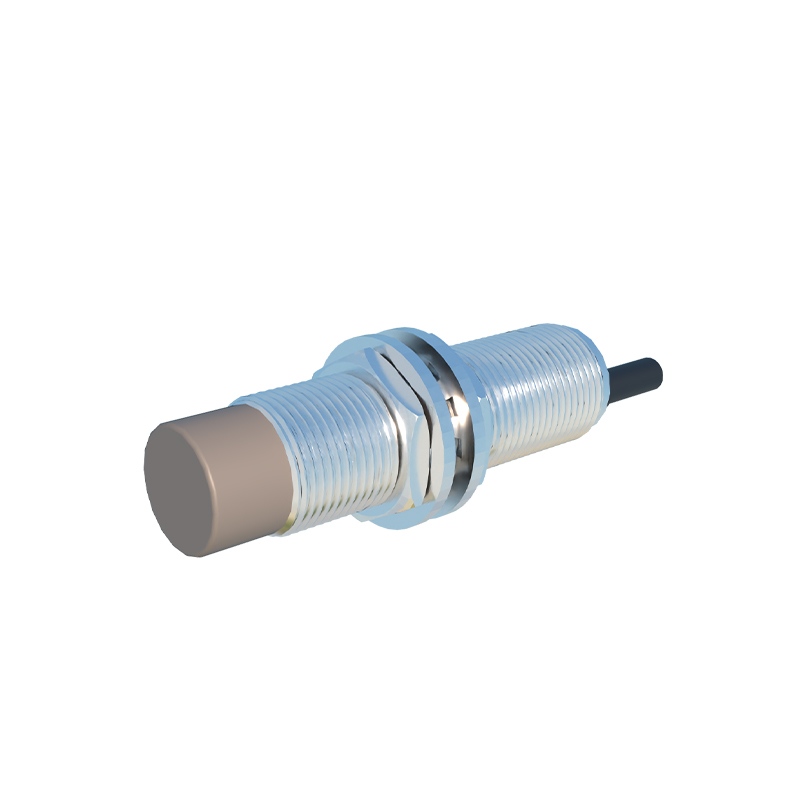
One of the primary advantages of oscillator-type proximity sensors is their robustness. With no moving parts and often housed in rugged, sealed enclosures, they are highly resistant to vibration, dust, moisture, and temperature extremes. This makes them ideal for demanding industrial settings such as manufacturing lines, automotive assembly, and material handling systems. Common applications include position sensing of machine parts, object counting on conveyors, limit switching, and detecting the end of travel in automated machinery. Their non-contact nature eliminates mechanical wear, ensuring long operational life and minimal maintenance.
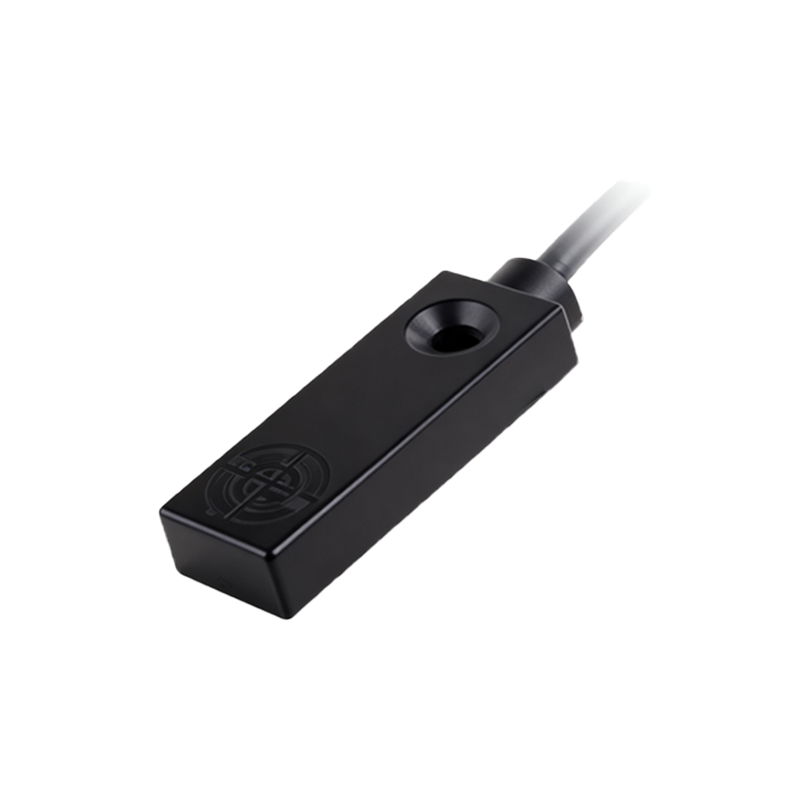
When selecting an oscillator-type proximity sensor, several technical parameters must be evaluated. Sensing range, often specified as the nominal range for a standard target, is crucial; it varies with target material, size, and shape. For instance, ferrous metals like steel typically have a longer sensing range than non-ferrous metals like aluminum or copper. The sensor's housing style—such as cylindrical, rectangular, or ring-shaped—should match the installation constraints. Output configuration is another key factor: sensors may provide digital outputs (PNP/NPN transistor) or analog outputs proportional to distance, with choices between normally open (NO) or normally closed (NC) contacts. Environmental ratings, notably Ingress Protection (IP) codes for dust and water resistance, and temperature operating ranges, are vital for ensuring reliability in specific conditions.
Installation and electrical considerations are equally important. Proper mounting, avoiding metal-to-metal contact around the sensing face, is necessary to prevent false triggers. Electrical noise from motors or frequency converters can interfere with sensor operation; therefore, selecting models with shielding or noise immunity features is advisable. Additionally, many modern sensors incorporate diagnostic LEDs and short-circuit protection to aid in setup and enhance system safety.
In summary, oscillator-type proximity sensors offer a versatile and durable solution for non-contact detection in automation. Their working principle, while straightforward, provides high precision and repeatability. By carefully considering factors like target material, sensing range, environmental conditions, and electrical requirements, engineers can effectively integrate these sensors to improve efficiency, safety, and reliability in diverse industrial applications. As technology advances, features like increased miniaturization, enhanced sensing capabilities for mixed materials, and integration with Industrial Internet of Things (IIoT) platforms continue to expand their utility, solidifying their status as a cornerstone of modern industrial sensing.