In the high-stakes environment of industrial material handling, overhead cranes are indispensable workhorses. Their operation, however, presents significant safety challenges, particularly the risk of collisions between multiple cranes on the same runway or with fixed structures. Traditional methods like physical bumpers or ultrasonic sensors often fall short in precision and reliability. This is where laser anti-collision sensor systems have emerged as a transformative technology, offering unparalleled accuracy and proactive safety for crane operations.
At its core, a laser anti-collision system utilizes time-of-flight (ToF) or phase-shift measurement principles. The sensor emits modulated laser pulses towards a target—either a reflector installed on an opposing crane or a fixed structure. By precisely measuring the time it takes for the pulse to reflect and return, the system calculates the exact distance between the objects with millimeter-level accuracy. This continuous, real-time distance data is fed into a central processing unit or a dedicated safety controller.
The operational logic is elegantly straightforward yet highly effective. Operators or system integrators define multiple warning and slowdown zones. As the distance between cranes decreases, the system triggers a series of escalating responses. Initially, a visual and audible warning alerts the crane operator in the cab. If the closing distance continues into a pre-set slowdown zone, the system can automatically override manual controls to reduce the crane's travel speed. Finally, if the cranes enter a critical danger zone, the system issues a command for a complete and controlled stop, preventing impact entirely. This multi-tiered approach ensures a graduated response, maintaining operational flow while guaranteeing ultimate safety.
The advantages of laser-based systems over older technologies are substantial. Their high precision is immune to common environmental factors that plague other sensors; they are not affected by ambient noise, wind, dust (within specified limits), or temperature fluctuations. The narrow, focused laser beam provides excellent directivity, eliminating false triggers from peripheral objects. Furthermore, modern laser sensors offer exceptional range, capable of monitoring distances up to several hundred meters, making them ideal for long runway applications in steel mills, shipping ports, and large manufacturing facilities.
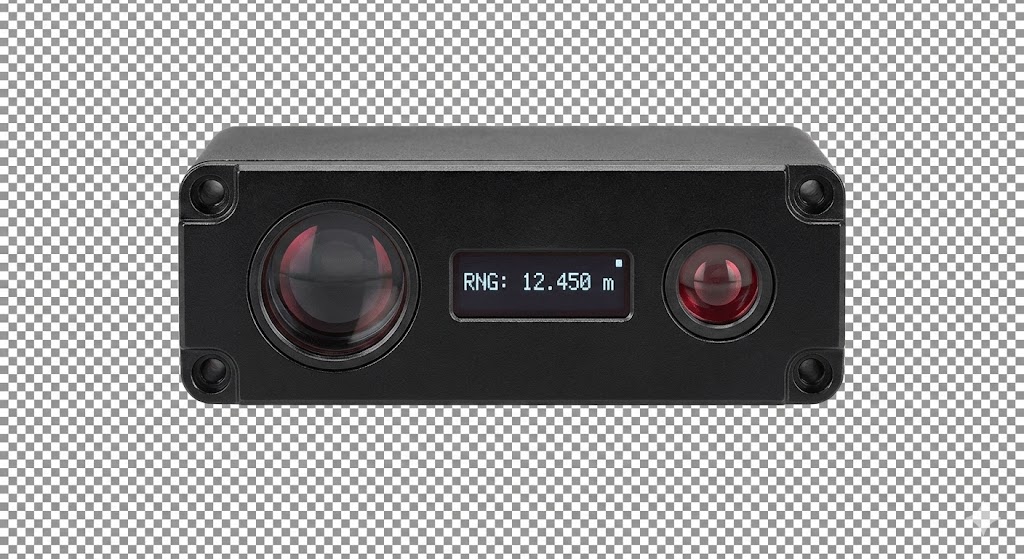
Integration into existing crane control systems is a key consideration. Modern laser sensors communicate via robust industrial protocols such as PROFIBUS DP, PROFINET, EtherNet/IP, or simple relay outputs. This allows seamless integration with Programmable Logic Controllers (PLCs) and safety relays. For advanced fleet management, multiple sensors can be networked, providing a centralized overview of all crane positions on a monitoring HMI or SCADA system, enabling coordinated movement and optimized traffic management on busy runways.
Beyond crane-to-crane anti-collision, this technology finds critical application in end-of-runway protection and anti-sway systems. Sensors can be positioned to detect the crane's approach to the physical limits of the runway, initiating automatic slowdown and stop sequences. When integrated with drive controls, the precise distance feedback can also be used to actively dampen load sway, significantly improving positioning accuracy and cycle times.
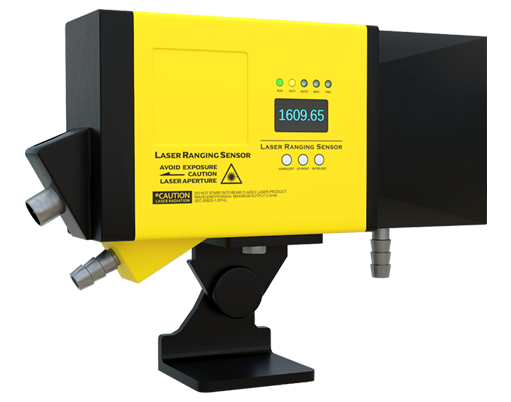
Selecting the right system requires careful evaluation. Critical parameters include the required measurement range, the necessary response time, the environmental protection rating (IP67 for harsh, dusty, or wet conditions is typical), and the laser safety class (Class 1 or Class 2 lasers are common for this application, posing no eye hazard under normal use). Regular maintenance, primarily keeping the lens clean and verifying calibration, is minimal but essential for sustained reliability.
In conclusion, the implementation of a laser anti-collision sensor system represents a best-practice investment in industrial safety and operational efficiency. It moves crane safety from a reactive, damage-control paradigm to a proactive, prevention-based strategy. By creating an invisible safety shield of light, these systems protect valuable assets, prevent costly downtime from collisions, and, most importantly, safeguard personnel, establishing a new standard for responsible material handling in modern industry.