In industrial automation and machinery, proximity sensors are indispensable components for non-contact detection of objects. They provide critical feedback for positioning, counting, and safety interlocks. When a proximity sensor exhibits an anomaly, it signifies a deviation from its normal operational parameters, leading to unreliable signals, machine downtime, or even safety hazards. Understanding what these anomalies mean is crucial for maintenance personnel and engineers.
An anomaly in a proximity sensor typically manifests as erratic behavior. Common symptoms include failure to detect a target within its specified sensing range, intermittent detection (chatter), detecting a target when none is present (false triggering), or a complete lack of output signal. These symptoms point to underlying issues that can be broadly categorized into internal sensor faults, external environmental factors, and electrical/installation problems.
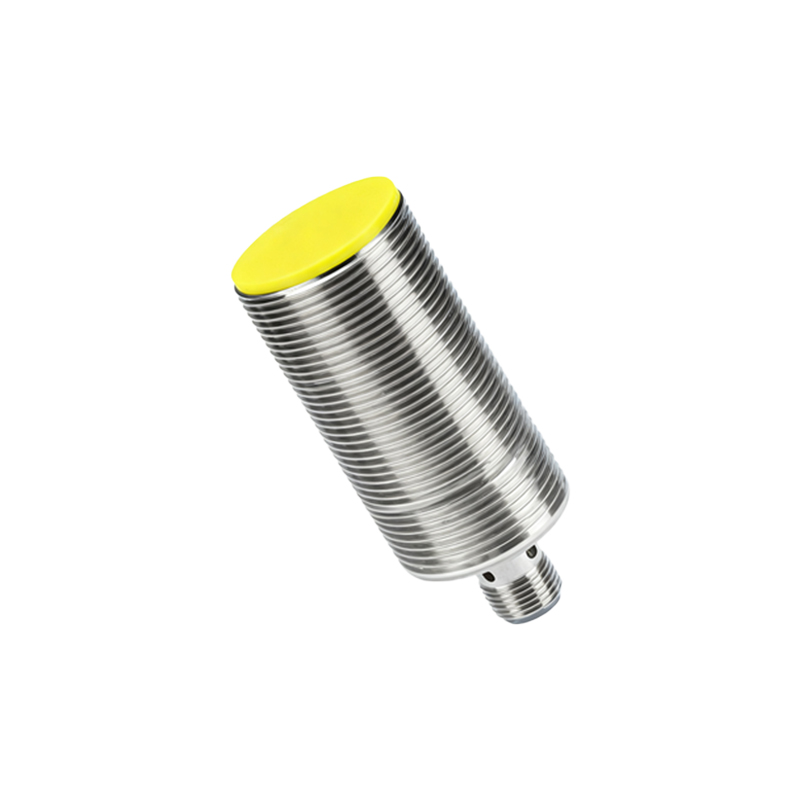
Internal sensor faults are often related to component degradation or damage. The oscillator coil, a core component in inductive sensors, can fail due to thermal stress or physical impact. For capacitive sensors, contamination or damage to the sensing face dielectric can alter its characteristics. Photoelectric sensors may have a failing emitter or receiver LED, or a dirty lens. Internal electronic circuitry can also fail due to voltage spikes, leading to a compromised output stage.
External environmental factors are a predominant cause of anomalies. Inductive sensors can be affected by the presence of other metals in their sensing field that are not the intended target, causing false triggers. Extreme temperatures beyond the sensor's rating can cause thermal drift, altering the sensing distance and output timing. For all sensor types, physical damage from impact, vibration, or abrasion can compromise the housing and internal components. Contaminants like metal chips, oil, coolant, or dust can coat the sensing face, particularly problematic for capacitive and photoelectric sensors. Strong electromagnetic interference (EMI) from nearby motors, welders, or frequency drives can induce noise in the sensor's signal lines.
Electrical and installation issues frequently lead to perceived sensor faults. Incorrect power supply voltage (either too high or too low) will prevent proper operation. Wiring errors, such as reversed polarity or loose connections, are common culprits. Excessive load current on the output can damage the sensor's switching transistor. Improper mounting, such as not allowing sufficient clearance around the sensing face (flush-mount vs. non-flush mount inductive sensors), can drastically reduce the effective sensing range. Using a sensor with an incorrect sensing range for the application will result in consistent failure.
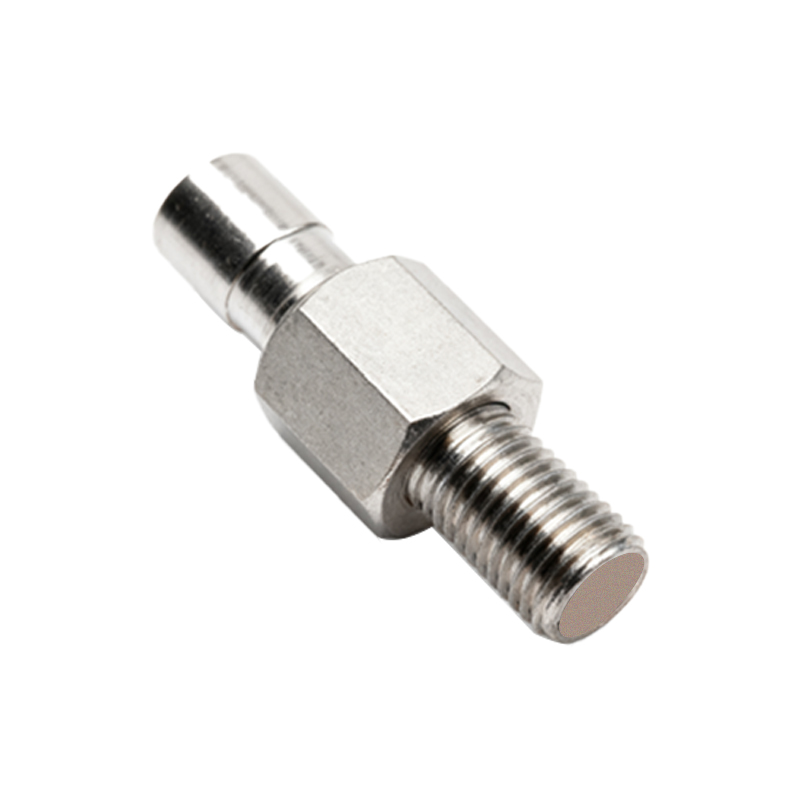
Troubleshooting a suspected proximity sensor anomaly follows a systematic approach. First, verify the basics: ensure the correct power supply is present at the sensor terminals. Check for visible damage, contamination, or improper mounting. Use a simple metal target (for inductive) to test the sensing function independently from the machine cycle. A multimeter can check the output state. Swapping the sensor with a known-good unit is a quick diagnostic step. Consulting the sensor's datasheet for its specific characteristics (like nominal sensing distance, hysteresis, and output type) is essential.
Preventive maintenance is key to minimizing anomalies. This includes regular cleaning of sensor faces, checking for secure mounting and connections, verifying environmental conditions are within spec, and using protective measures like surge suppressors in electrically noisy environments or physical guards against impact.
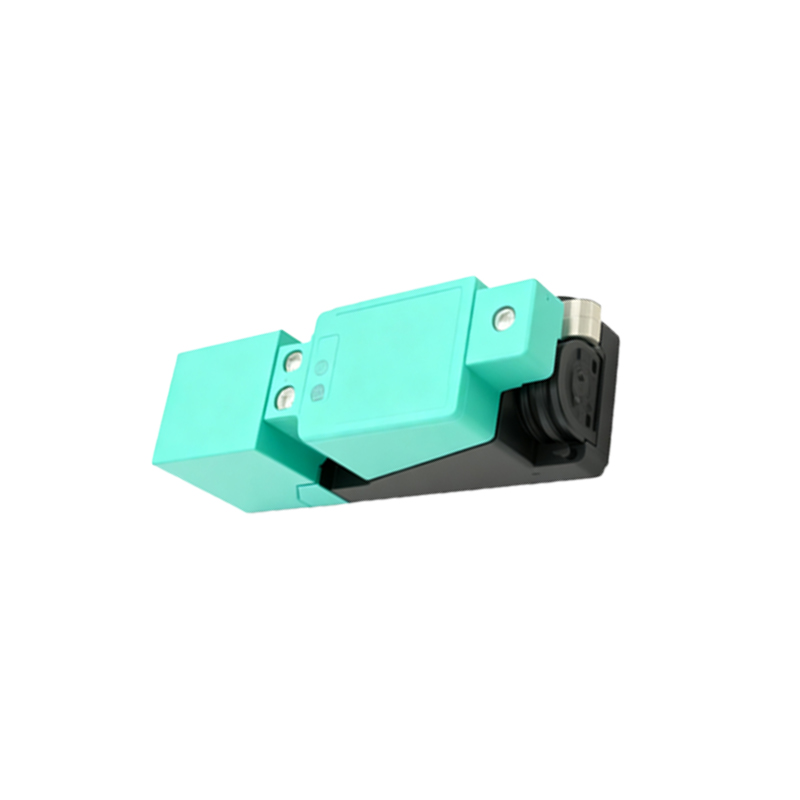
In summary, a proximity sensor anomaly is a warning sign of an underlying issue that disrupts its reliable object detection function. It is rarely a random event but rather a consequence of sensor failure, environmental stress, or installation error. Prompt diagnosis and correction are necessary to maintain system integrity, productivity, and safety. By recognizing the symptoms and understanding the common root causes, engineers can effectively restore sensor performance and prevent future occurrences.