In the demanding world of industrial automation and control, proximity sensors are indispensable components. However, standard sensors often falter in extreme cold environments, such as those found in cold storage facilities, outdoor winter operations, cryogenic processing, and the food & beverage industry. This is where specialized low temperature proximity sensors come into play. These robust devices are engineered to maintain precise and reliable detection capabilities, stable switching characteristics, and structural integrity even when exposed to temperatures far below freezing, often down to -40°C or lower. Their design considerations include specialized seals to prevent internal condensation, materials that resist embrittlement, and electronics with components rated for extended low-temperature operation. For engineers and procurement specialists, selecting the right brand is critical for ensuring system uptime and longevity. Several leading manufacturers have established strong reputations in this niche field through continuous innovation and proven performance.
One of the foremost names in sensor technology is Sick AG. The German powerhouse offers a comprehensive portfolio of inductive, capacitive, and magnetic proximity sensors explicitly designed for low-temperature duty. Their sensors frequently feature rugged stainless steel housings, high-grade sealing (typically IP67, IP69K), and are tested for reliable operation in temperatures as low as -40°C. Sick's emphasis on precision engineering and diagnostic capabilities makes them a preferred choice for complex automated systems in harsh environments.
Pepperl+Fuchs, another German leader in industrial sensing, provides an extensive range of low-temperature proximity sensors known for their durability. Their catalog includes variants capable of functioning reliably from -60°C to +70°C. They utilize advanced potting compounds and specialized cable materials that remain flexible in extreme cold, preventing failure points. Their inductive sensors, in particular, are renowned for their long operational life and resistance to shock and vibration, which is often exacerbated in cold conditions.
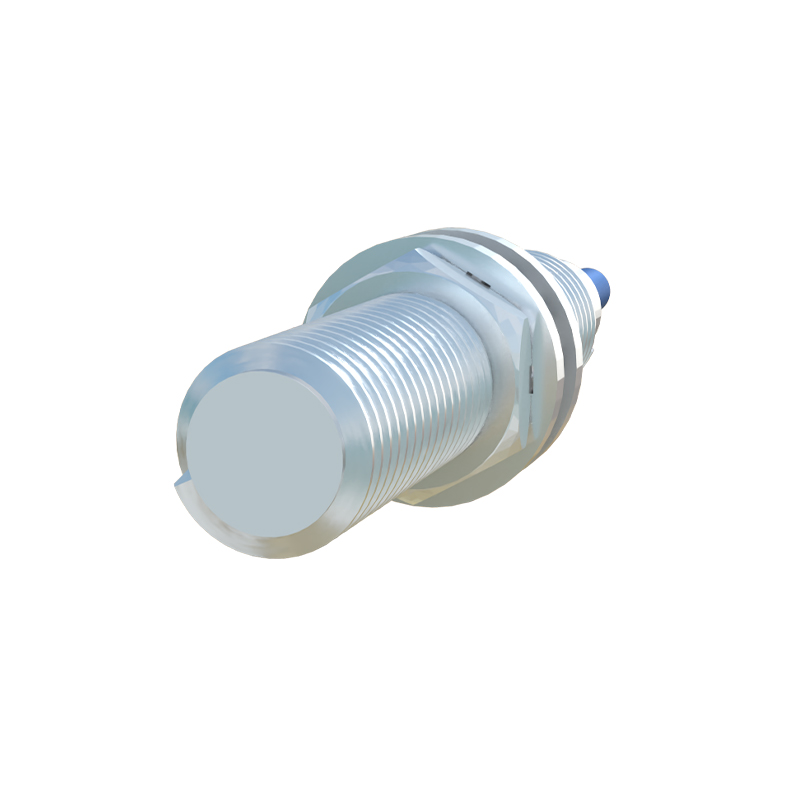
Balluff GmbH stands out with its high-quality sensor solutions tailored for challenging applications. Balluff's low-temperature sensors often incorporate innovative designs like all-welded stainless steel bodies to ensure complete hermetic sealing against moisture and condensation—a common issue when moving between temperature extremes. They offer a variety of output types and connection methods, providing flexibility for integration into existing control panels and PLC systems operating in freezer warehouses or outdoor logistics.
Omron Corporation, the Japanese electronics giant, offers a reliable series of proximity sensors rated for low-temperature environments. Omron focuses on achieving a balance between performance, compact size, and cost-effectiveness. Their E2E and E2A series, for example, include models with operating temperatures starting at -40°C. They are widely used in packaging machinery, automotive assembly lines in unheated facilities, and other applications where space is constrained but environmental resistance is non-negotiable.
Turck GmbH is celebrated for its rugged and versatile sensor families. Turck's approach often involves modular, connector-compatible designs that simplify maintenance and replacement in hard-to-reach, cold locations. Their Q series and BI series proximity sensors are built to withstand not only extreme temperatures but also aggressive cleaning chemicals, making them ideal for the food processing and pharmaceutical industries where washdowns are frequent and temperatures are low.
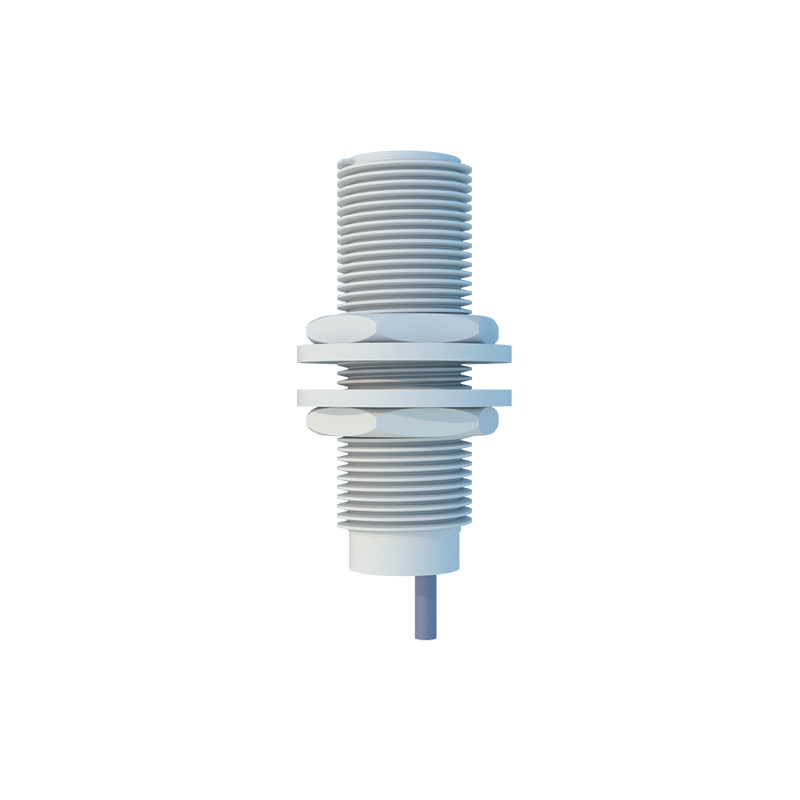
ifm electronic rounds out the list with its user-centric and efficient sensor solutions. ifm's low-temperature proximity sensors are designed for easy setup and integration, featuring clear diagnostic indicators (like IO-Link technology) that are invaluable for preventative maintenance in remote cold environments. Their robust construction ensures reliable object detection in applications like ice production, frozen goods handling, and environmental monitoring stations.
When selecting a low-temperature proximity sensor brand, key evaluation criteria extend beyond just the minimum temperature rating. Engineers must consider the sensor's housing material (stainless steel vs. nickel-plated brass), the type and rating of the electrical connection (pre-wired cable or quick-disconnect), the sensing distance under cold conditions, and the required ingress protection level. Furthermore, compliance with industry-specific standards for food safety (e.g., FDA, EHEDG) or explosion-proof certifications (ATEX, IECEx) for potentially hazardous cold environments may be necessary.
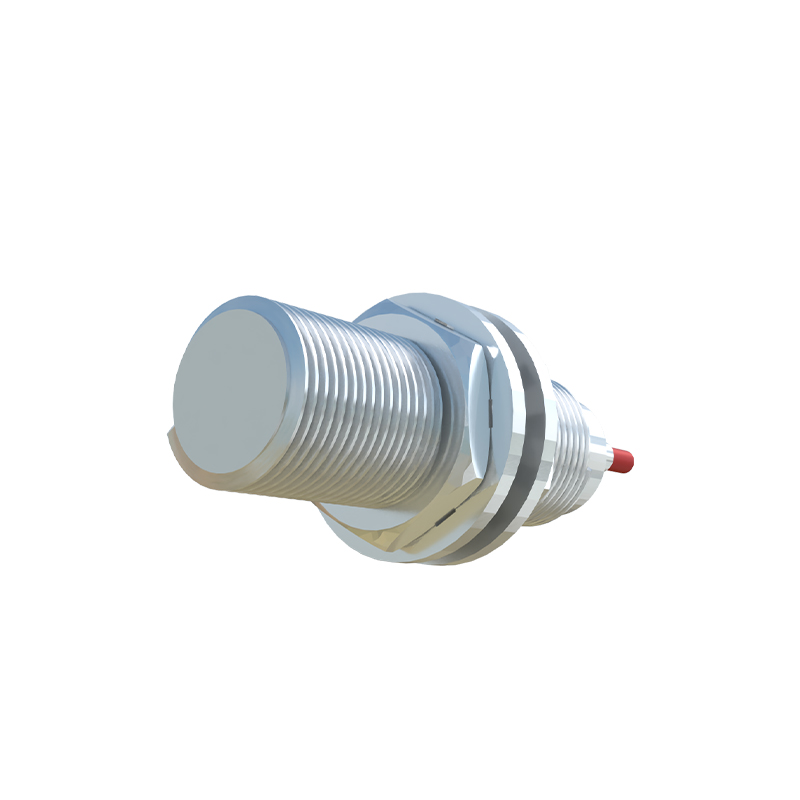
In conclusion, the market for reliable low-temperature proximity sensors is well-served by these established industrial automation brands. Sick, Pepperl+Fuchs, Balluff, Omron, Turck, and ifm each bring distinct strengths in material science, sealing technology, and electronic resilience. The optimal choice depends on the specific application's temperature range, physical demands, required certifications, and integration needs. Investing in a high-quality sensor from a reputable brand is ultimately an investment in reducing downtime, minimizing maintenance costs, and ensuring the seamless operation of automated processes in the world's coldest working conditions.