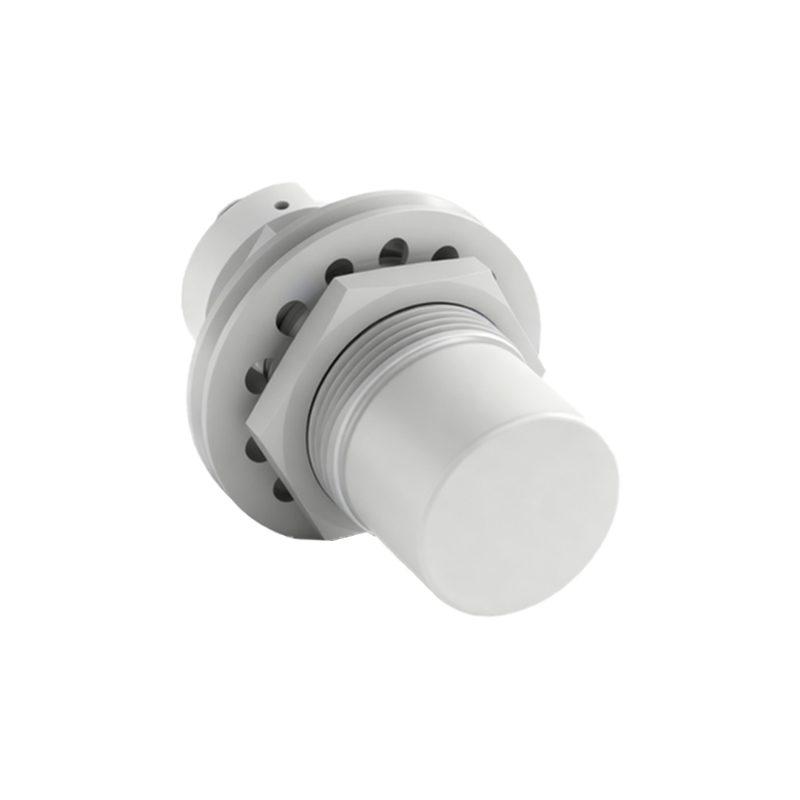
Proximity sensor targets are critical components within modern aircraft landing gear systems, ensuring precise positional feedback and operational safety. These targets, often metallic discs or tabs, interact with non-contact proximity sensors to detect the exact position of landing gear components—such as doors, uplocks, downlocks, and struts—during extension, retraction, and locking sequences. The reliability of these systems is paramount, as any failure in position detection could lead to unsafe conditions, including uncommanded gear movement or incorrect cockpit indications.
In aviation applications, proximity sensor targets are typically manufactured from ferrous materials like stainless steel or specialized alloys that exhibit consistent magnetic properties. The material selection is crucial; it must withstand harsh environmental conditions, including extreme temperatures, vibration, moisture, and exposure to hydraulic fluids or de-icing chemicals. Targets are often designed with specific geometric profiles—such as notched, slotted, or contoured shapes—to create a clear, repeatable signal transition as they pass the sensor. This design ensures that the sensor can accurately distinguish between "target present" and "target absent" states, corresponding to discrete gear positions.
The integration of these targets with inductive or capacitive proximity sensors forms a robust sensing system. Inductive sensors, commonly used due to their durability and insensitivity to contaminants, generate an electromagnetic field. When a metallic target enters this field, it induces eddy currents, causing a change in the sensor's oscillation amplitude. This change is processed by the aircraft's landing gear control unit (LGCU) to confirm position. Targets must be precisely aligned within the sensor's sensing range, typically within millimeters, to avoid false readings. Maintenance procedures often include gap checks and alignment verification to ensure system integrity.
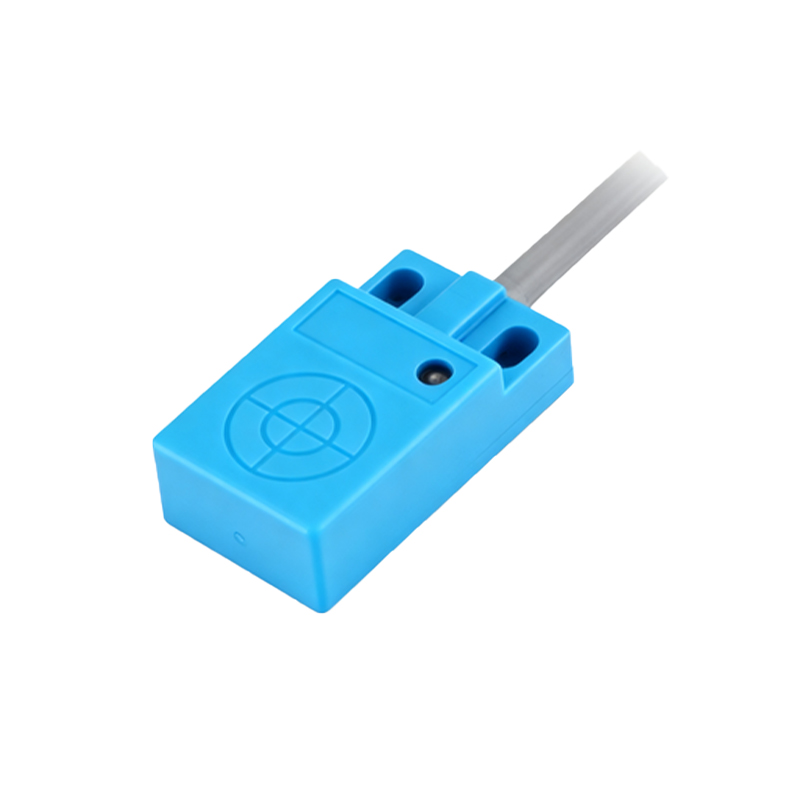
Advancements in target technology focus on enhancing durability and reducing weight. Composite materials with embedded metallic elements are being explored to maintain magnetic responsiveness while minimizing mass. Additionally, surface treatments like nitriding or coating applications improve wear resistance and corrosion protection, extending service intervals. In modern fly-by-wire aircraft, the feedback from these targets is integrated with digital avionics, contributing to automated gear sequencing and health monitoring systems. Any anomalies in sensor-target interaction can trigger maintenance alerts, supporting predictive maintenance strategies.
Installation and calibration of proximity sensor targets require strict adherence to manufacturer specifications and aviation regulations, such as those outlined by the FAA or EASA. Technicians must ensure targets are securely mounted, free of debris, and correctly oriented. During routine inspections, targets are examined for physical damage, cracks, or deformation that could affect magnetic characteristics. Replacement targets must match original part numbers and material certifications to maintain system performance.
In summary, proximity sensor targets are indispensable for the safe operation of aircraft landing gear. Their design, material science, and integration with sensing systems reflect the high-reliability standards of the aerospace industry. Continuous innovation in materials and manufacturing processes aims to further improve their longevity and accuracy, supporting the evolving demands of next-generation aircraft. As aviation moves towards more electric and autonomous systems, the role of these precision components will remain vital, ensuring that landing gear functions flawlessly across countless flight cycles.