In the realm of industrial automation, precision, reliability, and efficiency are paramount. Among the myriad of components driving modern manufacturing and logistics, the integration of laser ranging sensors with conveyor belt systems stands out as a transformative technology. This article delves into the principles, applications, and benefits of laser ranging sensor belts, offering insights for engineers and industry professionals seeking to optimize their operations.
Laser ranging sensors, often based on time-of-flight (ToF) or phase-shift measurement principles, emit laser beams toward a target—in this case, objects on a conveyor belt. By calculating the time or phase difference between the emitted and reflected light, these sensors determine distances with high accuracy, typically within millimeters. When mounted above or alongside a conveyor belt, they enable non-contact, real-time monitoring of object position, size, height, and orientation. This capability is crucial for tasks such as sorting, quality control, and robotic guidance.
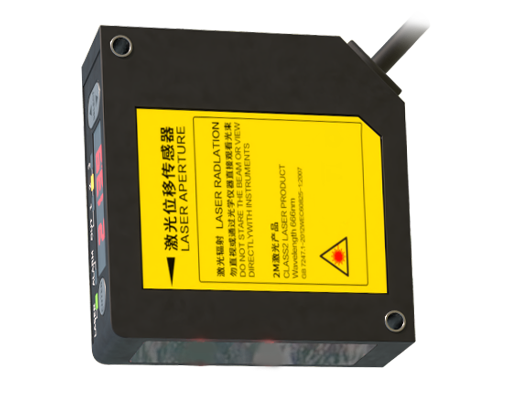
The synergy between laser sensors and conveyor belts enhances automation in several key areas. In packaging lines, for instance, sensors can detect variations in parcel dimensions, ensuring consistent spacing and preventing jams. In automotive assembly, they verify component alignment on moving belts, reducing errors and downtime. Moreover, in warehousing and distribution centers, laser-ranging systems facilitate automated inventory tracking by scanning items as they transit, improving accuracy and speed compared to manual methods.
One of the primary advantages of laser ranging sensor belts is their adaptability to diverse environments. Unlike mechanical or ultrasonic sensors, lasers are less affected by ambient noise, dust, or temperature fluctuations, making them suitable for harsh industrial settings. Advanced models feature robust housings and IP ratings for protection against moisture and debris. Additionally, modern sensors often include digital interfaces (e.g., IO-Link, Ethernet/IP) for seamless integration with programmable logic controllers (PLCs) and industrial networks, enabling data-driven decision-making and predictive maintenance.
From a technical perspective, selecting the right laser sensor for a conveyor belt application involves considering factors like measurement range, resolution, response time, and beam type. Point lasers are ideal for precise spot measurements, while line lasers can profile entire objects. For high-speed belts, sensors with fast sampling rates (e.g., >1 kHz) are essential to capture data without blurring. Calibration and alignment are also critical; improper installation can lead to inaccuracies, so following manufacturer guidelines and periodic checks is recommended.
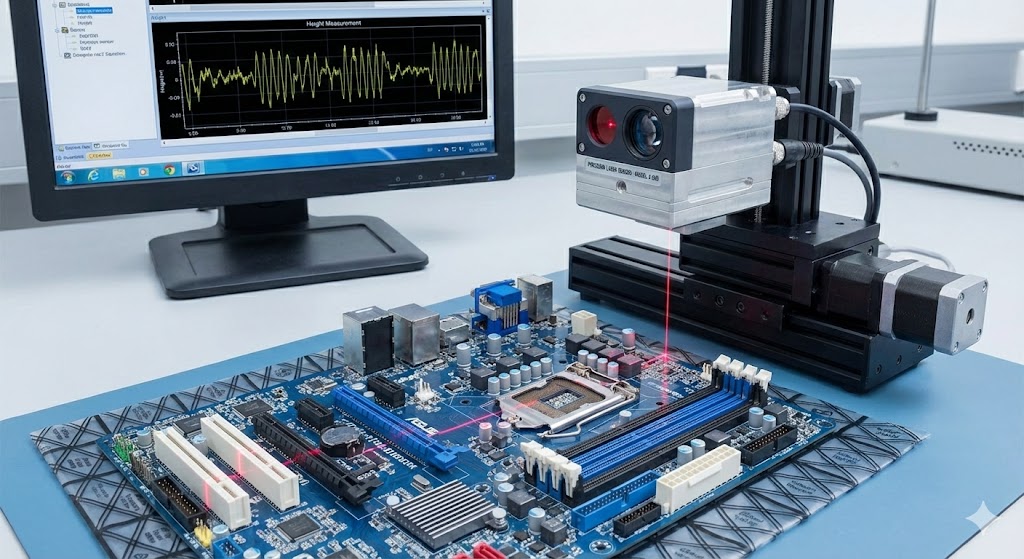
Case studies illustrate the impact of this technology. A food processing plant implemented laser sensors on its conveyor belts to monitor fill levels in containers, reducing waste by 15% and enhancing compliance with safety standards. In e-commerce, a logistics company used sensor belts to automate sorting by size and weight, cutting processing time by 30%. These examples underscore how laser ranging contributes to operational excellence and cost savings.
Looking ahead, trends like Industry 4.0 and the Internet of Things (IoT) are pushing laser sensor belts toward greater intelligence. Integration with artificial intelligence (AI) allows for anomaly detection and adaptive control, while cloud connectivity enables remote monitoring and analytics. As sensors become more compact and affordable, their adoption is expected to grow across sectors from pharmaceuticals to recycling.
In conclusion, laser ranging sensor belts represent a cornerstone of modern industrial automation. By providing accurate, non-contact measurement, they boost productivity, ensure quality, and support flexible manufacturing. For engineers, staying informed about advancements in sensor technology and best practices for implementation is key to leveraging their full potential. As industries evolve, the fusion of precise sensing and conveyor systems will continue to drive innovation, making processes smarter and more responsive to dynamic demands.