Proximity infrared sensors are pivotal components in modern industrial automation, offering non-contact detection capabilities that enhance efficiency and reliability. These sensors operate based on the principle of infrared light emission and reception, utilizing the properties of electromagnetic radiation in the near-infrared spectrum (typically wavelengths between 700 nm to 1400 nm). The core mechanism involves an infrared emitter, often an LED or laser diode, which projects a modulated infrared beam toward a target object. When the beam encounters an object within the sensor's range, it reflects back to a photodetector, such as a phototransistor or photodiode, integrated into the sensor housing. The detector converts the reflected infrared signal into an electrical output, which is then processed by internal circuitry to determine the presence, absence, or distance of the object.
A key advantage of proximity infrared sensors lies in their immunity to ambient light interference. By employing modulation techniques—where the emitted infrared light is pulsed at a specific frequency—the sensor can distinguish between the reflected signal and external light sources. This ensures accurate detection even in environments with variable lighting conditions, such as manufacturing floors or outdoor settings. Additionally, the use of infrared light allows these sensors to detect a wide range of materials, including non-metallic objects like plastics, ceramics, and liquids, which might be challenging for inductive or capacitive sensors.
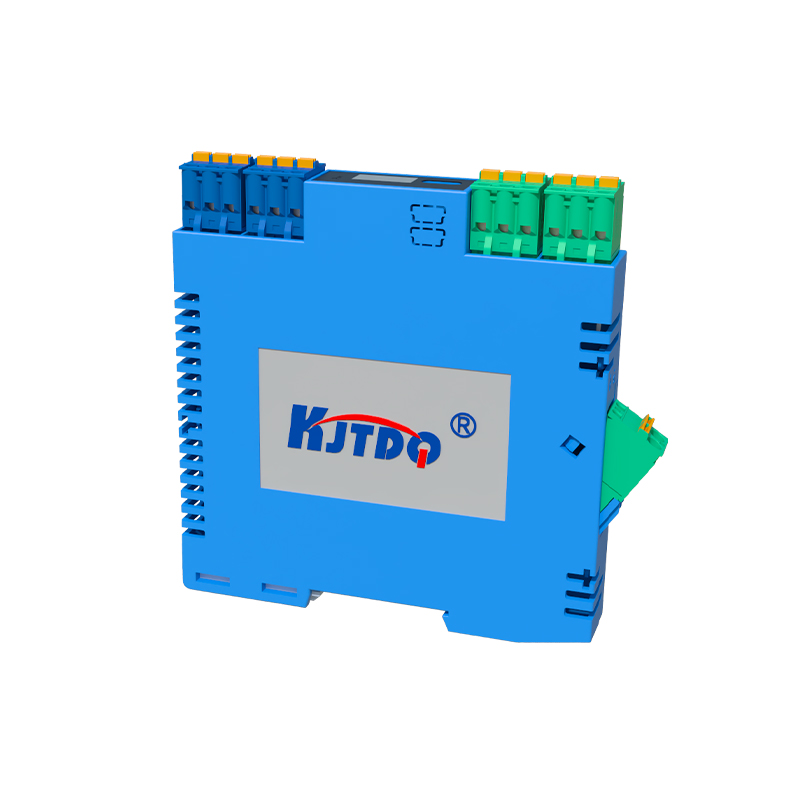
The design and functionality of proximity infrared sensors vary based on application requirements. Diffuse reflective sensors, for instance, combine the emitter and detector in a single unit, relying on direct reflection from the target. This configuration is ideal for short-range detection, typically up to a few meters, and is commonly used in object counting, packaging, and assembly line monitoring. In contrast, retro-reflective sensors incorporate a reflector to bounce the infrared beam back to the detector, enabling longer detection ranges and more precise alignment. Through-beam sensors, with separate emitter and detector units, offer the highest accuracy and range, suitable for safety barriers or high-speed sorting systems.

In industrial contexts, proximity infrared sensors contribute to numerous automation tasks. They facilitate precise positioning of robotic arms, monitor material levels in silos, and ensure product quality through inspection systems. For example, in automotive manufacturing, these sensors detect components on conveyor belts, triggering robotic welders or assembly tools. Their non-contact nature minimizes wear and tear, reducing maintenance costs and downtime. Moreover, advancements in sensor technology have led to miniaturized and smart versions with integrated microprocessors, enabling features like adjustable sensitivity, temperature compensation, and digital communication protocols (e.g., IO-Link or Ethernet/IP).
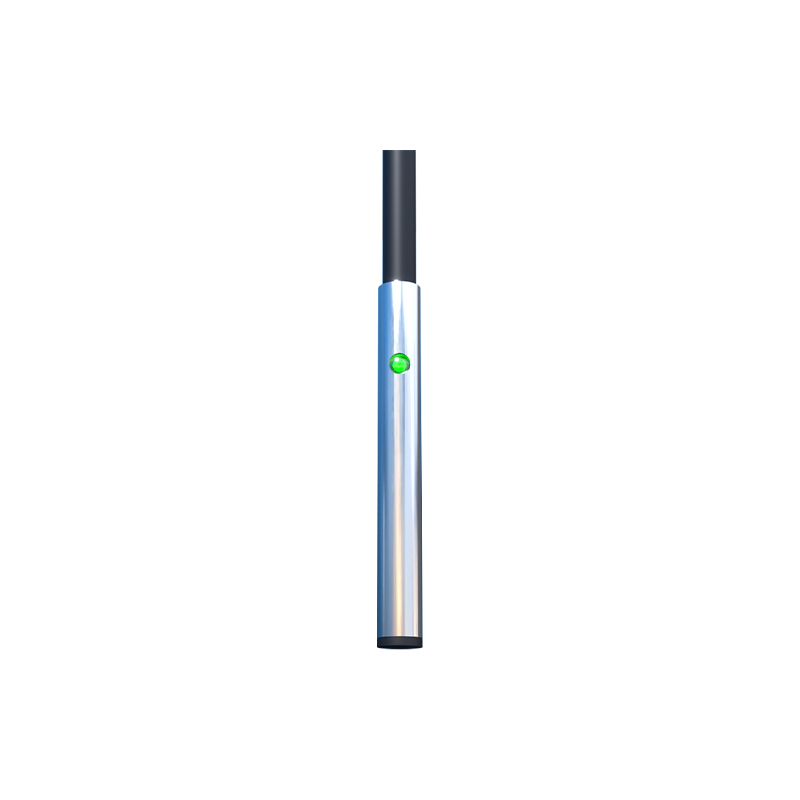
Despite their robustness, proximity infrared sensors have limitations. Factors such as object color, surface texture, and environmental contaminants (e.g., dust or fog) can affect reflectivity and detection accuracy. To mitigate this, engineers often select sensors with polarized filters or background suppression capabilities, which ignore distant reflections. Regular calibration and proper installation—considering angle, distance, and ambient conditions—are essential for optimal performance.
Looking ahead, the integration of proximity infrared sensors with IoT and AI-driven systems is expanding their role in predictive maintenance and data analytics. By providing real-time feedback on machine operations, these sensors support Industry 4.0 initiatives, enhancing productivity and safety. As industries continue to automate, understanding the principles of proximity infrared sensors remains crucial for designing efficient and resilient systems.