In the realm of industrial automation, precision, reliability, and durability are non-negotiable. Among the myriad of sensing technologies available, the M18 infrared (IR) proximity switch stands out as a cornerstone component for countless detection and positioning tasks. This cylindrical sensor, defined by its 18mm threaded barrel housing, leverages infrared light to offer non-contact object detection, making it indispensable in environments demanding robustness and consistent performance.
The fundamental operating principle of an M18 infrared proximity sensor is based on the emission and reception of infrared light. The sensor contains an IR LED that emits a beam of infrared light. When an object enters the detection range, it reflects part of this emitted light back towards the sensor. A phototransistor or photodiode receiver within the same housing detects this reflected signal. The internal circuitry then processes this signal and triggers a switching output—typically a solid-state PNP or NPN transistor, or sometimes a relay contact. This output signal can be used to control machinery, count items, signal a robotic arm, or provide positional feedback within a control system.
A key distinction within IR proximity sensors is the difference between diffuse and retro-reflective models. The standard diffuse reflective M18 sensor uses the target object itself as the reflector. Its effective sensing range is influenced by the object's size, color, and surface texture, with lighter colors generally providing longer detection distances. Retro-reflective models, on the other hand, require a separate reflector (like a prismatic tape or dedicated reflector plate) mounted opposite the sensor. The sensor detects an object when it breaks the beam between the sensor and the reflector. This type often allows for longer, more stable sensing distances and is less sensitive to the object's color.
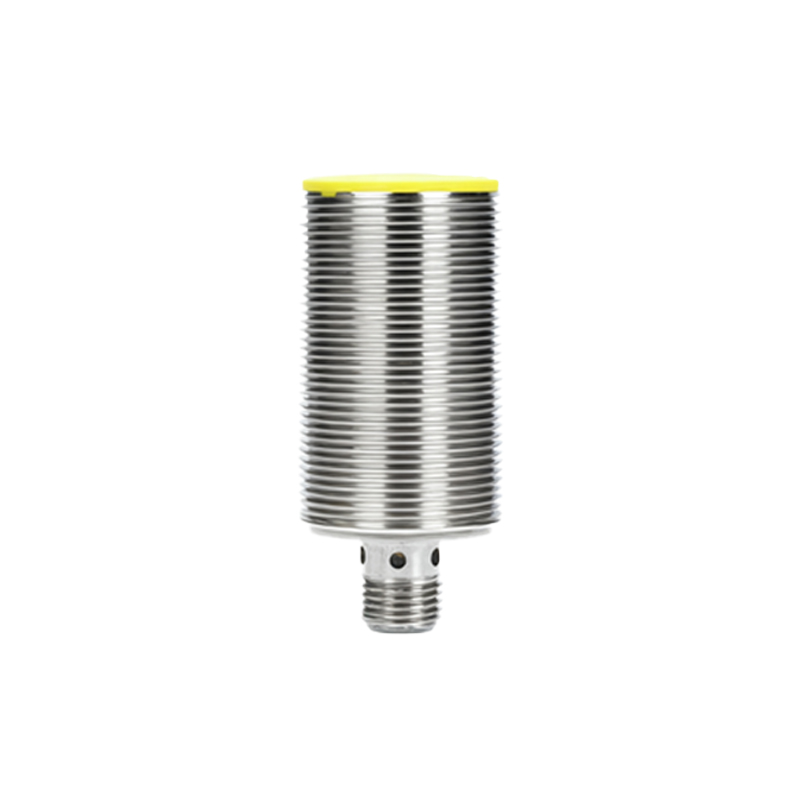
The M18 form factor itself is a significant advantage. The threaded barrel allows for easy mounting in standard 18mm holes, often with locknuts for secure installation. This standardized size ensures interchangeability and simplifies maintenance. The housing is typically constructed from nickel-plated brass, stainless steel, or rugged plastics like PBT, offering excellent resistance to oils, coolants, and industrial chemicals. Many models boast an IP67 or IP69K ingress protection rating, making them suitable for washdown environments in food and beverage or pharmaceutical applications.
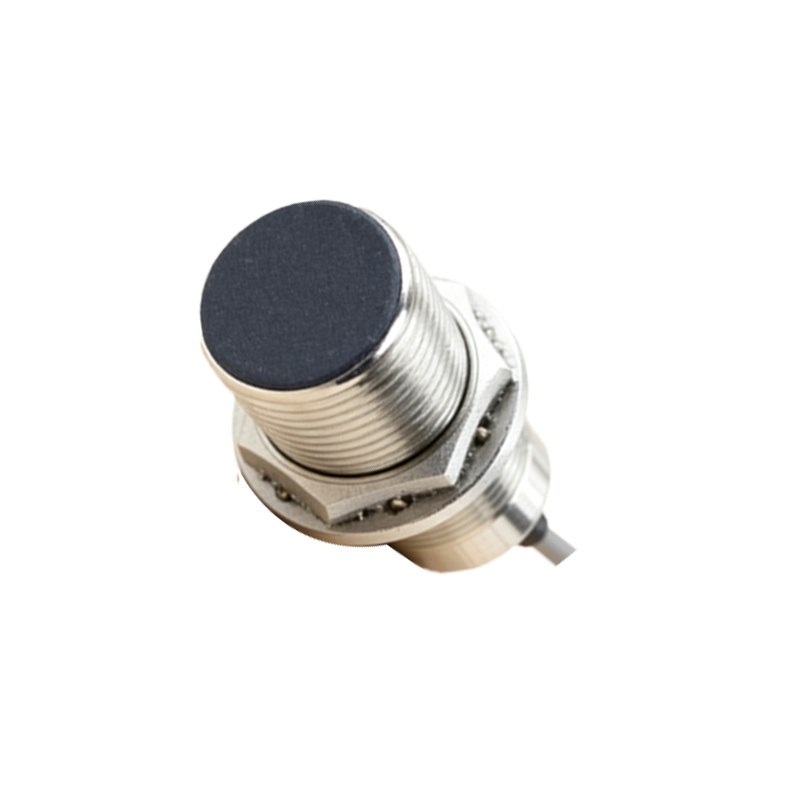
When selecting an M18 infrared proximity sensor for an application, several critical parameters must be considered. The sensing distance, often specified for a standard white target, is paramount. For diffuse sensors, this typically ranges from a few centimeters up to around 1.5 meters, depending on the model. The response time, measured in milliseconds, determines how quickly the sensor can detect a passing object, which is crucial for high-speed production lines. The output configuration must match the control system's input requirements (sinking vs. sourcing). Additionally, features like a built-in potentiometer for sensitivity adjustment, a stable operation indicator LED, and short-circuit/overload protection add significant value and operational flexibility.
The applications for M18 IR sensors are vast and varied. In packaging machinery, they detect the presence of boxes or bottles on a conveyor. In automated assembly, they verify part placement or count components. In material handling, they provide end-of-travel detection for actuators or position pallets. Their immunity to ambient visible light and ability to detect a wide range of materials—from plastics and glass to metals and liquids—make them incredibly versatile. However, it is important to note their limitations; highly transparent or absorbent (very dark) objects can be challenging to detect, and environmental factors like dust, steam, or heavy contamination can scatter or absorb the IR beam, potentially causing false triggers.
Installation and alignment are critical for optimal performance. Sensors should be mounted securely to minimize vibration. For diffuse sensors, the background behind the target should be as non-reflective and distant as possible to avoid false triggering. For retro-reflective types, ensuring the reflector is aligned perpendicularly to the sensor's beam is essential. Regular maintenance, primarily lens cleaning to remove dust or grime, ensures long-term reliability.
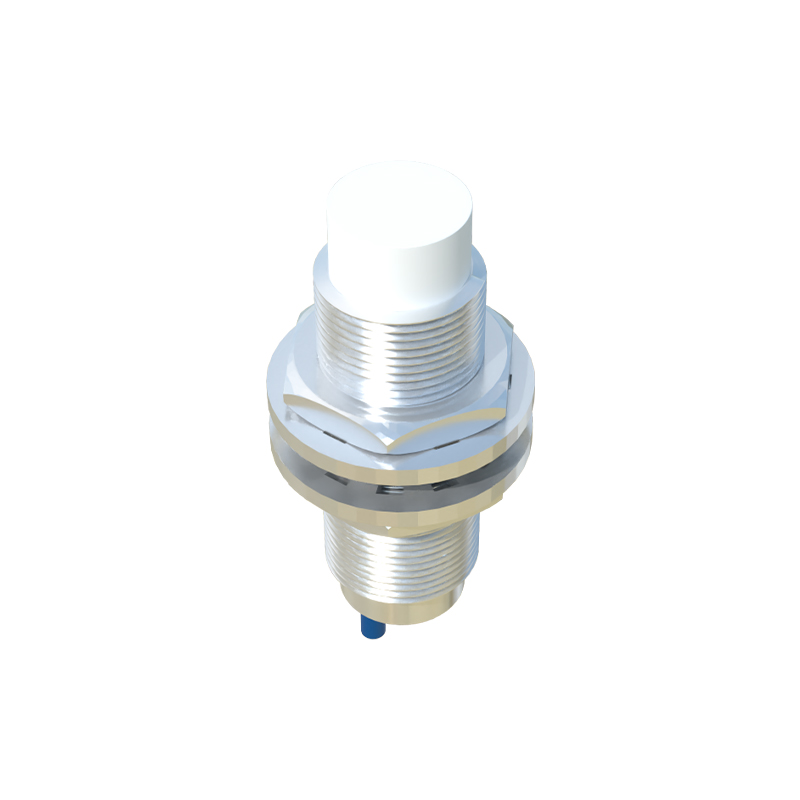
In conclusion, the M18 infrared proximity sensor is a workhorse of industrial sensing. Its combination of a robust physical design, effective infrared sensing technology, and standardized form factor provides a reliable solution for non-contact detection. By carefully considering the application requirements—sensing distance, object characteristics, environmental conditions, and electrical interface—engineers can leverage these sensors to enhance automation system efficiency, safety, and precision. As industries continue to evolve towards smarter, more connected systems, the fundamental role of dependable components like the M18 IR proximity switch remains firmly entrenched.