In the rapidly evolving landscape of industrial automation and smart manufacturing, proximity sensors have become indispensable components. These non-contact devices detect the presence or absence of objects, enabling precise control, safety, and efficiency in countless applications from automotive assembly lines to consumer electronics. The market is dominated by several key players who consistently push the boundaries of technology, reliability, and innovation. This article provides an insightful overview of the leading proximity sensor manufacturers based on their market share, technological prowess, product diversity, and global influence.
First and foremost, Sick AG (Germany) stands as a titan in the sensor technology arena. Renowned for its high-precision and robust sensors, Sick offers an extensive portfolio including inductive, capacitive, and magnetic proximity sensors. Their products are engineered for extreme conditions, featuring exceptional resistance to environmental factors like dust, moisture, and temperature fluctuations. Sick's strong focus on Industry 4.0 and IoT integration makes their sensors a preferred choice for advanced automated systems. Their global service network and commitment to R&D solidify their top-tier position.
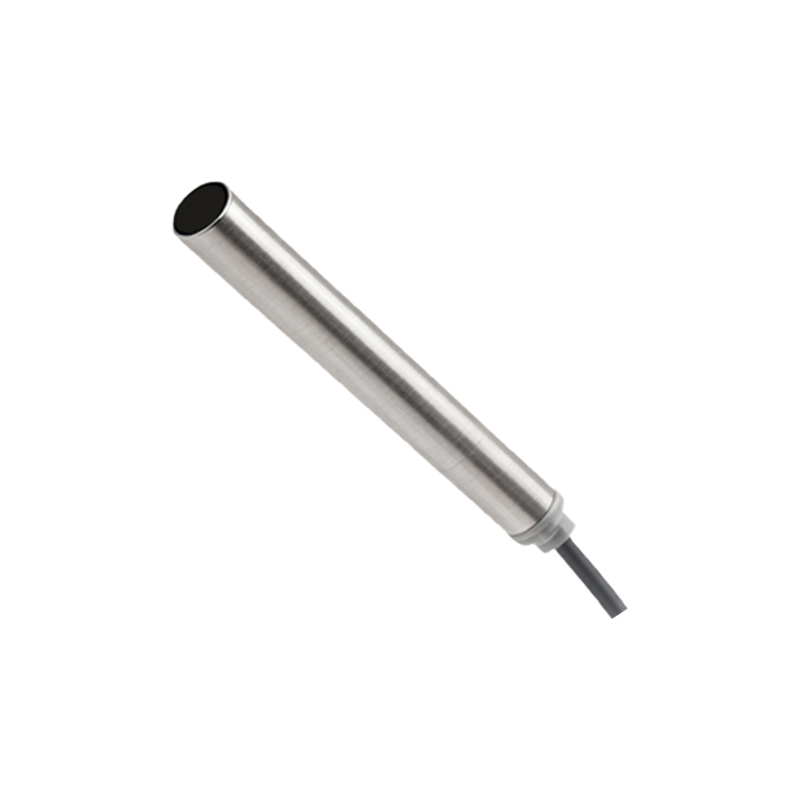
Following closely is Omron Corporation (Japan), a name synonymous with quality and innovation in automation. Omron's proximity sensor range is vast, covering miniature models for compact spaces to heavy-duty variants for harsh industrial environments. Their E2E series, for instance, is celebrated for its durability and stable detection capabilities. Omron excels in integrating sensing solutions with control systems, providing seamless connectivity and smart factory solutions. Their continuous investment in developing energy-efficient and long-life sensors keeps them at the forefront of the industry.
Pepperl+Fuchs (Germany) is another European powerhouse specializing in sensor and intrinsic safety technology. They are particularly dominant in hazardous areas, offering intrinsically safe and explosion-proof proximity sensors for oil, gas, and chemical industries. Their innovative designs, such as factor 1 sensors that eliminate the need for adjustment, set industry standards. Pepperl+Fuchs emphasizes customization, providing tailored solutions that meet specific client requirements, which enhances their reputation as a reliable and versatile partner.
From the United States, Rockwell Automation (Allen-Bradley) commands significant respect. Their proximity sensors are integral components within their broader ecosystem of control and information solutions. Known for ruggedness and interoperability with Rockwell's PLCs and drives, these sensors ensure high performance in demanding North American manufacturing sectors like automotive and packaging. Rockwell's emphasis on digital transformation and connected enterprise solutions adds substantial value to their sensor offerings.
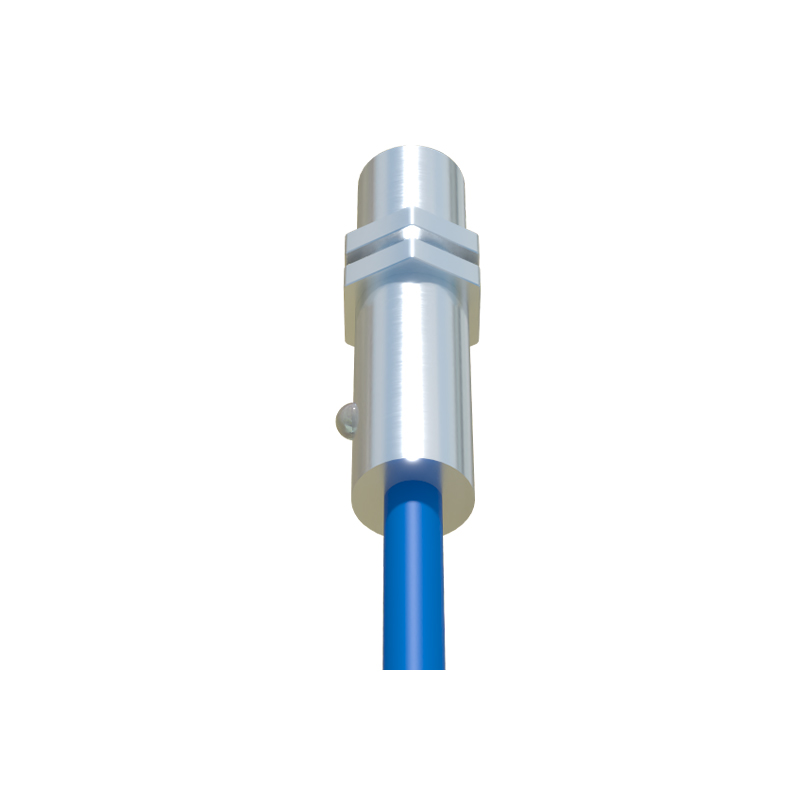
Balluff GmbH (Germany) is celebrated for its innovation in miniaturization and IO-Link communication technology. Balluff's sensors are compact yet powerful, ideal for space-constrained applications in robotics and electronics manufacturing. They are pioneers in integrating smart sensor diagnostics and data exchange capabilities via IO-Link, facilitating predictive maintenance and process optimization. Their global presence and strong technical support network make them a key contender.
IFM Electronic (Germany) rounds out the European dominance with a comprehensive range of proximity sensors known for user-friendly design and reliability. IFM places a strong emphasis on ease of installation and maintenance, with features like quick-disconnect connectors and clear diagnostic indicators. Their sensors are widely used in material handling, food and beverage, and automotive industries. IFM's strategy of offering complete system solutions, including evaluation units and connectivity modules, strengthens their market position.
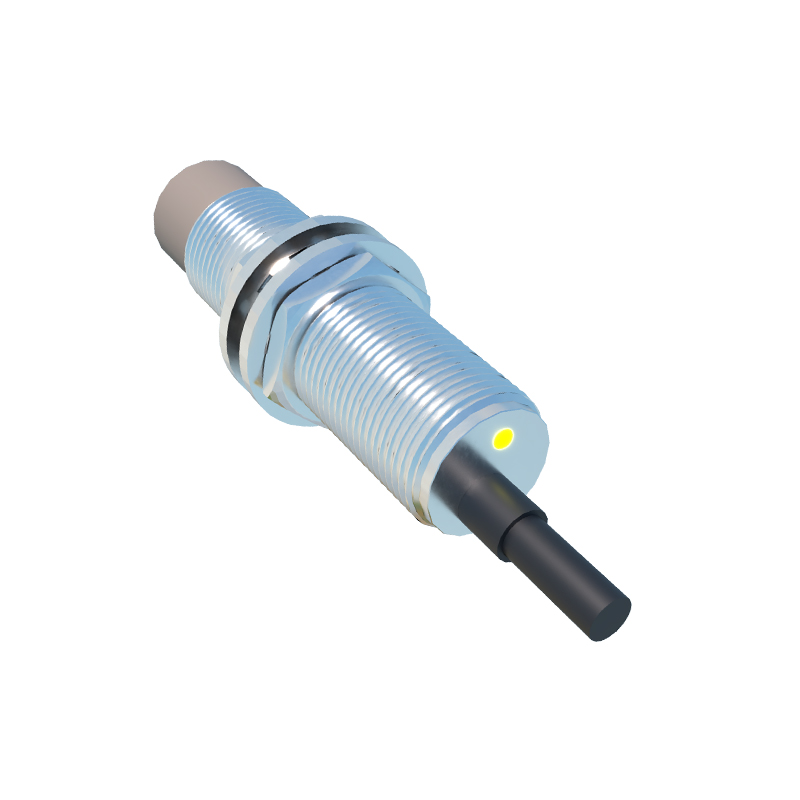
Emerging and notable players also deserve mention. Turck (Germany) offers highly versatile and ruggedized sensors, while Panasonic Corporation (Japan) provides cost-effective and high-performance options, particularly in capacitive sensing. Schneider Electric (France) and Siemens AG (Germany) leverage their extensive industrial automation portfolios to offer integrated proximity sensing solutions.
The ranking of these companies is dynamic, influenced by factors such as regional market demands, technological breakthroughs in areas like M12 micro-sensors or ultrasonic variants, and strategic mergers. A successful manufacturer today must not only produce reliable hardware but also excel in software integration, cybersecurity for connected devices, and sustainable manufacturing practices.
In conclusion, the global proximity sensor market is led by established European and Japanese giants who combine engineering excellence with strategic innovation. Companies like Sick, Omron, and Pepperl+Fuchs set the benchmark for quality and specialization. As industries continue to automate and digitize, the demand for smarter, more connected, and more robust proximity sensors will only grow, ensuring these leaders—and agile innovators—remain critical to the future of manufacturing and beyond.