Laser distance sensor RTUs (Remote Terminal Units) represent a significant advancement in industrial measurement and automation technology. These devices combine the precision of laser-based distance measurement with the robust communication capabilities of RTUs, enabling real-time monitoring and control across vast industrial networks. Unlike traditional sensors that require complex wiring and localized data processing, laser distance sensor RTUs transmit accurate distance data over long distances using various industrial protocols such as Modbus, Profibus, or wireless networks. This integration is particularly valuable in applications like bulk material level monitoring in silos, conveyor belt alignment checks, and structural deformation measurement in large-scale infrastructure.
The core technology relies on time-of-flight or phase-shift laser measurement principles. A laser diode emits a focused beam toward a target; the sensor then calculates the distance by measuring the time taken for the reflection to return or by analyzing the phase shift of the modulated laser signal. This method offers high accuracy, often within millimeter ranges, even over distances of several hundred meters. The RTU component digitizes this measurement and packages it with other I/O data—such as temperature or vibration readings—for transmission to a central SCADA (Supervisory Control and Data Acquisition) system. This allows operators to monitor multiple points from a control room, enhancing operational efficiency and safety.
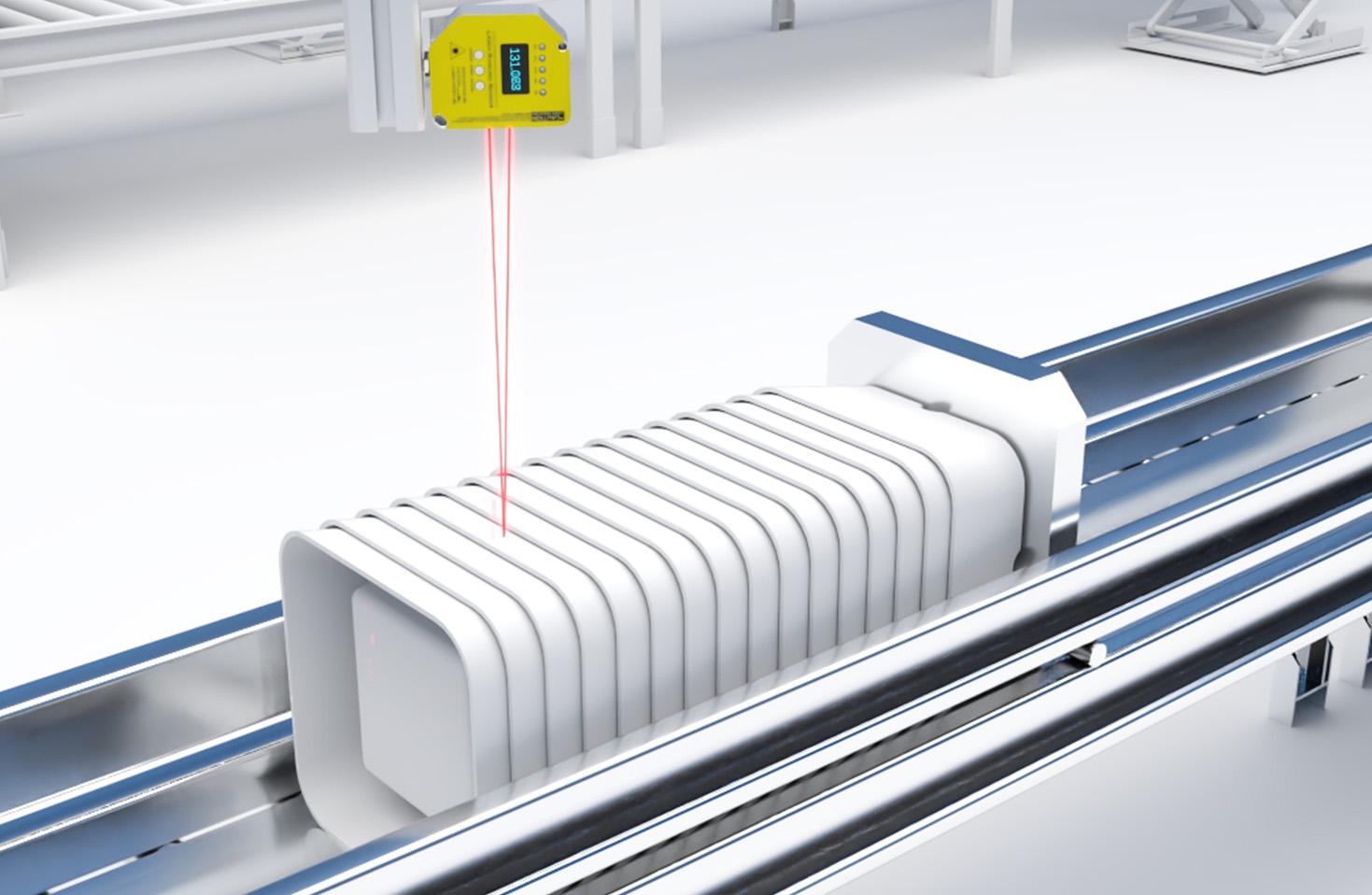
Key advantages of deploying laser distance sensor RTUs include their non-contact nature, which eliminates mechanical wear and reduces maintenance needs. They perform reliably in harsh environments with dust, moisture, or extreme temperatures, especially when housed in rugged, IP-rated enclosures. Furthermore, their low power consumption and support for solar or battery power make them ideal for remote or off-grid installations, such as in mining sites or agricultural storage facilities. Modern units also feature advanced diagnostics, enabling predictive maintenance by alerting users to potential issues like lens contamination or signal degradation before they lead to system failures.
In practice, integrating these sensors into an industrial network requires careful planning. Factors such as target surface properties (reflectivity, color), environmental interference (fog, steam), and communication latency must be considered. For instance, highly reflective surfaces may cause signal saturation, while dark, absorbent materials might weaken the return beam. Many RTUs now incorporate automatic calibration and filtering algorithms to compensate for these variables. Additionally, cybersecurity measures are crucial, as networked RTUs can be vulnerable to intrusions; employing encrypted protocols and regular firmware updates is recommended to protect data integrity.
Looking ahead, the convergence of laser sensor RTUs with IoT (Internet of Things) platforms is driving smarter automation. By leveraging cloud analytics and AI, data from these units can optimize processes—for example, predicting inventory levels in logistics or detecting early signs of equipment misalignment in manufacturing. As industries increasingly adopt Industry 4.0 standards, laser distance sensor RTUs will continue to evolve, offering higher precision, faster sampling rates, and seamless integration with digital twin technologies. Their role in enabling autonomous systems and enhancing operational visibility underscores their importance in the future of industrial automation.