In the realm of industrial automation and electrical control systems, the selection of the right sensing technology is paramount for ensuring reliability, efficiency, and safety. Two fundamental categories of devices used for object detection and position sensing are proximity sensors and contact switches. While both serve the ultimate purpose of detecting the presence or absence of a target, their operational principles, applications, and performance characteristics differ significantly. This guide delves into the technical distinctions, advantages, and ideal use cases for each, providing electrical engineers with the insights needed for optimal component selection.
Understanding Contact Switches
Contact switches, often referred to as limit switches or mechanical switches, are the traditional workhorses of industrial sensing. Their operation is fundamentally physical and straightforward. A contact switch typically consists of an actuator (like a lever, roller, or plunger) mechanically linked to a set of electrical contacts. When a target object makes physical contact with the actuator, it moves, thereby changing the state of the internal contacts—either opening (NO) or closing (NC) an electrical circuit. This direct mechanical action provides a clear, unambiguous signal.
The primary advantages of contact switches are their simplicity, robustness, and ease of understanding. They are generally low-cost, can switch relatively high currents and voltages directly without additional interfaces, and provide a tangible, audible, or visual confirmation of operation. Their design is often rugged, capable of withstanding harsh environmental conditions like dust, moisture, and vibration when properly housed. However, their inherent limitations stem from the need for physical contact. Mechanical wear and tear on the actuator and contacts eventually leads to failure, necessitating maintenance or replacement. The operating speed is limited by mechanical movement, and they are unsuitable for detecting fragile objects or applications where contact could cause damage or contamination.
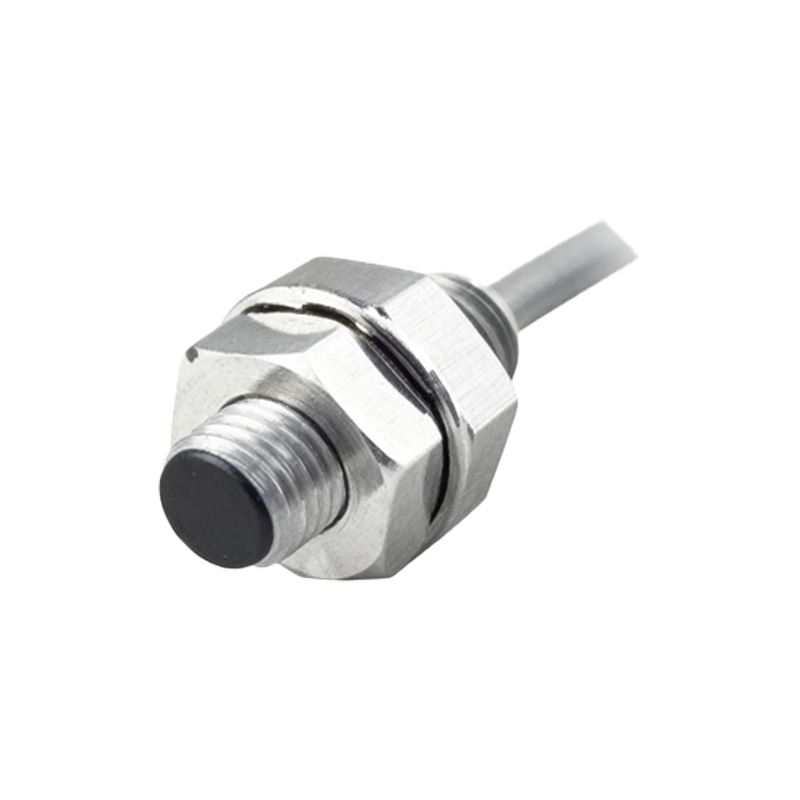
Exploring Proximity Sensors
Proximity sensors represent a more modern, non-contact approach to detection. They emit a field or beam and sense changes in that field caused by the presence of a target object within their sensing range, without any physical contact. The most common types include:
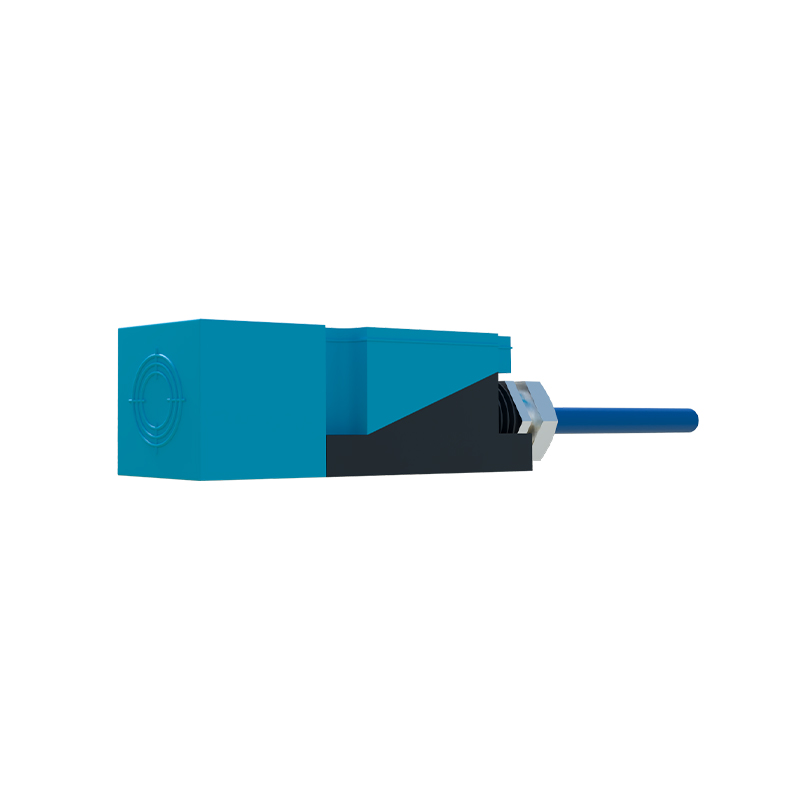
Inductive Proximity Sensors: Detect metallic (primarily ferrous) targets by generating an electromagnetic field. The presence of a metal object induces eddy currents, which the sensor detects.
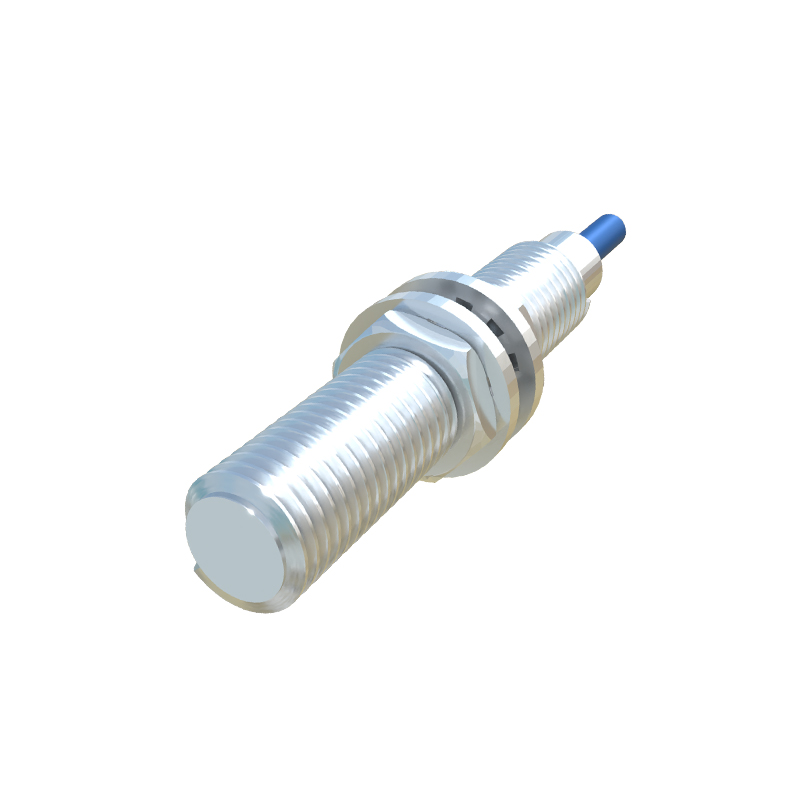
Capacitive Proximity Sensors: Detect both metallic and non-metallic materials (liquids, plastics, wood, etc.) by sensing changes in capacitance caused by the target entering an electrostatic field.
Photoelectric Sensors: Use a beam of light (visible or infrared) to detect objects. The detection occurs when the target interrupts (through-beam) or reflects (retro-reflective, diffuse) the light beam.
Ultrasonic Sensors: Emit high-frequency sound waves and measure the time for the echo to return, detecting objects based on distance.
The key benefits of proximity sensors are their non-contact operation, high switching speeds, long operational life (no moving parts to wear out), and consistency. They are ideal for high-cycle applications, counting tasks, and detecting delicate, small, or fast-moving objects. Their sealed housings often provide high Ingress Protection (IP) ratings, making them suitable for washdown or explosive environments. The drawbacks include a typically higher initial cost compared to basic contact switches, sensitivity to environmental interference (e.g., other sensors, electrical noise, target material properties), and the requirement for a specific sensing range and target composition.
Comparative Analysis and Selection Criteria
Choosing between a proximity sensor and a contact switch depends on a detailed analysis of the application requirements:
Nature of Detection: If physical contact is acceptable or even desirable for confirmation (e.g., a safety gate interlock), a contact switch is suitable. For non-contact detection, a proximity sensor is mandatory.
Target Material: For metallic objects, inductive sensors are highly reliable. For diverse materials including liquids or plastics, capacitive or photoelectric sensors are needed. Contact switches are generally material-agnostic, relying only on physical force.
Operating Environment: Extremely dirty, oily, or high-vibration environments can sometimes favor ruggedized contact switches, though many proximity sensors are equally robust. Environments with heavy washdown or explosive atmospheres often favor specially sealed proximity sensors.
Speed and Frequency: High-speed production lines or rapid counting applications demand the fast response of proximity sensors (often in milliseconds or microseconds). Mechanical switches are slower.
Lifecycle Cost: While contact switches have a lower initial cost, the maintenance and replacement costs due to mechanical wear can be significant over time. Proximity sensors, with no moving parts, offer a lower total cost of ownership in high-cycle applications despite a higher upfront investment.
Output and Integration: Modern proximity sensors typically provide solid-state outputs (PNP/NPN) compatible with programmable logic controllers (PLCs).