In the realm of industrial automation and control systems, the proximity sensor control module stands as a critical interface component, bridging the gap between raw sensor data and actionable machine commands. Fundamentally, a proximity sensor control module is an electronic unit designed to process the signals generated by non-contact proximity sensors and convert them into a clean, reliable output suitable for programmable logic controllers (PLCs), motor drives, or other control devices. Unlike a simple sensor, which merely detects the presence or absence of an object, the control module adds a layer of intelligence, conditioning, and connectivity.
The core function of a proximity sensor control module is signal conditioning. Inductive, capacitive, or ultrasonic proximity sensors generate analog or discrete signals that can be weak, noisy, or incompatible with the voltage and current requirements of the control system. The module amplifies, filters, and converts these signals. For instance, it might convert a tiny analog voltage change from a capacitive sensor into a robust 24V DC digital signal—a universal language in industrial panels. This ensures reliable communication even in electrically noisy factory environments, preventing false triggers and ensuring system stability.
Beyond basic conditioning, modern modules offer sophisticated programmability and diagnostic features. Engineers can configure parameters such as sensing range, response time, hysteresis, and output delay directly on the module, often via DIP switches, potentiometers, or software interfaces. This flexibility allows for fine-tuning the sensor's behavior to match specific application needs, such as ignoring small or fast-moving objects or creating a window of operation. Advanced diagnostic LEDs are a standard feature, providing immediate visual feedback on power status, sensor activity, and output state, which is invaluable for rapid troubleshooting and reducing machine downtime.
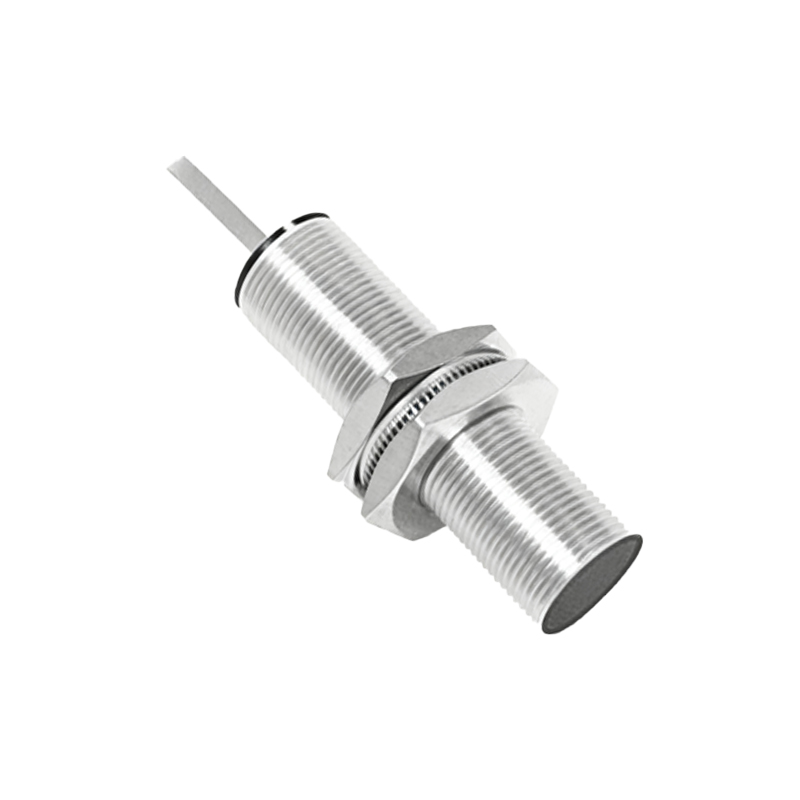
Integration is another key aspect. A proximity sensor control module typically provides multiple output types, including NPN (sinking), PNP (sourcing), relay contacts, and analog outputs (0-10V, 4-20mA). This versatility allows a single module type to interface with a wide array of control systems from different manufacturers. Furthermore, modules are designed for easy mounting on standard DIN rails within control cabinets, featuring pluggable connectors for swift wiring and replacement, aligning with the demands of modular and maintainable system design.
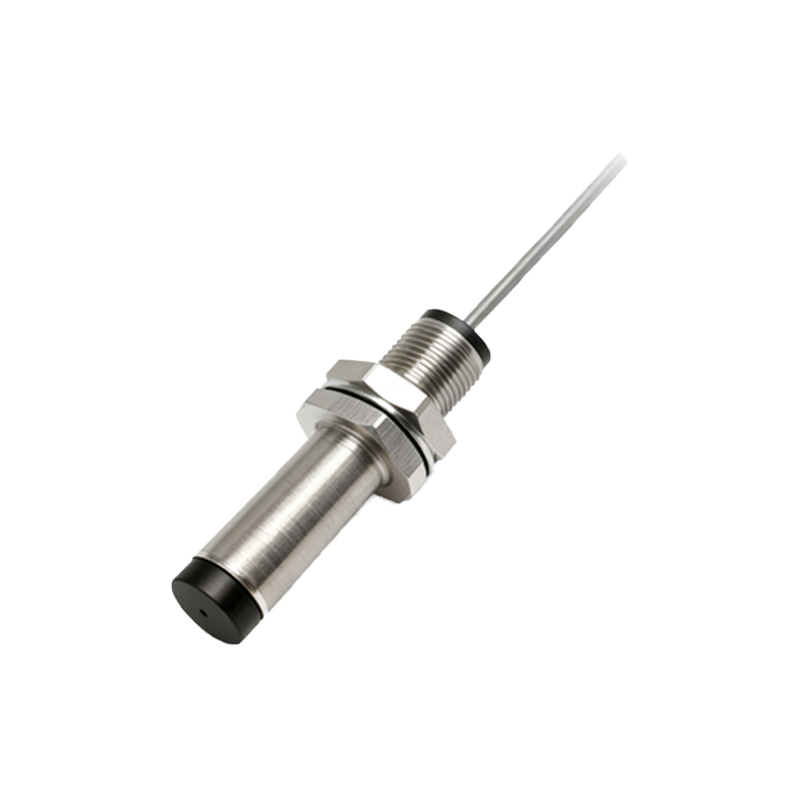
The applications of these modules are vast and integral to automated processes. In automotive assembly lines, they manage the precise positioning of robotic arms by confirming the presence of chassis components. In packaging machinery, they control counting and sorting operations by detecting products on a conveyor. In material handling, they ensure safety by monitoring the position of guards and doors. Essentially, wherever there is a need for reliable, non-contact detection to initiate, sequence, or halt an automated action, a proximity sensor control module is likely at work.
Selecting the right module requires careful consideration of several factors. The first is compatibility with the sensor type (inductive for metals, capacitive for non-metals, ultrasonic for various materials) and its electrical characteristics. The input voltage range (commonly 12-24V DC or 90-250V AC) must match the plant's power supply. The required output type and load capacity must align with the PLC input card or relay it will drive. Environmental ratings, such as IP67 for dust and water resistance, are crucial for harsh installations. Finally, features like short-circuit protection, reverse polarity protection, and overload protection add layers of robustness to the system.
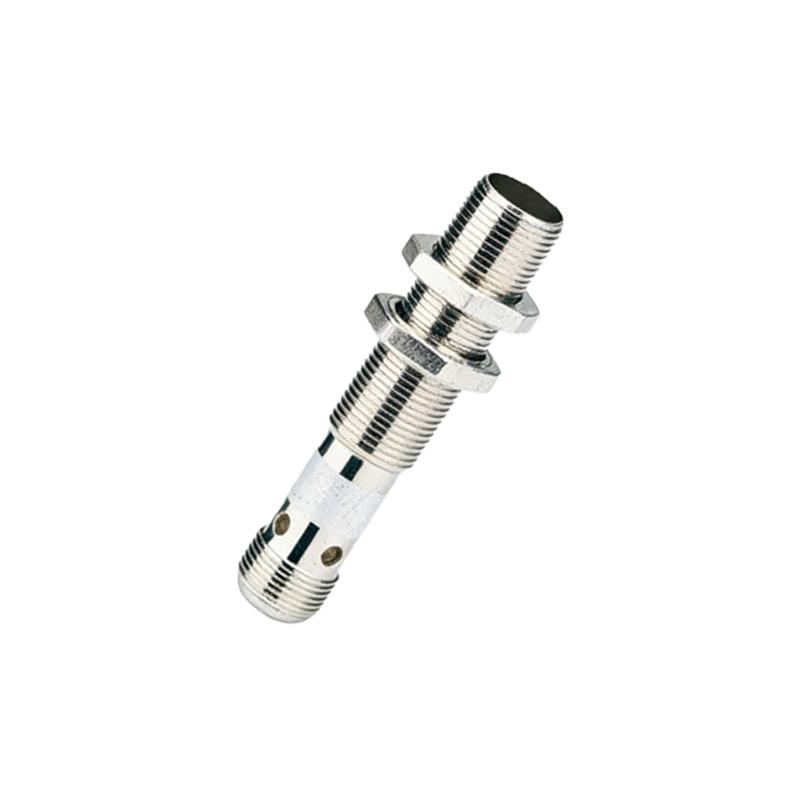
In conclusion, the proximity sensor control module is far more than a passive adapter; it is an active, intelligent node in the automation network. It enhances the raw capability of a proximity sensor by providing signal integrity, configurable logic, and seamless integration. For system designers and maintenance engineers, a deep understanding of these modules is essential for building reliable, efficient, and easily maintainable automated systems. As Industry 4.0 advances, these modules continue to evolve, incorporating IO-Link and other digital communication protocols for even greater data transparency and integration into the Industrial Internet of Things (IIoT), solidifying their role as indispensable components in smart manufacturing.