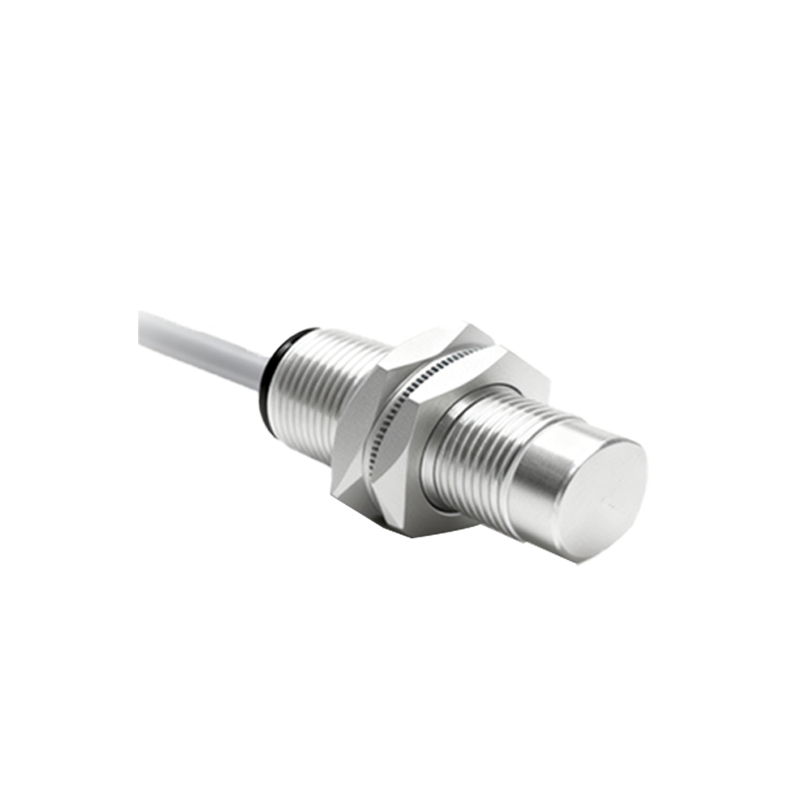
In the evolving landscape of aquaculture and marine research, proximity fish detection sensors have emerged as a pivotal technological advancement. These sensors are designed to monitor fish presence, behavior, and movement in aquatic environments with high precision, offering significant benefits for both commercial and scientific applications. By leveraging various sensing principles, such as ultrasonic, infrared, and capacitive technologies, these devices provide real-time data that enhances operational efficiency, promotes sustainable practices, and supports ecological studies.
The core functionality of proximity fish detection sensors lies in their ability to detect fish without physical contact. Ultrasonic sensors, for instance, emit sound waves that reflect off fish bodies, allowing for accurate distance and size measurements. This non-invasive approach minimizes stress on aquatic life, making it ideal for monitoring fish health in aquaculture farms. Infrared sensors, on the other hand, detect thermal signatures or light reflections, useful in low-visibility conditions like murky water or nighttime operations. Capacitive sensors measure changes in electrical fields caused by fish movement, offering sensitivity to subtle activities. Each technology has its strengths, and selecting the right sensor depends on factors such as water clarity, fish species, and environmental conditions.
In aquaculture, proximity sensors play a crucial role in optimizing feeding systems. By detecting fish proximity to feeders, these sensors enable automated feeding mechanisms that dispense food only when fish are present, reducing waste and improving growth rates. This not only cuts costs but also mitigates water pollution from uneaten feed. Additionally, sensors help monitor fish density and distribution within tanks or cages, preventing overcrowding and reducing the risk of disease outbreaks. For species like salmon or tilapia, which require specific environmental conditions, sensors ensure that water quality parameters, such as oxygen levels and temperature, are maintained by triggering adjustments in aeration or cooling systems.
Marine research benefits immensely from proximity fish detection sensors as well. Scientists use these devices to study migratory patterns, breeding behaviors, and population dynamics in natural habitats. Deployed in oceans, rivers, or lakes, sensors collect long-term data on fish movements, contributing to conservation efforts and ecosystem management. For example, in tracking endangered species, sensors provide insights into habitat preferences and threats, aiding in the development of protective measures. The integration of wireless connectivity and IoT (Internet of Things) platforms allows researchers to access data remotely, facilitating large-scale studies without constant physical presence.
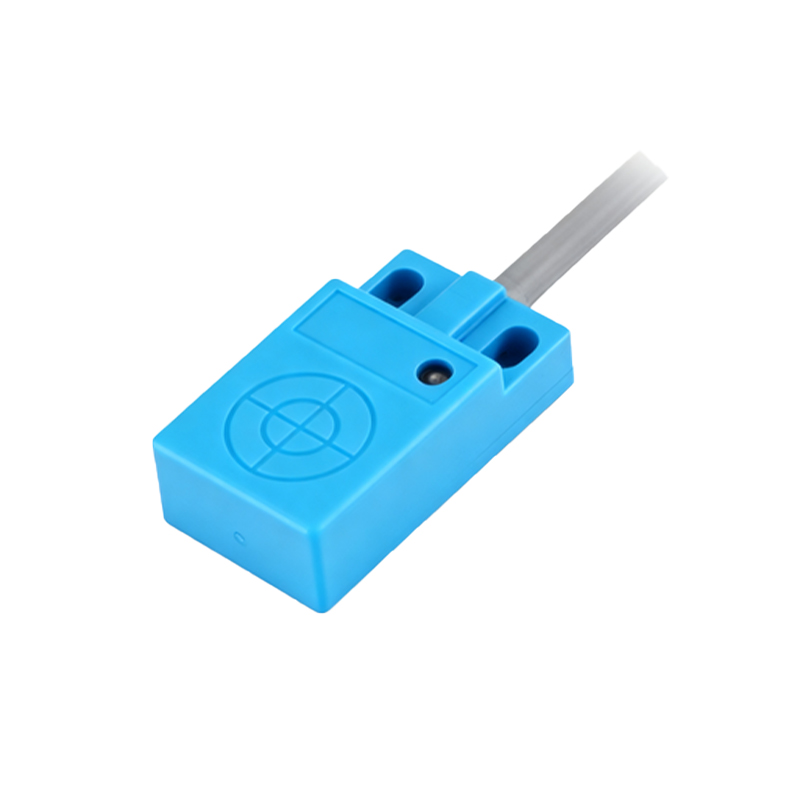
The design and implementation of these sensors require careful consideration of durability and accuracy. Aquatic environments pose challenges like corrosion, biofouling, and pressure variations, so sensors are often housed in waterproof, robust materials like stainless steel or specialized plastics. Calibration is essential to account for factors such as water salinity and temperature, which can affect sensor performance. Modern advancements include AI-driven algorithms that analyze sensor data to identify fish species or predict behaviors, enhancing the value of collected information.
Despite their advantages, challenges remain in the widespread adoption of proximity fish detection sensors. High initial costs can be a barrier for small-scale aquaculture operations, though long-term savings often justify the investment. Technical issues, such as interference from debris or other aquatic organisms, may require regular maintenance. However, ongoing research aims to improve affordability and reliability, with innovations like solar-powered sensors and machine learning models that adapt to changing conditions.
In conclusion, proximity fish detection sensors represent a transformative tool for the aquatic industry. By enabling non-intrusive monitoring, they support sustainable aquaculture practices and advance marine science. As technology continues to evolve, these sensors are poised to become even more integral to managing aquatic resources, ensuring food security, and preserving biodiversity. For engineers and stakeholders, staying informed about sensor developments is key to harnessing their full potential in a rapidly changing world.