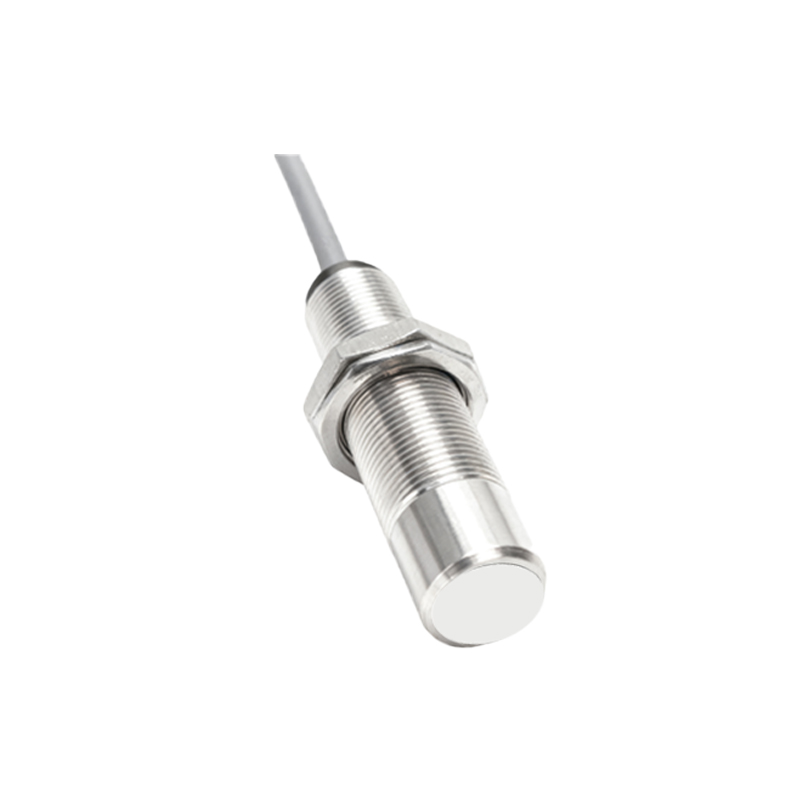
In the realm of industrial automation and control systems, magnetic switch proximity sensors stand as a cornerstone technology for non-contact detection and position sensing. These robust devices operate on a fundamental principle: they detect the presence or absence of a magnetic field, typically generated by a permanent magnet. Unlike optical or capacitive sensors, magnetic switches are uniquely immune to environmental challenges such as dust, dirt, oil, and moisture, making them indispensable in harsh operating conditions. The core mechanism involves a hermetically sealed reed switch or a solid-state Hall-effect element. When a target magnet approaches within a specified sensing range, the magnetic field actuates the switch, causing it to change state—either opening or closing an electrical circuit. This simple yet reliable action provides a clear signal to programmable logic controllers (PLCs) or other control units, triggering predefined operations like counting, positioning, or safety interlocks.
The applications for magnetic switch proximity sensors are vast and varied across numerous industries. In the automotive sector, they are crucial for detecting seat belt engagement, gearbox position, and door/window status. Within manufacturing and material handling, these sensors monitor the position of cylinders in pneumatic and hydraulic systems, control conveyor belt operations, and ensure precise end-of-travel limits for moving parts. Their reliability is paramount in safety-critical applications, such as confirming the closed position of machine guards or elevator doors. Furthermore, their simple design translates to exceptional longevity and minimal maintenance requirements, often enduring tens of millions of switching cycles without failure. This durability, combined with their ability to function without physical contact with the target, eliminates mechanical wear and tear, a significant advantage over traditional mechanical limit switches.
When selecting a magnetic switch proximity sensor for a specific application, several key parameters must be carefully evaluated. The sensing distance, or operating point, is primary; it defines how close the magnet must be to reliably trigger the sensor. Engineers must consider the magnet's strength, size, and orientation, as these factors directly influence the effective sensing range. The sensor's electrical characteristics are equally critical, including the supply voltage (e.g., 5-24V DC or 90-250V AC), output type (e.g., normally open (NO), normally closed (NC), or changeover), and current rating. Environmental specifications such as ingress protection (IP) rating for dust and water resistance, operating temperature range, and resistance to shock and vibration must align with the installation environment. For applications involving strong external magnetic fields or ferrous metal chips, shielded versions or sensors with hysteresis (a difference between the switch-on and switch-off points) are recommended to prevent false triggering.
Installation and wiring practices significantly impact sensor performance and lifespan. Proper alignment between the sensor and the moving magnet is essential; axial, lateral, and head-on approaches each have different characteristic sensing curves. The sensor should be securely mounted to avoid movement, and wiring should be routed away from high-current cables to prevent electromagnetic interference. For reed switch types, it is vital to avoid mechanical stress on the glass enclosure. Regular functional testing, even in seemingly stable systems, is a best practice to ensure ongoing reliability. As technology advances, modern magnetic sensors increasingly incorporate integrated electronics, offering features like short-circuit protection, reverse polarity protection, and LED status indicators, further enhancing their robustness and ease of use in complex control architectures.
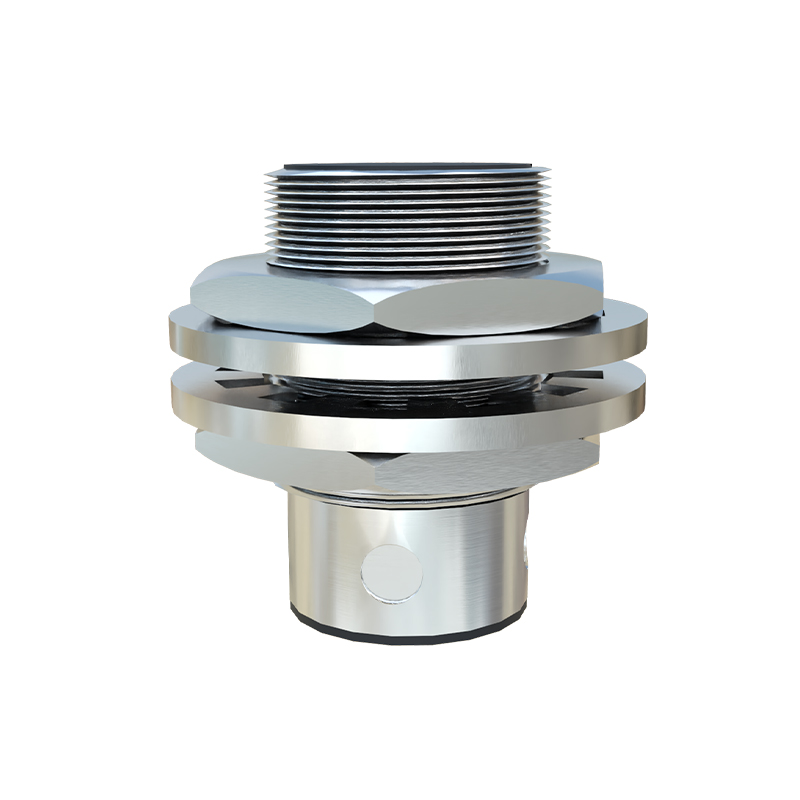
In conclusion, magnetic switch proximity sensors offer a blend of simplicity, reliability, and environmental resilience that is unmatched for many detection tasks. Their operation, based on the fundamental interaction with a magnetic field, provides a clean and repeatable switching signal. By understanding their operating principles, meticulously matching their specifications to the application's demands, and following sound installation guidelines, engineers and technicians can leverage these versatile components to build more reliable, efficient, and safe automated systems. Their continued evolution with enhanced protective features and diagnostics ensures they will remain a vital component in the industrial sensor landscape for the foreseeable future.