In the realm of industrial automation and control systems, 24V proximity sensors are indispensable components. They provide non-contact detection of metallic or non-metallic objects, ensuring precise, reliable, and efficient operations in machinery, assembly lines, and safety systems. Selecting the right brand is crucial for performance, durability, and cost-effectiveness. This article presents a ranking of top 24V proximity sensor brands based on industry reputation, technological innovation, product range, and global support.
Leading the list is Sick AG, a German powerhouse renowned for its high-precision sensors. Sick's 24V inductive and capacitive proximity sensors offer exceptional accuracy, robust housing for harsh environments, and advanced diagnostics. Their products are widely used in automotive, packaging, and material handling industries, with a strong focus on Industry 4.0 integration.
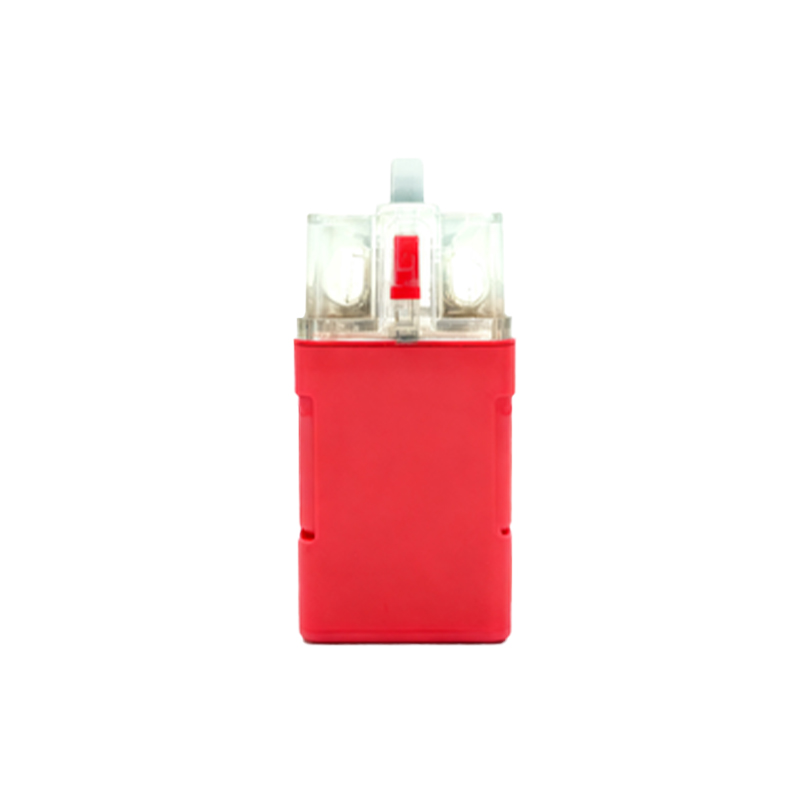
Next is Omron Corporation, a Japanese leader in automation technology. Omron's 24V proximity sensor lineup features compact designs, long sensing distances, and high-speed response times. Brands like the E2E series are industry standards, known for reliability in diverse applications from electronics manufacturing to food processing. Omron also provides extensive technical documentation and global service networks.
Pepperl+Fuchs follows closely, specializing in sensor and intrinsic safety solutions. This German brand excels in producing 24V sensors for explosive or corrosive environments, such as chemical plants and oil refineries. Their inductive and ultrasonic sensors are praised for durability and compliance with international standards like ATEX and IECEx.
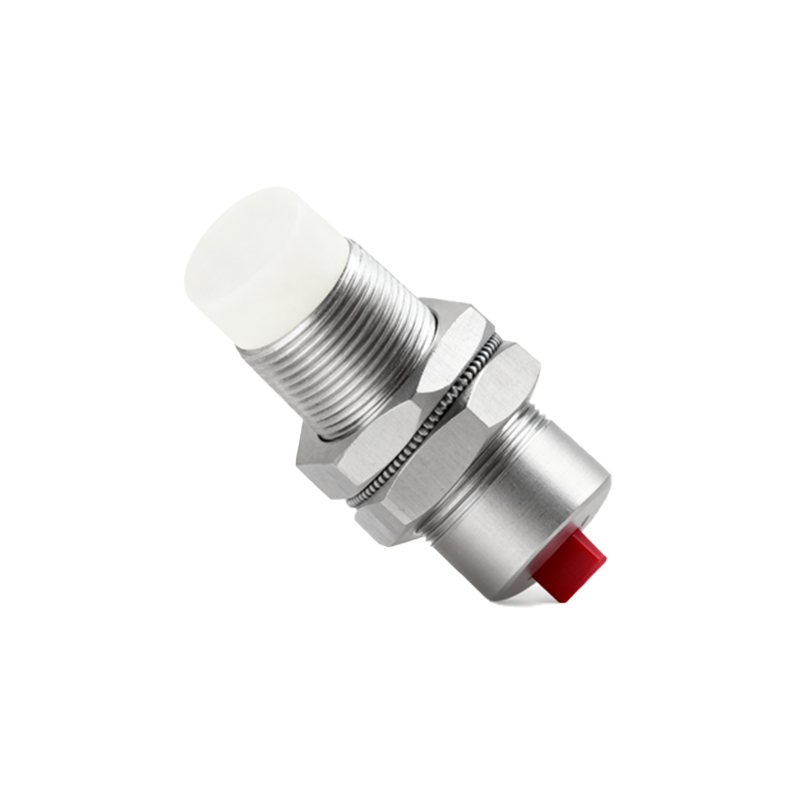
Balluff GmbH, another German expert, ranks high for innovation and customization. Balluff's 24V sensors include RFID-integrated models and IO-Link compatible versions, enabling smart factory connectivity. They cater to automotive and robotics sectors, offering sensors with high immunity to electromagnetic interference.
Rockwell Automation (Allen-Bradley) represents top-tier American engineering. Their 24V proximity sensors, part of the Allen-Bradley portfolio, are favored in heavy industries like mining and energy for ruggedness and seamless integration with Rockwell control systems. Features include LED status indicators and adjustable sensing ranges.
IFM Electronic, a German family-owned company, is noted for user-friendly and efficient sensors. IFM's 24V models often incorporate condition monitoring capabilities, predicting maintenance needs to reduce downtime. Their products are common in conveyor systems and mobile machinery.
Turck stands out for versatility and connectivity solutions. This German brand offers 24V sensors with multiprotocol support (e.g., PROFINET, EtherNet/IP) and high IP ratings for dust and water resistance. Turck's sensors are ideal for automotive and logistics applications requiring flexible installation.
Keyence Corporation, a Japanese innovator, brings advanced features like ultra-high-speed detection and color recognition to 24V proximity sensors. Keyence focuses on R&D, delivering sensors with exceptional precision for electronics and semiconductor manufacturing, though often at a premium price.
Schneider Electric, a French multinational, provides reliable 24V sensors under brands like Telemecanique Sensors. They emphasize energy efficiency and easy integration into building and industrial automation systems, with a broad distribution network worldwide.
Banner Engineering, an American firm, rounds out the list with cost-effective and robust solutions. Banner's 24V sensors are popular in packaging and material handling for their bright LED indicators and rugged metal or polymer housings.
When choosing a 24V proximity sensor brand, consider factors like application environment, required sensing distance, output type (PNP/NPN), and connectivity needs. Top brands typically offer certifications (e.g., UL, CE), warranty support, and compatibility with industrial networks. Investing in reputable brands ensures long-term reliability, reduced maintenance costs, and enhanced system productivity. As Industry 4.0 evolves, expect more smart sensors with IoT capabilities from these leaders, driving efficiency in automated processes globally.