For users and technicians within the consumer electronics and mobile device repair industry, understanding the precise location and function of key hardware components is fundamental. The Huawei Nova 5 Pro, a sophisticated smartphone model, incorporates a proximity sensor crucial for its intuitive user interface. This article provides a detailed, professional examination of the proximity sensor's placement, its operational role, and related technical considerations.
The proximity sensor in the Huawei Nova 5 Pro is a non-contact infrared (IR) type sensor. Its primary function is to detect the presence of nearby objects, most commonly the user's face or ear, during a phone call. Upon detection, it signals the system to deactivate the touchscreen display. This serves a dual purpose: it prevents accidental screen touches (like muting the call or pressing dial pad buttons with your cheek) and conserves battery power by turning off the display when not needed.
Physical Location and Identification
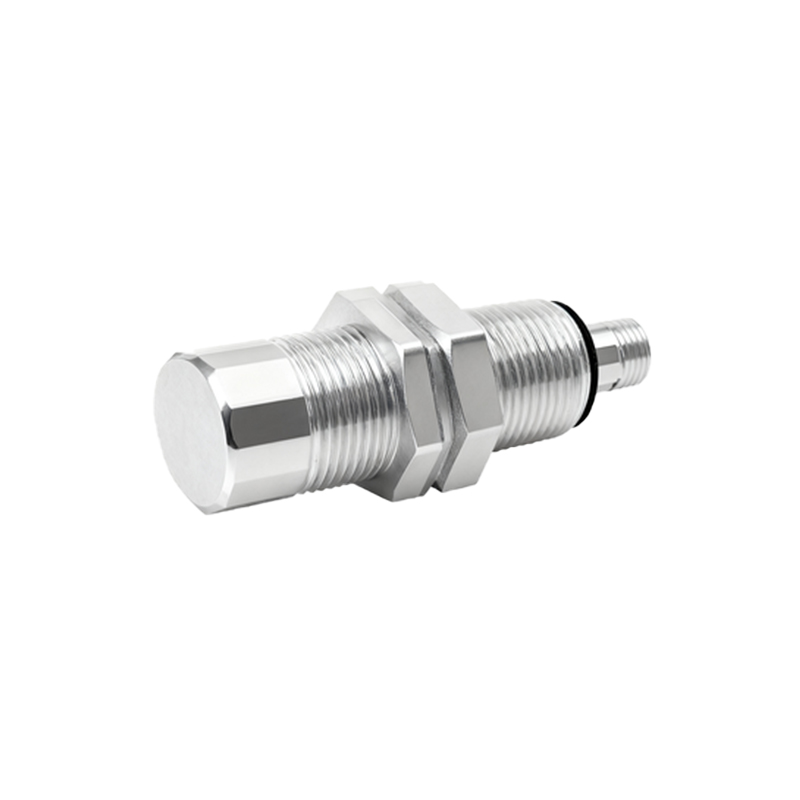
On the Huawei Nova 5 Pro, the proximity sensor is not a standalone, visibly distinct component. It is part of a multi-sensor module housed within the very narrow bezel at the top of the front display panel. This area is commonly referred to as the "notch" or "dew-drop" style front camera housing.
To locate it precisely:
1. Observe the top edge of the phone's screen.
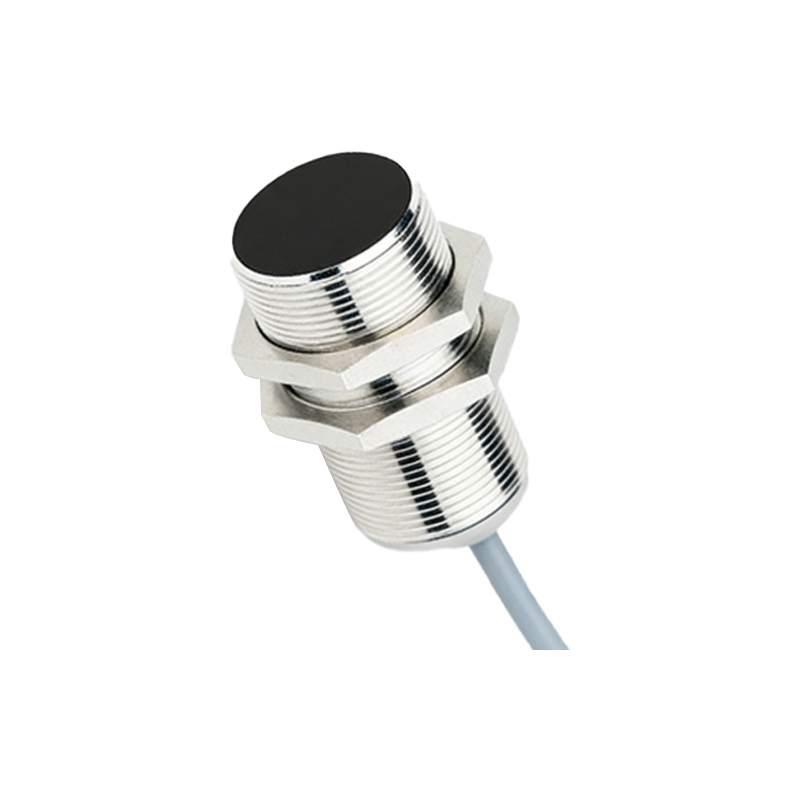
2. You will see a small, elongated black cutout area surrounding the front-facing camera lens.
3. Within this blacked-out region, adjacent to the camera lens, are several tiny openings and a barely visible, translucent window. The proximity sensor and the ambient light sensor are situated behind this window or specific micro-perforations.
4. The sensor is typically positioned on one side (either left or right) of the front camera lens, with the ambient light sensor on the opposite side. Their exact arrangement is compact and integrated seamlessly into the phone's industrial design.
Technical Operation and Integration
The sensor works by emitting a beam of infrared light. When an object comes close to the screen, this IR light is reflected back to the sensor's receiver. The system measures the intensity of the reflected light to determine proximity. This process is continuous during calls and other relevant scenarios (like when the phone is in a pocket).
This sensor is directly connected to the device's main logic board via a flexible printed circuit (FPC). Its functionality is managed by the device's operating system (EMUI, based on Android) and underlying hardware drivers. Any software malfunction, physical obstruction, or hardware damage can impair its performance.
Common Issues and Diagnostic Steps
Symptoms of a faulty or obstructed proximity sensor include:
The screen not turning off during phone calls.
The screen remaining black after moving the phone away from your ear, requiring a power button press to wake.
Accidental activation of on-screen functions during a call.
For troubleshooting:
1. Visual Inspection: Ensure the sensor area on the top bezel is perfectly clean. Even a thin film of dirt, a poorly aligned screen protector (especially thick or metallic ones), or a case covering the sensor can block its operation.
2. Software Calibration: Some devices have built-in hardware diagnostic tools accessible via secret codes (e.g.,##2846579## to access the ProjectMenu on Huawei devices). Within such menus, there may be an option to test or calibrate the proximity sensor. A master reset can also resolve software glitches, but backup data first.
3. Physical Diagnostics: In a repair environment, technicians use specialized tools to measure the IR emission and reception. They also check for physical damage to the sensor module or its connector, which may require disassembly.
Repair and Replacement Considerations
If the sensor itself is damaged, replacement is necessary. Due to its highly integrated nature, the proximity sensor module on the Nova 5 Pro is often part of a larger sub-assembly. In many cases, it is pre-connected to the front-facing camera flex cable or is part of a combined sensor board. Therefore, replacement typically involves:
Carefully removing the back cover and internal components to access the motherboard.
Disconnecting the old flex cable assembly that houses the sensor.
Installing a new, genuine, or high-quality replacement part.
Reassembling the device and verifying functionality through testing.
It is critical to source components from reputable suppliers, as inferior quality sensors may have inconsistent detection ranges or calibration issues. Proper reassembly is also vital to ensure no gaps or misalignment affect sensor performance.
In summary, the proximity sensor on the Huawei Nova 5 Pro is a vital, though inconspicuous, component integrated into the top bezel near the front camera. Its proper function relies on an unobstructed path, correct software operation, and