In the realm of industrial automation and machinery, 9x proximity sensors have emerged as indispensable components for enhancing operational efficiency, safety, and precision. These sensors, known for their robust design and reliable performance, are widely deployed across various sectors to detect the presence or absence of objects without physical contact. This article delves into the key applications and strategic placements of 9x proximity sensors, highlighting their critical roles in modern industrial setups.
One of the primary locations for 9x proximity sensors is on assembly lines in manufacturing plants. Here, they are often mounted near conveyor belts or robotic arms to monitor the position of components. For instance, in automotive manufacturing, these sensors ensure that parts like engine blocks or chassis are correctly aligned before welding or assembly processes. By providing real-time feedback, they prevent misalignments that could lead to production delays or defects. Their non-contact nature also minimizes wear and tear, reducing maintenance costs over time.
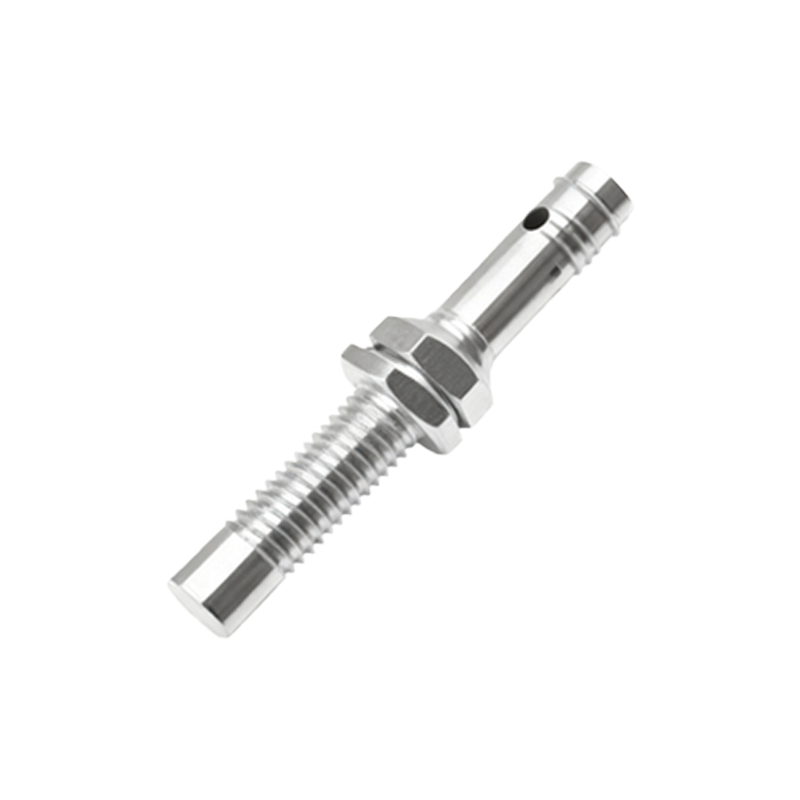
Another significant application area is in material handling systems, such as warehouses and logistics centers. 9x proximity sensors are installed on automated guided vehicles (AGVs) and palletizers to detect obstacles or track inventory movement. In high-speed sorting systems, they help identify packages on conveyors, triggering diverters to route items to appropriate destinations. This not only boosts throughput but also enhances safety by preventing collisions between equipment and personnel. The sensors' ability to operate in harsh environments—resistant to dust, moisture, and temperature fluctuations—makes them ideal for these demanding settings.
In the packaging industry, 9x proximity sensors play a crucial role in ensuring product quality and consistency. They are commonly placed near filling stations or capping machines to verify that containers are properly positioned before filling or sealing. For example, in beverage production, sensors detect bottles on a moving line, signaling actuators to dispense liquids only when a bottle is present. This reduces waste and improves efficiency by avoiding spills or overfills. Additionally, in pharmaceutical packaging, these sensors help maintain sterile conditions by monitoring lid placements without contamination risks.
Machine tools and CNC equipment also rely heavily on 9x proximity sensors for precision control. Mounted on spindles or tool changers, they detect tool presence or monitor workpiece positions during machining operations. In metalworking, sensors ensure that cutting tools are correctly engaged, preventing damage to expensive machinery. Their high-speed response and accuracy contribute to tighter tolerances and improved product quality, which is essential in aerospace or medical device manufacturing where precision is paramount.
Safety systems in industrial plants are another critical domain for 9x proximity sensors. They are integrated into emergency stop circuits or guard doors to detect unauthorized access or hazardous conditions. For instance, in press brakes or stamping machines, sensors can halt operations if a worker's hand approaches a danger zone, thereby preventing accidents. Compliance with international safety standards, such as ISO 13849, often mandates the use of reliable proximity sensors like the 9x series to ensure worker protection and regulatory adherence.
Furthermore, 9x proximity sensors find applications in renewable energy sectors, such as wind turbines or solar panel arrays. In wind turbines, they monitor blade positions or detect ice formation, enabling automated adjustments for optimal performance. In solar tracking systems, sensors help align panels with the sun's movement, maximizing energy capture. Their durability in outdoor environments, with resistance to UV radiation and extreme weather, makes them suitable for these long-term installations.
In summary, 9x proximity sensors are versatile tools deployed in diverse industrial environments—from assembly lines and material handling to packaging, machining, safety systems, and renewable energy. Their strategic placement enhances automation, reduces downtime, and ensures operational integrity. As industries continue to evolve toward smarter, more connected systems, the demand for reliable sensors like the 9x series is expected to grow, driving innovation and efficiency across the board. For engineers and technicians, understanding where and how to implement these sensors is key to leveraging their full potential in achieving seamless industrial operations.