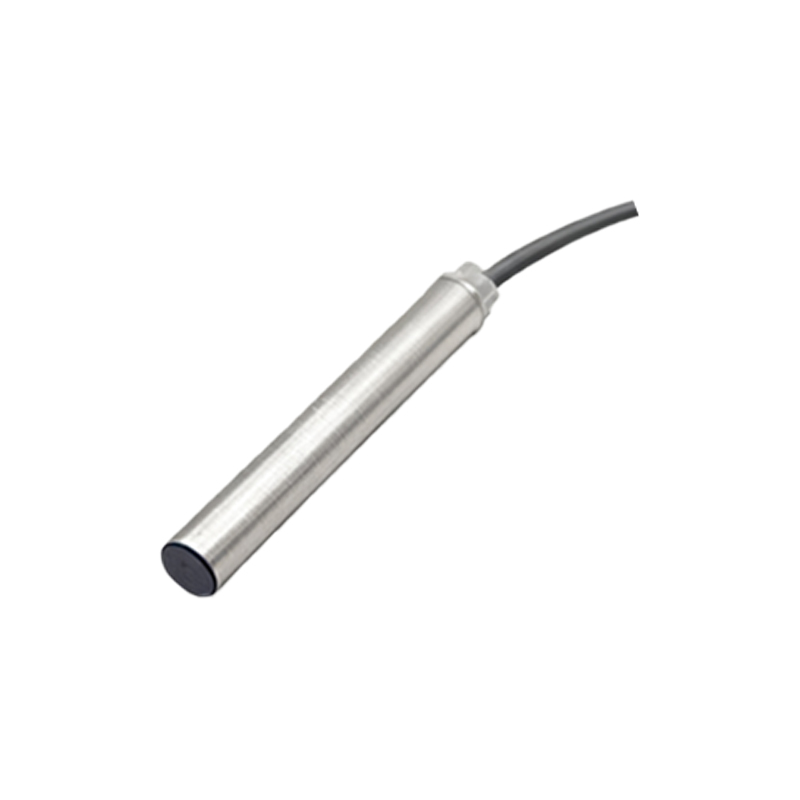
In the realm of industrial automation and control systems, metal proximity sensors are indispensable components. These non-contact devices detect the presence or absence of metallic objects without any physical touch, enabling precise, reliable, and high-speed operations in harsh environments. Their operation hinges on generating an electromagnetic field; when a metallic target enters this field, it induces changes—such as eddy currents or alterations in oscillation amplitude—that are detected and converted into an electrical output signal. This fundamental principle manifests in several distinct technologies, each with unique characteristics, advantages, and ideal use cases. Understanding the primary types is crucial for selecting the optimal sensor for a specific application.
The most prevalent and widely used type is the Inductive Proximity Sensor. These sensors generate a high-frequency oscillating electromagnetic field from a coil wound around a ferrite core at their sensing face. When a conductive metal target (e.g., steel, aluminum, brass) enters this field, eddy currents are induced on the target's surface. This energy loss dampens the oscillation, which is detected by a threshold circuit, triggering a solid-state output switch (typically PNP or NPN). Inductive sensors are renowned for their robustness, long service life (no moving parts), high switching frequency, and immunity to environmental factors like dust, oil, and moisture. They are predominantly used for detecting ferrous metals (like iron and steel) at short to medium ranges, with sensing distances varying from 1 to 60 mm depending on the sensor size and target material. A key specification is the "correction factor," which indicates the reduced sensing distance for non-ferrous metals like aluminum or copper compared to standard steel.
A specialized subset within this category is the Ferrous Metal (or Ferrous-Only) Proximity Sensor. These are designed to detect only magnetic ferrous metals (iron, steel) while ignoring non-ferrous metals (aluminum, copper) and non-magnetic stainless steels. They often utilize a magnet and a Hall-effect or magnetoresistive element. When a ferrous target approaches, it concentrates the magnetic flux, triggering the sensor. This selective detection is invaluable in sorting applications, such as separating ferrous from non-ferrous scrap metal or verifying the presence of steel bolts in an assembly.
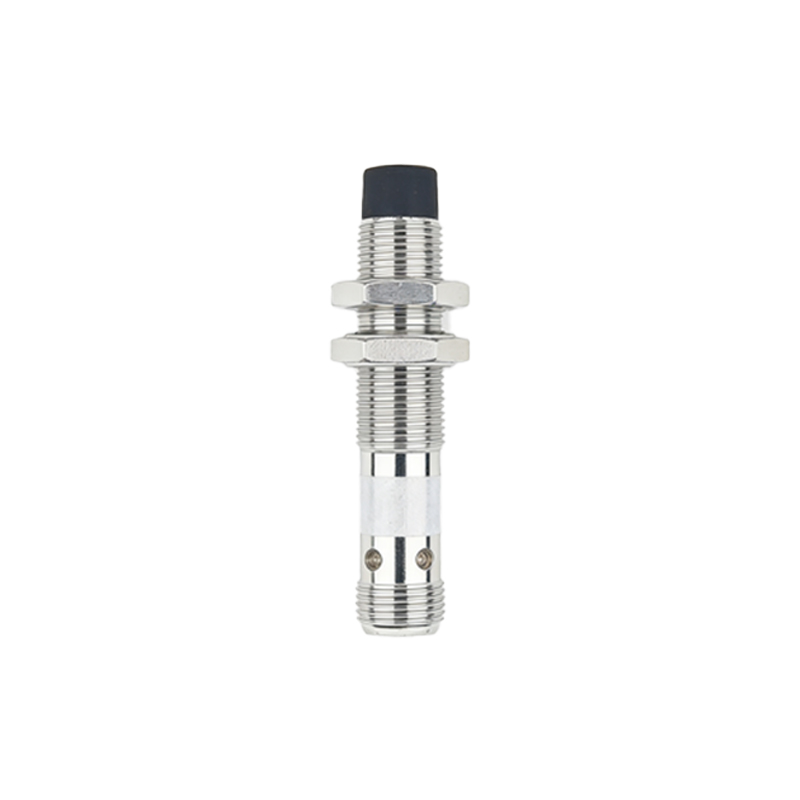
Another significant category is the Capacitive Proximity Sensor. While they can detect both metallic and non-metallic materials (liquids, plastics, wood), their functionality with metals is highly effective. These sensors function by generating an electrostatic field between two electrodes (often the sensor face and a ground). The approach of any object, including metal, changes the dielectric constant of the surrounding space, altering the capacitance of the circuit. Once this change reaches a preset threshold, the sensor activates. For metal detection, capacitive sensors can offer longer sensing ranges compared to inductive ones for certain non-ferrous metals and are excellent for applications requiring detection through non-metallic container walls, such as monitoring liquid levels in a metal tank or detecting a metal part inside a plastic hopper.
For applications requiring extended sensing ranges beyond the capabilities of standard inductive sensors, Ultrasonic Proximity Sensors are a powerful option. They operate by emitting high-frequency sound waves (ultrasound) and measuring the time for the echo to return from a target. A metal object provides an excellent reflective surface, resulting in reliable detection. While not metal-specific, their ability to detect objects up to several meters away, regardless of color, transparency, or material (as long as it reflects sound), makes them suitable for large metal part positioning, coil diameter measurement, or presence detection in bulk material handling.
Lastly, Magnetic Proximity Sensors (often reed switches or Hall-effect sensors) detect the presence of a magnetic field, typically from a permanent magnet attached to a moving metal part. When the magnet approaches, the sensor closes or opens a circuit. These are extremely reliable for detecting the position of cylinders (via piston magnets), doors, or valves in machinery. They are not detecting the metal itself but the magnet associated with it, offering very precise and repeatable switching points.
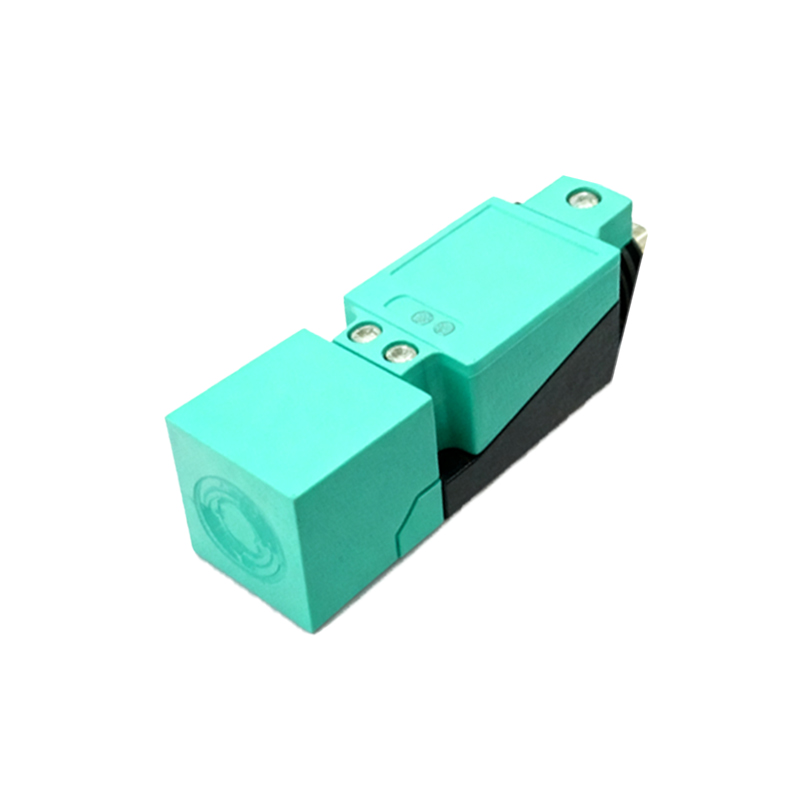
Selection criteria extend beyond mere type. Engineers must consider factors like sensing distance, target material and size, output configuration (2-wire, 3-wire, analog, IO-Link), housing material (stainless steel, nickel-plated brass, PBT plastic), environmental ratings (IP67, IP69K for washdown), temperature range, and mounting style (flush or non-flush). For instance, a non-flush mount inductive sensor offers a longer range but requires more clearance around it, while a flush-mounted sensor can be embedded in metal without triggering on the surrounding material.
In conclusion, the landscape of metal proximity sensors is diverse, encompassing Inductive, Ferrous-Only, Capacitive, Ultrasonic, and Magnetic types. The inductive