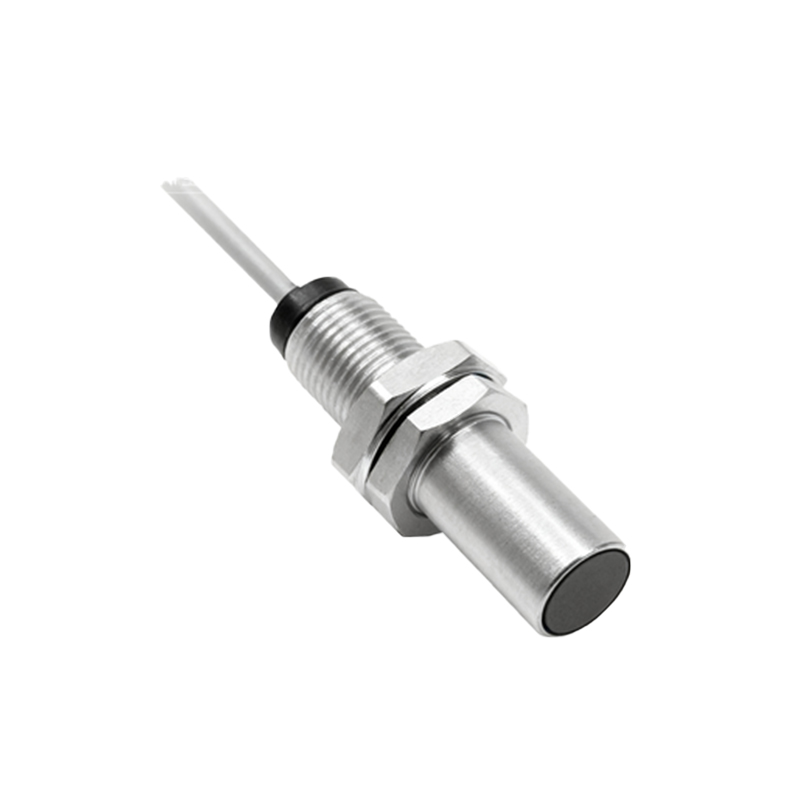
In the rapidly evolving landscape of industrial automation and smart technology, magnetic induction proximity sensors have emerged as critical components for precision detection and control. These sensors operate on the principle of electromagnetic induction, where an oscillating circuit generates a magnetic field. When a metallic object enters this field, eddy currents are induced, causing a change in the circuit's oscillation amplitude. This alteration is detected and converted into a signal, enabling non-contact sensing of objects without physical interaction. The reliability, durability, and ability to function in harsh environments—such as those with dust, moisture, or extreme temperatures—make these sensors indispensable in sectors like automotive manufacturing, robotics, packaging, and machinery safety systems.
Leading companies in the magnetic induction proximity sensor industry are driving innovation through advanced materials, miniaturization, and enhanced connectivity. For instance, firms like Siemens, Omron, and Balluff have developed sensors with integrated IoT capabilities, allowing for real-time data monitoring and predictive maintenance. These smart sensors can communicate via protocols like IO-Link or Ethernet/IP, seamlessly integrating into Industry 4.0 frameworks. Additionally, advancements in semiconductor technology have led to sensors with higher switching frequencies and reduced hysteresis, improving accuracy in high-speed applications. Companies are also focusing on energy-efficient designs, extending battery life in wireless systems and supporting sustainable operations.
The competitive edge of top magnetic induction sensor manufacturers lies in their commitment to customization and application-specific solutions. Whether it's designing sensors for ultra-small spaces in medical devices or robust units for heavy-duty mining equipment, these firms collaborate closely with clients to address unique challenges. For example, some companies offer sensors with extended sensing ranges or specialized coatings to resist chemical corrosion, catering to niche markets like food processing or offshore drilling. Moreover, rigorous testing standards, such as IP67 or IP69K ratings for ingress protection, ensure reliability in demanding conditions, reducing downtime and maintenance costs for end-users.
Looking ahead, the future of magnetic induction proximity sensors is intertwined with trends like artificial intelligence and digital twins. Companies are investing in R&D to develop sensors with embedded AI algorithms for anomaly detection and adaptive calibration. This not only enhances performance but also enables predictive analytics, where sensors can forecast potential failures before they occur. Furthermore, the rise of collaborative robots (cobots) and autonomous vehicles demands sensors with higher precision and faster response times, pushing manufacturers to innovate continuously. As global industries embrace automation, the role of magnetic induction proximity sensors will expand, with companies at the forefront shaping safer, more efficient, and interconnected systems.
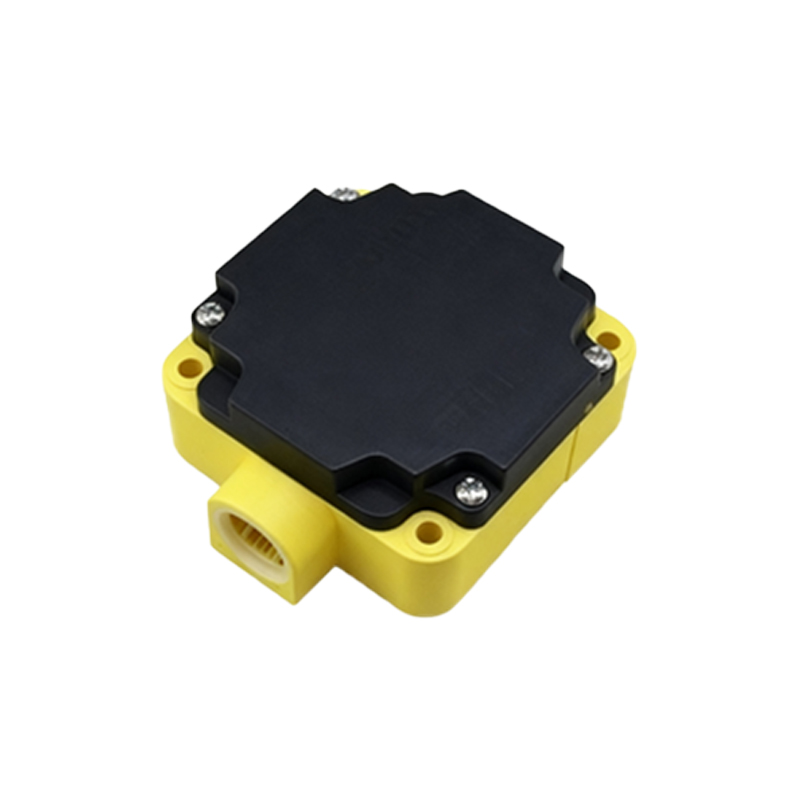
In conclusion, magnetic induction proximity sensor companies are pivotal to modern industrial advancements. By leveraging cutting-edge technology and customer-centric approaches, they provide solutions that enhance productivity, safety, and sustainability. As these sensors become more intelligent and integrated, their impact will only grow, solidifying their position as essential tools in the digital transformation of industries worldwide.