In the realm of modern building automation and sanitary ware, proximity sensors for urinals have emerged as a pivotal technology, driving significant improvements in hygiene, water conservation, and operational efficiency. These sensors, often based on passive infrared (PIR) or ultrasonic detection principles, are designed to detect the presence of a user and automatically initiate a flush cycle, eliminating the need for manual contact. This touch-free operation is paramount in public and commercial restrooms, where minimizing surface contact reduces the spread of pathogens and enhances user comfort.
The core functionality of a urinal proximity sensor lies in its detection system. Passive infrared sensors detect the heat signature (infrared radiation) emitted by the human body. When a user approaches within a predefined range, typically 15 to 30 centimeters, the sensor triggers a control unit that activates the solenoid valve, releasing a pre-set volume of water for flushing. Ultrasonic sensors, on the other hand, emit high-frequency sound waves and measure the reflection time. A change in the reflected signal indicates an object within the detection zone. Both technologies offer high reliability, but PIR sensors are generally more cost-effective for standard applications, while ultrasonic variants can be more effective in environments with complex layouts or potential for false triggers from ambient heat sources.
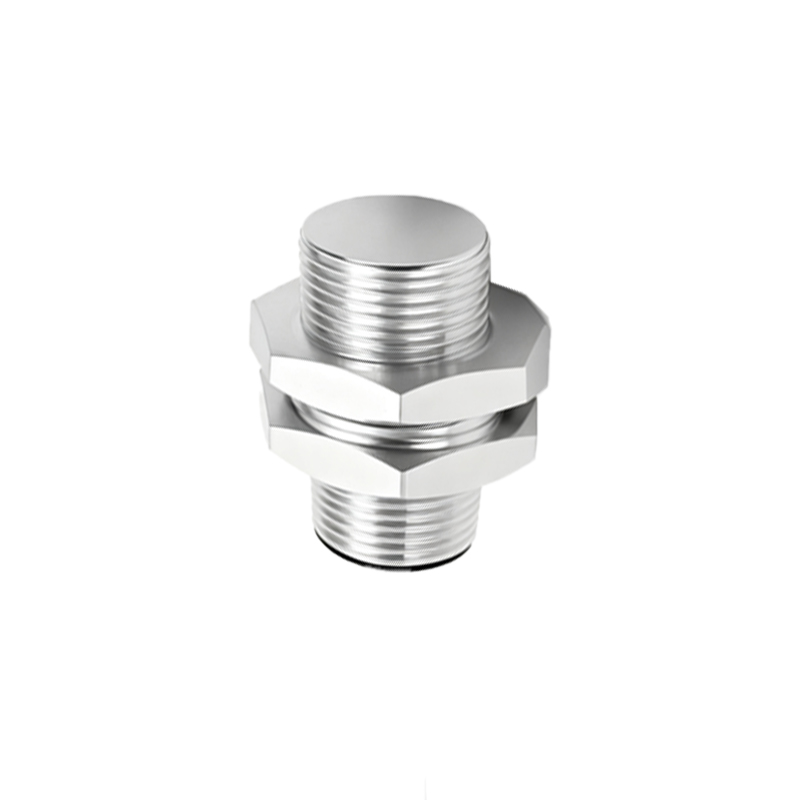
Installation and calibration are critical phases for optimal performance. Sensors must be mounted at a recommended height, usually between 50 to 70 centimeters from the floor, and angled correctly to cover the intended detection zone without interference from adjacent fixtures or moving objects like doors. The sensitivity and delay time (the period after the user steps away before flushing initiates) are adjustable parameters. Proper calibration ensures the system responds only to intended use, preventing false activations that waste water or missed flushes that compromise hygiene. Modern sensors often feature LED indicators for status monitoring—showing standby, detection, or fault conditions—facilitating quick maintenance diagnostics.
From a sustainability perspective, these sensors are instrumental in water management. Traditional manually operated urinals can lead to significant water waste through neglect or repeated flushing. Automated systems ensure a consistent, measured flush volume per use, typically between 1 to 1.5 gallons (3.8 to 5.7 liters), aligning with stringent water efficiency standards like the U.S. EPA's WaterSense. In high-traffic facilities such as airports, stadiums, and office towers, the cumulative water savings can be substantial, reducing both utility costs and environmental impact. Furthermore, the reduction in manual handling decreases wear and tear on mechanical flush valves, extending the lifespan of the entire sanitary system.
Electrical integration is straightforward for qualified technicians. Most urinal proximity sensors operate on low-voltage DC power (often 6V, 12V, or 24V), sourced from a transformer or power supply unit connected to the main AC line. The wiring typically involves connecting the sensor's power terminals and its output relay to the solenoid valve. It is crucial to adhere to local electrical codes and ensure proper insulation, especially in damp environments. Some advanced models offer connectivity options for building management systems (BMS), allowing for remote monitoring of usage patterns, water consumption data, and immediate alerting for malfunctions like continuous water flow, enabling predictive maintenance.
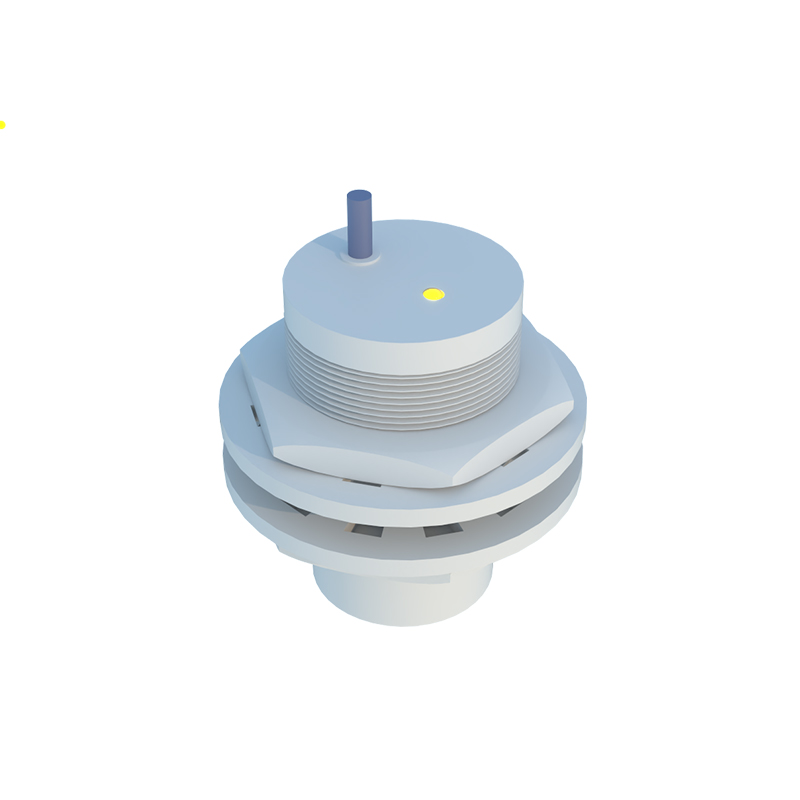
Despite their advantages, challenges exist. Sensor performance can be affected by extreme environmental conditions, such as very high ambient temperatures affecting PIR sensors or acoustic interference impacting ultrasonic models. Regular cleaning of the sensor lens or surface is necessary to prevent blockage by dust, grime, or lime scale, which can attenuate signals. Choosing sensors with appropriate Ingress Protection (IP) ratings, such as IP65 or higher, is essential for withstanding moisture and cleaning agents.
In conclusion, proximity sensors for urinals represent a smart investment in public health infrastructure. By automating a routine function, they provide a reliable, hygienic, and resource-conscious solution. For facility managers and engineers, specifying sensors from reputable manufacturers, ensuring professional installation, and implementing a routine maintenance schedule are key to maximizing the benefits of this technology, contributing to cleaner, more sustainable, and efficient washroom environments worldwide.