In the realm of industrial automation and smart building management, the ability to accurately detect human presence and proximity is paramount. LEMPHOO sensors, known for their precision and reliability, have emerged as a leading solution in this domain. These sensors utilize advanced technologies to monitor environments, ensuring safety, energy efficiency, and enhanced operational workflows. This article delves into the principles, applications, and benefits of LEMPHOO sensors in detecting human presence and proximity, tailored for electrical engineers and industry professionals.
LEMPHOO sensors operate on a combination of technologies, including passive infrared (PIR), microwave, and ultrasonic sensing. PIR sensors detect infrared radiation emitted by humans, making them ideal for presence detection in static environments. When a person enters a monitored area, the sensor picks up changes in heat patterns, triggering an output signal. This is commonly used in lighting control systems, where lights automatically turn on upon detecting occupancy, thereby conserving energy. Proximity detection, on the other hand, often relies on microwave or ultrasonic sensors that emit waves and measure reflections. These sensors can detect movement and distance, providing data on how close a person is to a specific point. For instance, in industrial settings, proximity detection can prevent accidents by halting machinery when a worker approaches a hazardous zone.
The integration of LEMPHOO sensors into modern systems offers numerous advantages. In smart buildings, these sensors contribute to energy management by optimizing HVAC and lighting based on occupancy. Studies show that such implementations can reduce energy consumption by up to 30%. In manufacturing, proximity detection enhances safety protocols, minimizing the risk of injuries. LEMPHOO sensors are designed with high sensitivity and low false-trigger rates, ensuring reliable performance even in challenging conditions like varying temperatures or ambient noise. Additionally, their compact design allows for seamless installation in diverse environments, from office spaces to factory floors.
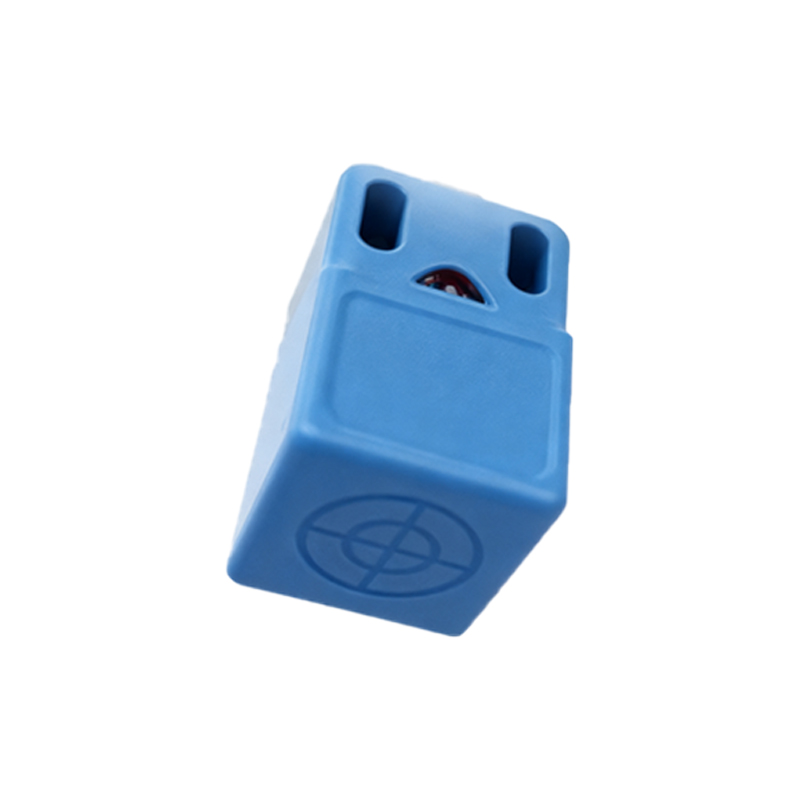
Applications of LEMPHOO sensors extend beyond traditional uses. In healthcare, they monitor patient movement in rooms, alerting staff to falls or unusual activity. In retail, proximity sensors analyze customer behavior, enabling targeted advertising and improved store layouts. The sensors' data can be integrated with IoT platforms, providing real-time analytics for decision-making. For electrical engineers, understanding the wiring and calibration of these sensors is crucial. LEMPHOO models typically feature adjustable range settings, delay timers, and output options (e.g., relay or digital signals), allowing customization for specific projects. Proper installation involves considering factors like sensor placement, field of view, and potential interference from other electronic devices.
Despite their benefits, challenges exist in deploying LEMPHOO sensors. False detections may occur due to pets or moving objects, but advanced models incorporate dual-technology approaches to mitigate this. For example, combining PIR and microwave sensing reduces errors by requiring both technologies to trigger. Maintenance is minimal, but periodic checks are recommended to ensure lenses are clean and aligned. As technology evolves, LEMPHOO sensors are incorporating AI algorithms for smarter detection, such as distinguishing between humans and animals or predicting movement patterns.
In conclusion, LEMPHOO sensors play a vital role in modern electrical systems by enabling efficient human presence and proximity detection. Their versatility and reliability make them indispensable for applications ranging from energy conservation to safety enhancement. For engineers, staying updated on these technologies is key to designing innovative solutions. By leveraging LEMPHOO sensors, industries can achieve greater automation, cost savings, and improved user experiences, paving the way for smarter, safer environments.