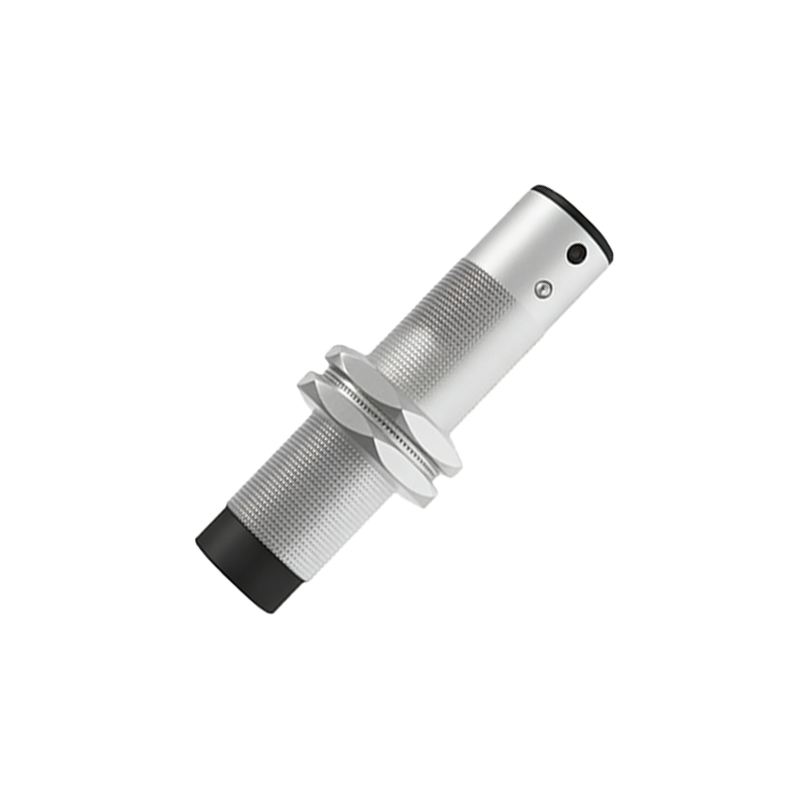
In the realm of industrial automation and precision control, high frequency proximity sensors stand as critical components for non-contact detection. Unlike their standard inductive or capacitive counterparts, these sensors operate at significantly higher oscillation frequencies, typically in the range of several hundred kHz to over 1 MHz. This fundamental characteristic enables them to detect smaller objects, including non-ferrous metals, with greater sensitivity and at higher switching speeds. Their operation is based on the principle of electromagnetic induction. An oscillator circuit generates a high-frequency electromagnetic field at the active face of the sensor. When a metallic target enters this field, eddy currents are induced on the target's surface. These currents absorb energy from the oscillator, causing a change in its amplitude or frequency. This change is detected by the sensor's evaluation circuit, which subsequently triggers a switching signal. The high operating frequency allows for a more concentrated and sensitive field, making the sensor responsive to thin foils, small screws, or even the presence of specific materials in packaging.
The primary types of high frequency proximity sensors can be categorized by their output configuration and sensing technology. The most common is the high-frequency inductive sensor, designed specifically for detecting non-ferrous metals like aluminum, copper, and brass. Standard inductive sensors are optimized for steel, but their performance drops with non-ferrous metals due to poorer conductivity. High-frequency models overcome this by generating a stronger eddy current effect in these materials. Another key type is the analog output high-frequency sensor. Instead of a simple on/off signal, these provide a continuous voltage or current output proportional to the distance to the target. This is invaluable for applications requiring precise positioning or thickness monitoring. Furthermore, certain specialized high-frequency sensors incorporate noise immunity circuits and shielded designs to operate reliably in environments with strong electromagnetic interference from variable frequency drives or welding equipment.
Selecting the appropriate high-frequency proximity sensor requires careful consideration of several application parameters. First, the target material is paramount. For instance, an aluminum target will require a different sensing distance specification compared to copper of the same size. The sensor's data sheet will list correction factors for various metals. Second, the required switching frequency or response time is crucial. High-frequency sensors excel here, often capable of detecting objects at several thousand operations per second, making them ideal for high-speed counting or sorting lines. Third, the physical size and mounting constraints of the sensor must align with the machine design. Cylindrical, rectangular, and slot-style housings are available. Environmental factors such as temperature extremes, presence of coolants, or washdown conditions (IP67/IP69K ratings) dictate the required housing material and sealing. Finally, the electrical characteristics—operating voltage (typically 10-30V DC or 20-250V AC), output type (PNP/NPN/NO/NC), and connection method (pre-wired cable or quick-disconnect)—must integrate seamlessly with the existing control system.
The applications for high-frequency proximity sensors are vast and span numerous industries. In packaging machinery, they reliably detect the presence of aluminum foil seals or thin metallized films on product wrappers. Within the electronics manufacturing sector, they are used for precise PCB positioning and verifying the presence of tiny metallic components. Automotive assembly lines utilize them to confirm the installation of non-ferrous parts like aluminum pistons or copper connectors. In metal processing, they monitor the feed of aluminum sheets or copper wires, ensuring continuous operation without mechanical contact. Their high-speed capability is leveraged in bottling plants to count cans moving at extremely high velocities on conveyor belts. The analog variants find use in precision grinding machines to maintain a specific gap between the wheel and a non-ferrous workpiece.
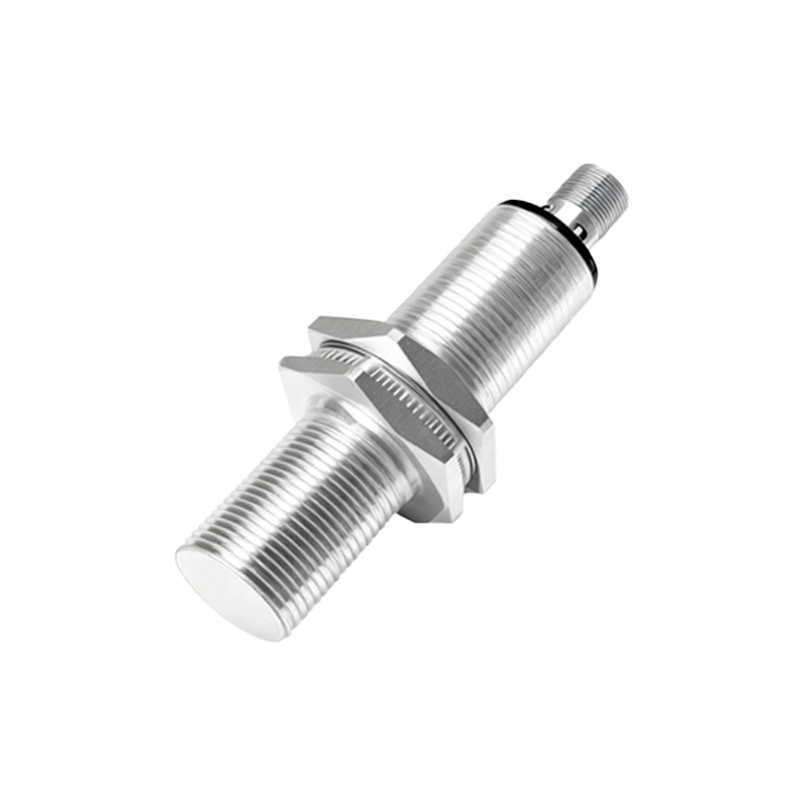
Installation and commissioning best practices are essential for optimal performance. Maintaining the correct mounting distance from metal backplanes or surrounding structures is critical to prevent false triggering. The sensor should be positioned so that only the intended target enters its active sensing field. For sensing non-ferrous metals, it is often necessary to conduct fine-tuning using the potentiometer (if available) to adjust sensitivity for the specific material and required operating distance. Regular maintenance involves cleaning the sensing face from accumulated debris, oil, or metal dust, which can attenuate the electromagnetic field and reduce the effective sensing range. Diagnostic LEDs, a standard feature on most models, provide immediate feedback on power status and output switching, aiding in rapid troubleshooting.
In conclusion, high frequency proximity sensors are indispensable tools for modern automated systems where speed, precision, and material versatility are demanded. Their ability to detect a wide range of metallic objects, particularly non-ferrous metals, at high speeds fills a vital niche in sensor technology. A thorough understanding of their operating principles, types, and key selection criteria enables engineers and technicians to deploy these sensors effectively, enhancing system reliability, efficiency, and capability across diverse industrial applications. As automation evolves towards greater precision and flexibility, the role of the high-frequency proximity sensor will only continue