Proximity sensors are indispensable components in modern automation, robotics, and industrial systems. Their core function is to detect the presence or absence of an object within a specific range without physical contact. A critical, yet often overlooked, aspect of their performance is the material composition of the target object. The effectiveness of a proximity sensor is not universal; it is intrinsically linked to the material it is tasked with detecting. Understanding this relationship is paramount for selecting the correct sensor type and ensuring reliable operation in any application.
The detection capability hinges on the underlying technology of the sensor. The three most common types—inductive, capacitive, and photoelectric—interact with materials in fundamentally different ways.
Inductive proximity sensors are the workhorses of metal detection. They generate an electromagnetic field. When a conductive metal, such as steel, aluminum, copper, or brass, enters this field, eddy currents are induced on the surface of the metal. These currents absorb energy from the sensor's oscillator, causing a change in the field amplitude. The sensor's circuitry detects this change and triggers an output signal. The key point is that different metals affect the sensor differently. Ferrous metals (like iron and steel) are typically detected at the sensor's nominal sensing range. Non-ferrous metals (like aluminum, copper, or brass) have lower conductivity and permeability, which generally reduces the effective sensing distance, sometimes by 30-60%. Manufacturers provide correction factors to account for this. Inductive sensors are essentially "blind" to non-metallic materials like plastic, wood, or liquids, as these do not conduct electricity to generate sufficient eddy currents.
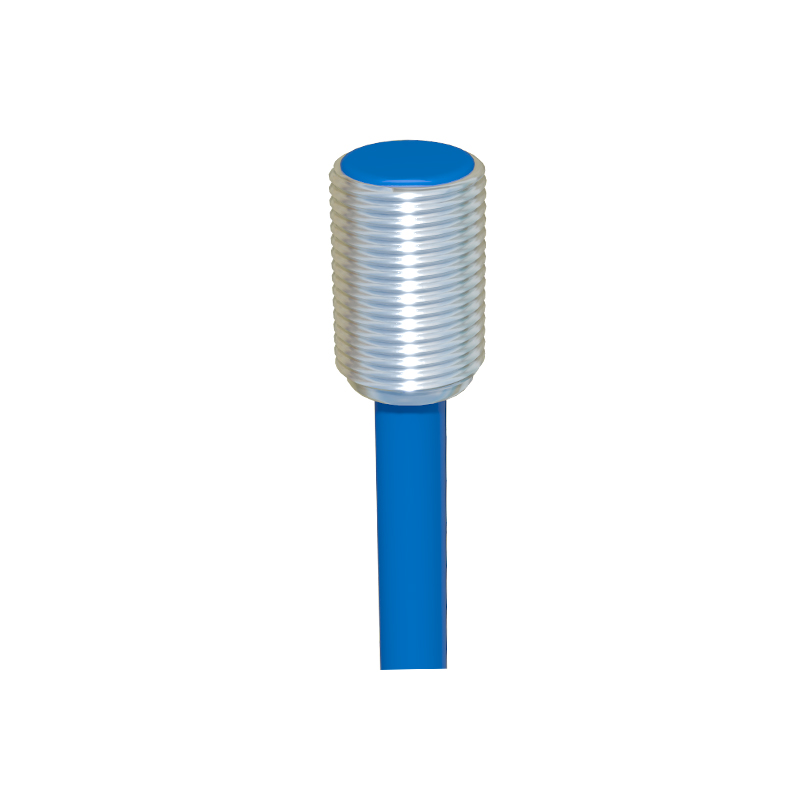
Capacitive proximity sensors, in contrast, can detect both conductive and non-conductive materials. They operate by generating an electrostatic field. Any object that enters this field alters the capacitance between the sensor's electrode and ground. This includes metals, plastics, glass, wood, paper, and even most liquids (like water or oil). The detection principle relies on the dielectric constant (permittivity) of the material. Materials with a high dielectric constant (e.g., water) cause a more significant change in capacitance and are easier to detect at longer ranges. Materials with a low dielectric constant (e.g., dry wood, certain plastics) cause a smaller change, requiring the sensor to be positioned closer to the target. For challenging non-conductive materials, capacitive sensors often feature a sensitivity adjustment potentiometer to fine-tune the detection threshold. This versatility makes them ideal for applications like level detection of powders or granules, presence detection of plastic bottles, or monitoring liquid levels in non-metallic tanks.
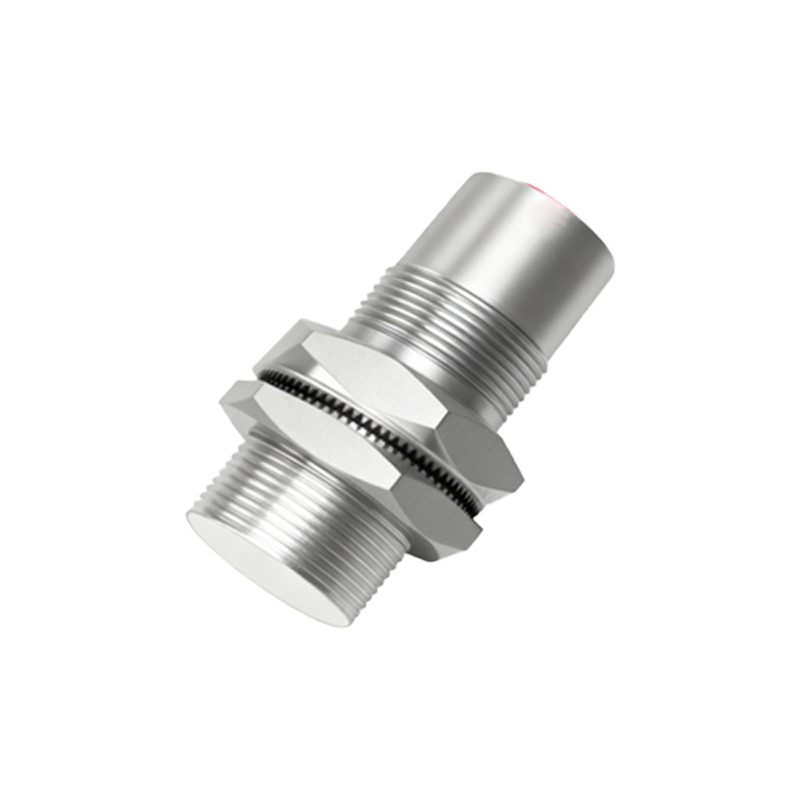
Photoelectric sensors use a beam of light (visible red, infrared, or laser) for detection. Their interaction with material is primarily based on optical properties: reflectivity, color, transparency, and surface finish. For diffuse or reflective sensors, a light-colored, matte surface will reflect more light back to the receiver than a dark-colored or glossy surface, potentially affecting sensing reliability. Through-beam sensors, where the emitter and receiver are separate, are less susceptible to material color but can be foiled by transparent objects like clear glass or plastic. Specialized sensors with polarized filters can overcome challenges posed by shiny surfaces. Photoelectric sensors are largely agnostic to the material's electrical properties, making them suitable for a vast array of targets, from detecting a black rubber tire on an assembly line to verifying the presence of a transparent film.
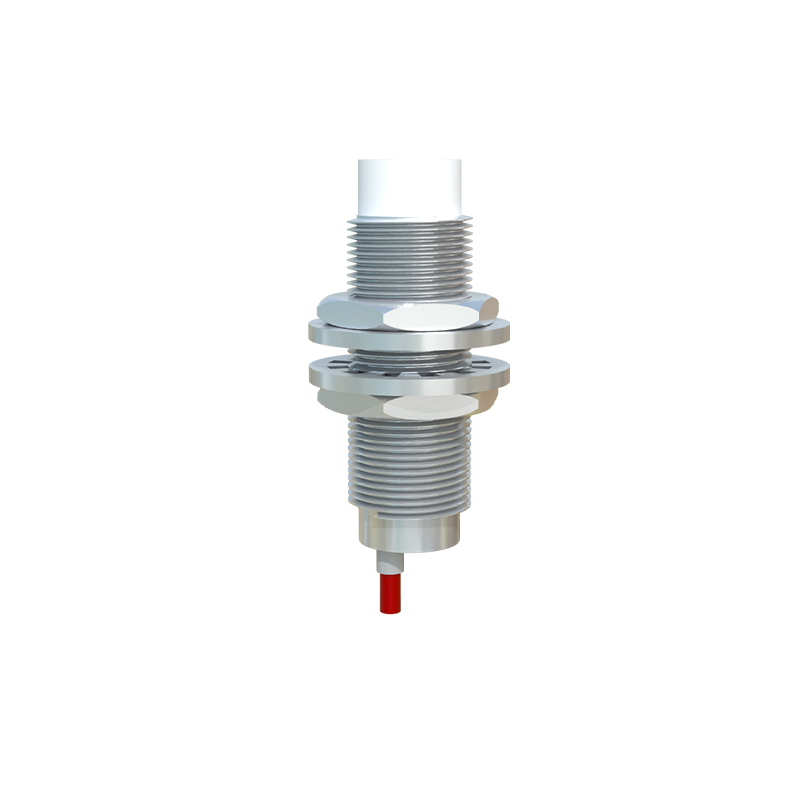
Selecting the right sensor for the material is a systematic process. First, identify the target material: Is it metallic or non-metallic? If metallic, is it ferrous or non-ferrous? If non-metallic, what is its approximate dielectric constant or optical characteristics? Next, consider the operating environment. Inductive sensors are robust in dirty, oily conditions. Capacitive sensors can be affected by ambient humidity or contaminants on the sensor face. Photoelectric sensors may struggle in environments with heavy dust, steam, or intense ambient light. Finally, the required sensing distance and the physical size of the sensor must align with the application's mechanical constraints.
In practice, this knowledge translates into solving real-world problems. On a packaging line, an inductive sensor reliably counts metal cans, ignoring the plastic conveyor belt. In a woodworking shop, a capacitive sensor ensures a panel of wood is in position before a saw cuts. In a bottling plant, a background-suppression photoelectric sensor accurately detects glass bottles of varying colors. Ignoring material compatibility leads to unreliable sensing, false triggers, and system downtime.
In conclusion, the statement "proximity sensors detect objects" is an oversimplification. A more accurate description is that proximity sensors detect specific physical properties—electrical conductivity, dielectric constant, or optical reflectivity—that are inherent to materials. The material is not just a target; it is a defining parameter of the sensing system. Successful implementation demands a clear