In the demanding landscape of modern industrial automation, process control, and heavy machinery, the reliability of sensing technology is paramount. Among the most critical components are proximity sensors, which detect the presence or absence of objects without physical contact. However, standard sensors falter in harsh conditions involving aggressive chemicals, saline atmospheres, extreme temperatures, and pervasive particulates. This is where corrosion-resistant and high-temperature proximity sensors become indispensable, engineered specifically to deliver unwavering performance where others fail.
The core challenge in extreme environments is material degradation. Standard sensor housings, typically made from materials like nickel-plated brass or standard stainless steels (e.g., 304), can succumb rapidly to corrosion from acids, alkalis, or chlorides. Similarly, internal electronics and seals have strict temperature limitations. Corrosion-resistant sensors address this through advanced material science. Housings are frequently constructed from high-grade stainless steels such as 316L, known for superior resistance to pitting and crevice corrosion, or from specialized polymers like PVDF (Polyvinylidene fluoride) and PPS (Polyphenylene sulfide), which offer exceptional chemical inertness. For the most severe conditions, alloys like Hastelloy or titanium may be employed. These materials are not merely selected for durability; their non-reactive nature ensures they do not contaminate sensitive processes, a critical factor in food & beverage, pharmaceutical, and semiconductor manufacturing.
High-temperature capability is a parallel, yet often interconnected, engineering frontier. Traditional inductive, capacitive, or magnetic proximity sensors are typically rated for ambient temperatures up to 70-85°C (158-185°F). In applications like metal casting, heat treating, engine testing, or near furnaces, ambient temperatures can consistently exceed 150°C (302°F) with radiant heat pushing localized temperatures even higher. High-temperature sensors are designed with a holistic approach. This includes using high-temperature stable plastics for coil bobbins and housings, specialized soldering techniques with high-temperature alloys, and thermally resistant cable jackets such as PFA or Teflon. Crucially, the semiconductor components and especially the sensing face are protected through design innovations that manage thermal conduction away from sensitive elements. Some models incorporate active or passive cooling elements or thermal barriers to extend operational life.
The synergy of corrosion and temperature resistance is vital. A sensor in a chemical processing plant may face both a corrosive spray and high process temperatures. Therefore, the sealing technology is as critical as the housing material. Advanced designs utilize multiple seals—often made from perfluoroelastomers (FFKM) or specialized fluorosilicones—arranged in a labyrinth or redundant configuration. These seals must maintain elasticity and sealing force across a wide temperature range (-40°C to +200°C is not uncommon) while resisting chemical swell or degradation. The ingress protection (IP) rating, such as IP67, IP68, or IP69K, indicates robust sealing against dust and liquids, but the material specification defines resistance to specific corrosive agents.
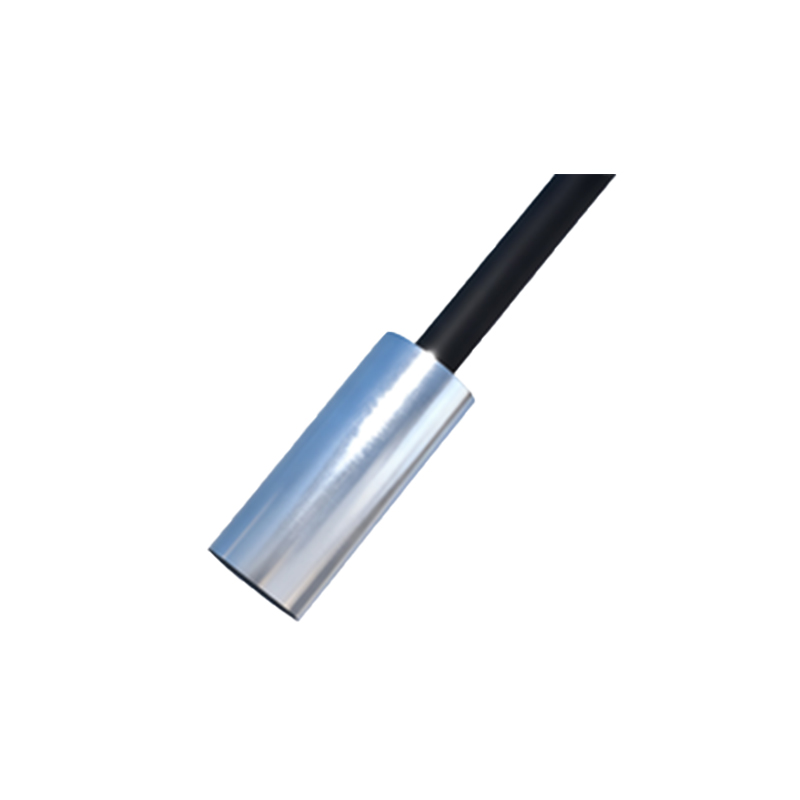
From an electrical and signal integrity perspective, these rugged sensors must maintain stable switching characteristics. Temperature fluctuations can affect the oscillation circuit in inductive sensors or the dielectric constant in capacitive sensors. Engineers compensate through circuit design that minimizes temperature drift, ensuring the sensing distance remains consistent. Output types (PNP/NPN, NO/NC, analog, or IO-Link) are chosen for compatibility with high-temperature rated cabling and PLCs that might also be in hot zones.
Application examples are widespread. In the pulp and paper industry, sensors withstand corrosive bleaching chemicals and steam. In marine and offshore applications, they resist saltwater corrosion. In automotive foundries, they operate reliably near molten metal and in high-ambient-heat zones. In food processing, they endure frequent caustic washdowns with high-pressure, high-temperature cleaning agents.
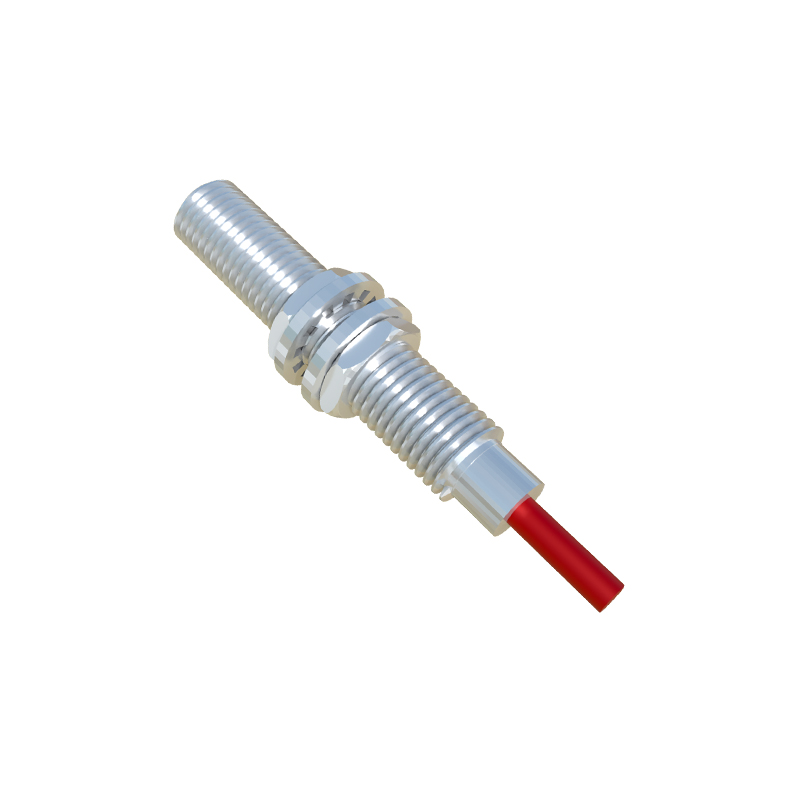
Selecting the right sensor requires a detailed analysis of the environment: the specific chemical agents, their concentration and temperature, the peak and continuous ambient temperature, the presence of mechanical shock or abrasion, and the required sensing distance and target material. Consulting technical data sheets for chemical resistance charts and temperature derating curves is essential.
In conclusion, corrosion-resistant and high-temperature proximity sensors are not mere variants of standard models; they are the product of targeted engineering in materials, sealing, and electronics. They enable automation and precise control in the most punishing industrial environments, reducing downtime, maintenance costs, and safety risks. As industries push into more extreme processes, the evolution of these robust sensors will continue to be a key driver of operational reliability and efficiency.