In the realm of industrial automation, photoelectric sensors and proximity switches are indispensable components, each serving distinct yet complementary roles in ensuring operational efficiency, safety, and precision. As an electrical engineer with extensive field experience, I aim to elucidate the functionalities, applications, and key considerations for these devices, providing a clear understanding for professionals and enthusiasts alike.
Photoelectric sensors operate on the principle of light transmission and reception. Typically, they consist of an emitter that projects a light beam—often infrared, visible, or laser—and a receiver that detects changes in this beam. These sensors are categorized into three main types: through-beam, retro-reflective, and diffuse reflective. Through-beam sensors offer the longest sensing ranges and highest reliability, as the emitter and receiver are separate units, making them ideal for detecting objects in harsh environments. Retro-reflective sensors use a reflector to bounce light back to the receiver, suitable for medium-range applications. Diffuse reflective sensors, where the receiver detects light reflected directly from the target, are best for short-range tasks and varied surface conditions.
Proximity switches, on the other hand, detect the presence or absence of an object without physical contact, primarily using electromagnetic fields or capacitive principles. Inductive proximity switches are common in industrial settings, designed to sense metallic objects by generating an electromagnetic field. When a metal target enters this field, it induces eddy currents, triggering the switch. Capacitive proximity switches can detect both metallic and non-metallic materials, such as plastics or liquids, by measuring changes in capacitance. These switches are valued for their durability, as the lack of moving parts reduces wear and tear, ensuring longevity in demanding applications.
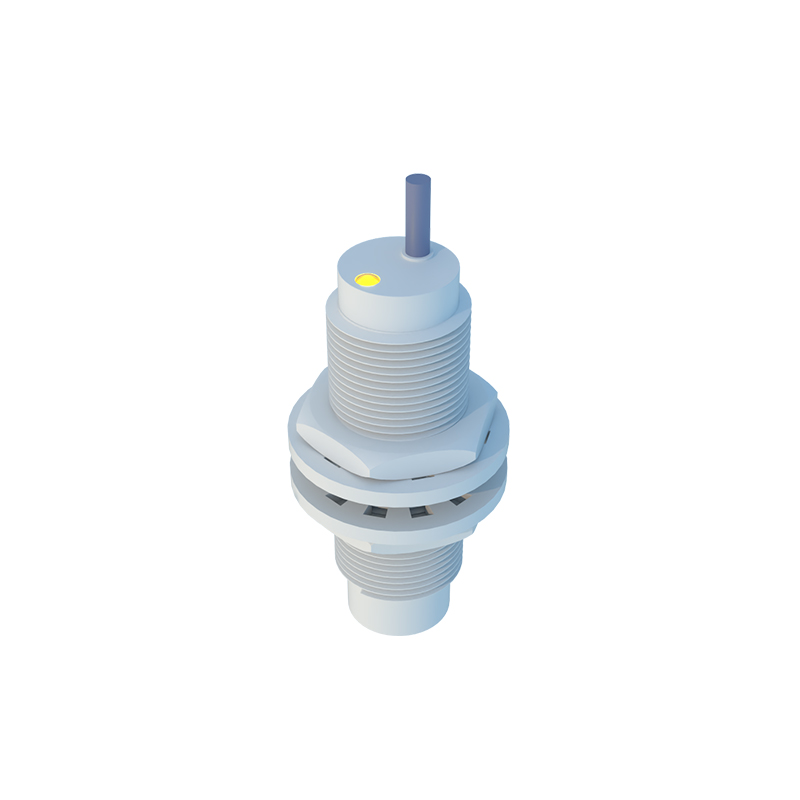
The choice between photoelectric sensors and proximity switches hinges on several factors, including the nature of the target material, environmental conditions, required sensing distance, and response speed. Photoelectric sensors excel in long-range detection—up to several meters—and can identify objects regardless of material composition, making them versatile for packaging, conveyor systems, and object counting. However, they may be affected by ambient light, dust, or fog, necessitating careful installation and shielding. Proximity switches, with shorter ranges typically under 50 millimeters, are robust against environmental interferences like dirt or vibration, ideal for position sensing in machinery or detecting metal parts in automotive assembly lines.
In practice, integrating these sensors into control systems requires attention to electrical specifications, such as voltage ratings, output types (e.g., NPN or PNP), and connectivity with PLCs (Programmable Logic Controllers). For instance, photoelectric sensors often feature adjustable sensitivity and time delays to fine-tune performance, while proximity switches may include built-in indicators for diagnostic purposes. Regular maintenance, including lens cleaning for photoelectric sensors and checking for metal shavings near proximity switches, is crucial to prevent false triggers and downtime.
Emerging trends in Industry 4.0 are enhancing these technologies with smart features like IO-Link communication, which enables real-time data exchange and remote configuration. This connectivity allows for predictive maintenance, reducing unplanned outages and optimizing production workflows. As industries advance toward greater automation, understanding the nuances of photoelectric sensors and proximity switches becomes vital for designing resilient and efficient systems.
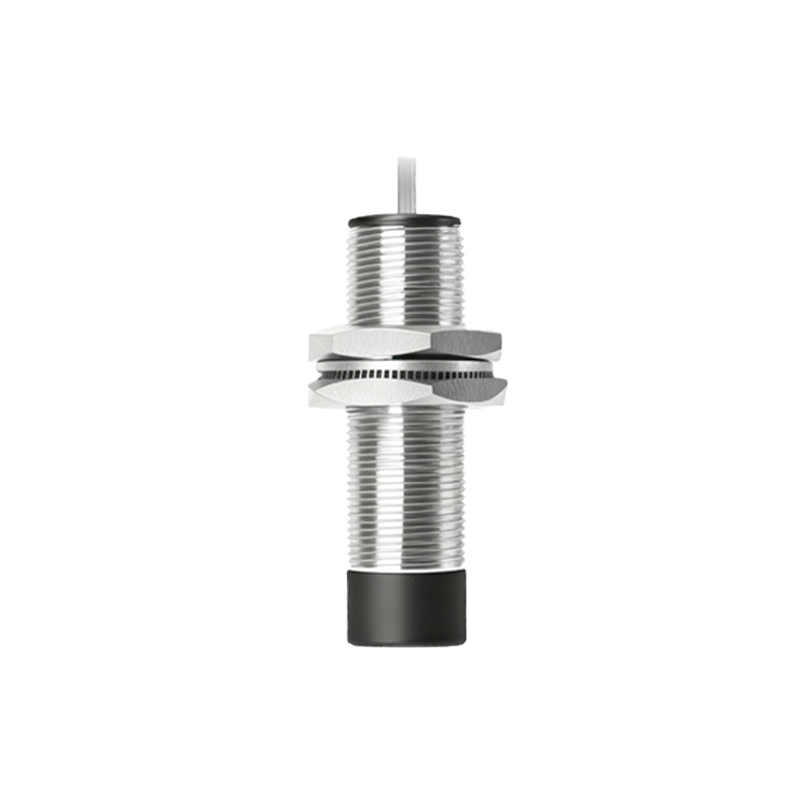
Ultimately, both devices are pillars of modern industrial engineering, offering reliable solutions for diverse sensing challenges. By selecting the appropriate sensor based on application needs and environmental factors, engineers can achieve seamless automation, improved safety, and cost-effective operations. Whether monitoring assembly lines or ensuring precise material handling, these technologies continue to evolve, driving innovation in the electrical and automation sectors.