In the realm of industrial automation and machinery, proximity sensors play a crucial role in detecting the presence or absence of objects without physical contact. Among the various configurations available, the 2-wire proximity sensor stands out for its simplicity and widespread application. This guide delves into the fundamentals, working principles, advantages, and typical use cases of these sensors, providing a clear understanding for engineers, technicians, and enthusiasts alike.
A 2-wire proximity sensor is essentially a switch that operates without mechanical parts. It consists of two wires: one for power supply and the other for signal output. Unlike 3-wire or 4-wire sensors that have separate wires for power, ground, and output, the 2-wire version integrates these functions into a single loop. This design simplifies installation and reduces wiring complexity, making it a preferred choice in many industrial settings.
The core technology behind these sensors often involves inductive, capacitive, or magnetic principles. Inductive sensors, for instance, generate an electromagnetic field to detect metallic objects. When a metal target enters this field, it causes a change in oscillation, which the sensor interprets as a detection event. Similarly, capacitive sensors respond to both metallic and non-metallic materials by sensing changes in capacitance. The 2-wire configuration supports these technologies by allowing the sensor to draw power and transmit signals through the same pair of wires.
One of the key advantages of 2-wire proximity sensors is their ease of installation. With only two wires to connect, they minimize the risk of wiring errors and save time during setup. They are typically wired in series with the load, such as a relay or programmable logic controller (PLC) input. This series connection means that the sensor acts as a switch that controls the current flow to the load. When no object is detected, the sensor maintains a small leakage current to power itself; upon detection, it allows full current to pass, signaling the presence of an object.
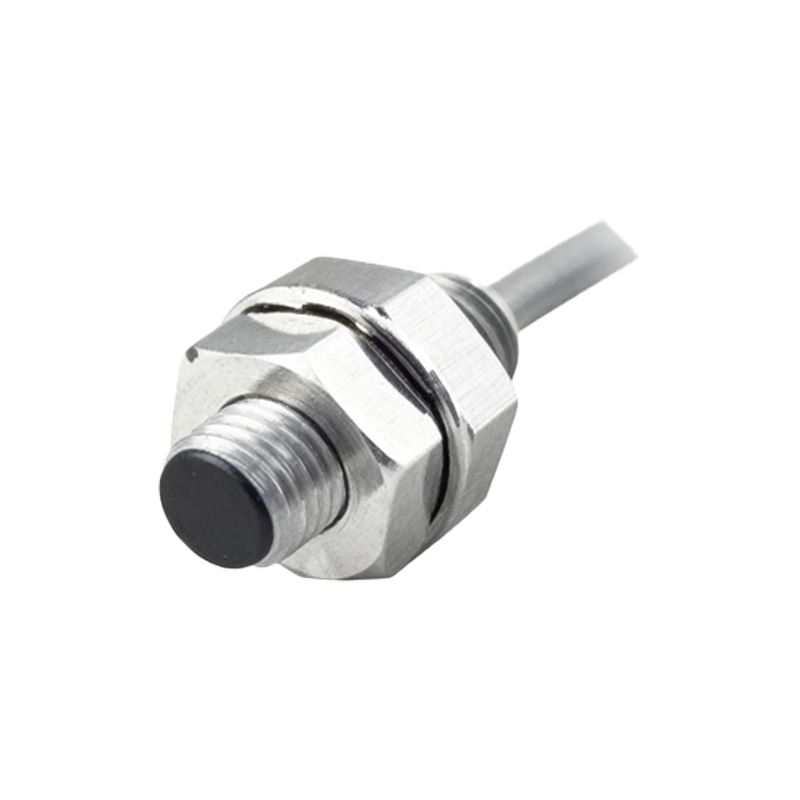
However, this simplicity comes with certain considerations. For example, 2-wire sensors often have a voltage drop across them, which can affect performance in low-voltage applications. Additionally, they may have lower switching speeds compared to their 3-wire counterparts due to the integrated circuitry. Despite these limitations, their robustness and cost-effectiveness make them ideal for many environments, including manufacturing lines, conveyor systems, and automotive assembly plants.
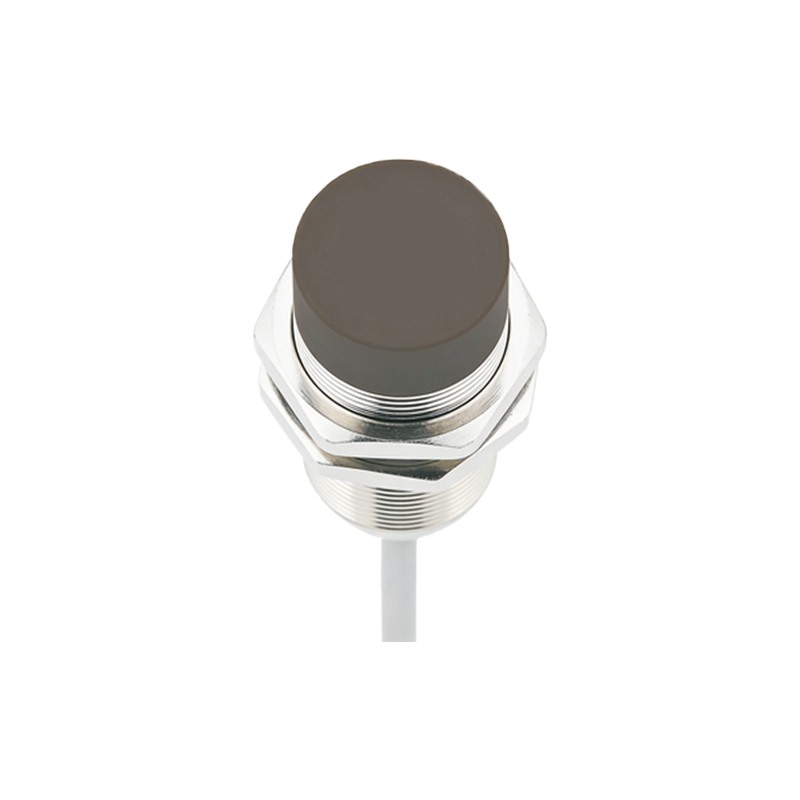
When selecting a 2-wire proximity sensor, factors such as sensing range, material compatibility, environmental conditions, and electrical specifications must be evaluated. Common specifications include operating voltage (e.g., 10-30V DC), output type (normally open or normally closed), and protection ratings like IP67 for dust and water resistance. Proper installation involves ensuring correct polarity, adequate shielding from electrical noise, and regular maintenance to prevent false triggers.
In practice, these sensors are used for tasks like position detection, object counting, and limit switching. For instance, in packaging machinery, a 2-wire inductive sensor might detect metal cans on a conveyor, triggering a sorting mechanism. In automotive applications, they can monitor the position of components during assembly. Their durability allows them to function in harsh conditions, including exposure to oils, vibrations, and temperature extremes.
Looking ahead, advancements in sensor technology continue to enhance the capabilities of 2-wire models. Innovations in miniaturization, energy efficiency, and smart connectivity are expanding their applications in IoT and Industry 4.0 initiatives. However, the basic principle remains unchanged: providing a reliable, no-contact detection solution with minimal wiring overhead.
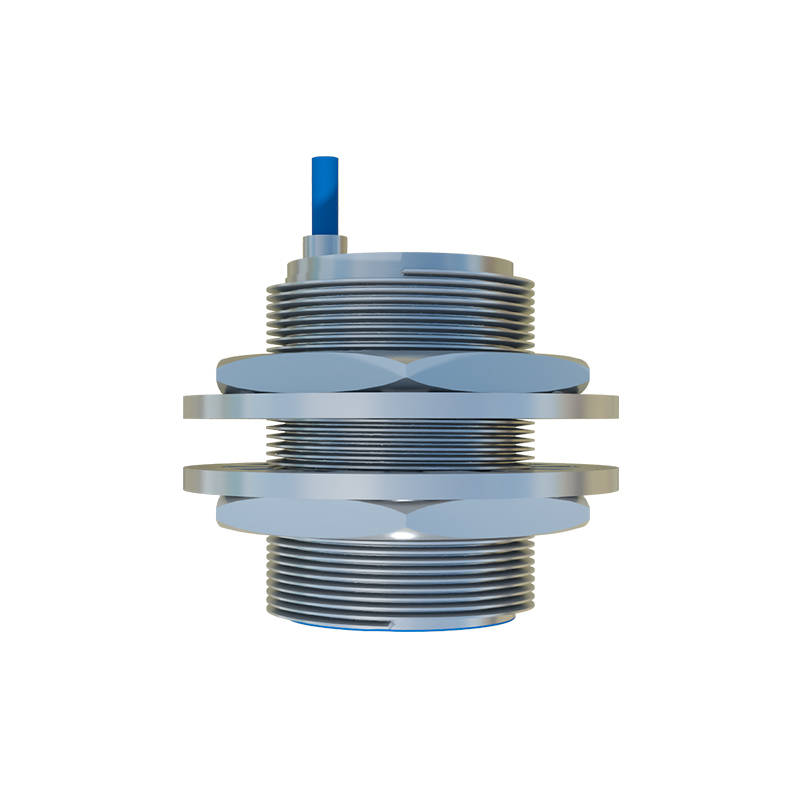
In summary, 2-wire proximity sensors offer a balance of simplicity, reliability, and affordability. By understanding their operation and limitations, users can effectively integrate them into automated systems to improve efficiency and safety. Whether for basic detection or complex industrial processes, these sensors remain a cornerstone of modern automation.