In the realm of industrial automation and electronic device design, proximity sensors play a critical role in enabling non-contact detection of objects. Among the myriad of models available, the Proximity Sensor 18485 has established itself as a reliable and widely adopted component. This article delves into the technical specifications, operational principles, common applications, and key considerations for integrating this specific sensor into various systems.
At its core, the Proximity Sensor 18485 is an inductive-type sensor. This means it generates an electromagnetic field and detects changes in that field caused by the presence of a metallic target object. It does not require physical contact to operate, which significantly reduces mechanical wear and tear, enhancing longevity and reliability in demanding environments. Typical sensing distances for this model range within a few millimeters to several centimeters, depending on the target material and size. It is often characterized by its robust housing, frequently constructed from materials like nickel-plated brass or stainless steel, providing resistance to vibration, moisture, and industrial contaminants.
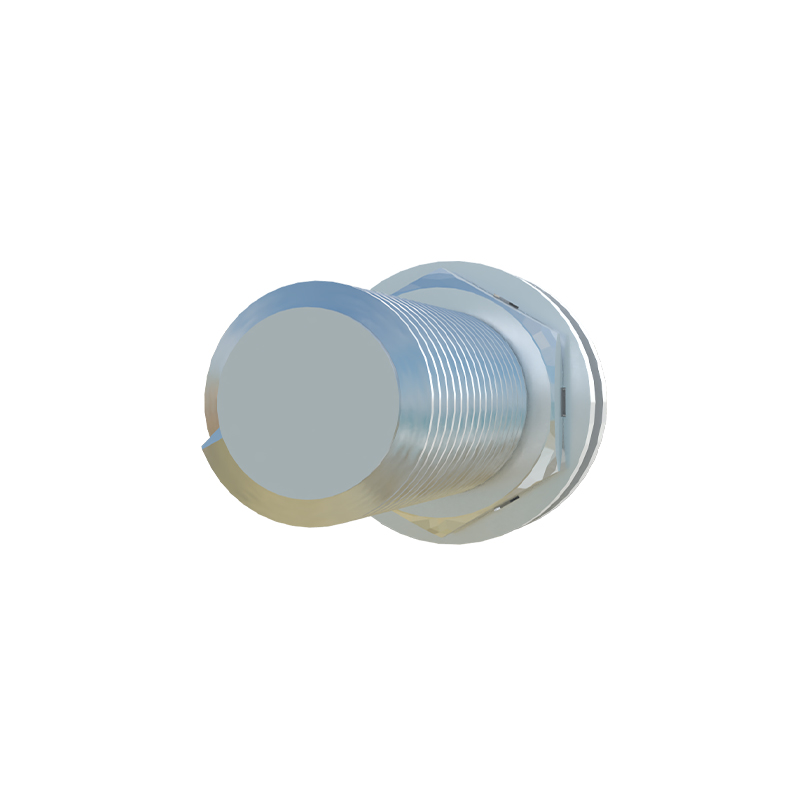
The operational principle is straightforward yet effective. The sensor's oscillator circuit generates a high-frequency electromagnetic field at its active face. When a conductive metal object enters this field, eddy currents are induced on the surface of the object. These eddy currents draw energy from the oscillator, resulting in a measurable damping or amplitude reduction of the oscillations. The sensor's evaluation circuit detects this change and triggers a solid-state switch, typically providing a digital output signal. This output is commonly in the form of a PNP (sourcing) or NPN (sinking) configuration, compatible with standard programmable logic controllers (PLCs), counters, and other control systems. The 18485 model usually operates on a standard DC voltage supply, such as 10-30V DC, making it versatile for integration into various power architectures.
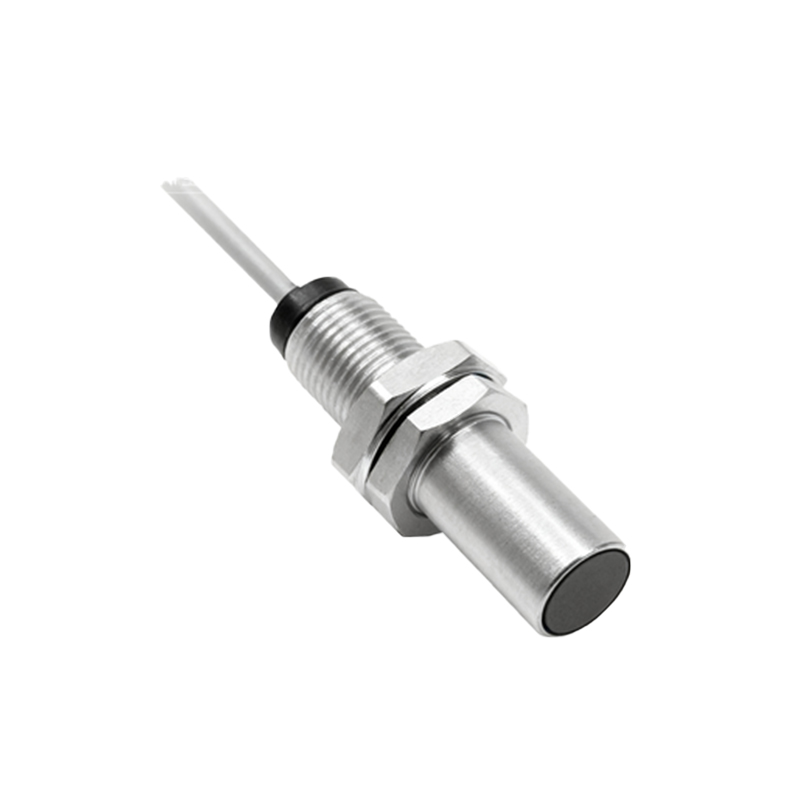
Applications for the Proximity Sensor 18485 are extensive across multiple industries. In automotive manufacturing, it is used for precise position detection in assembly lines, such as verifying the presence of engine components or confirming the closure of doors and panels. Within packaging machinery, it ensures correct bottle cap placement or counts products on a conveyor belt. In material handling systems, it detects the position of pallets, robotic arms, or actuators, providing essential feedback for automated sequencing. Its durability also makes it suitable for harsh environments like metalworking, where it can monitor tool position or detect the end of a metal sheet.
Selecting and installing the Proximity Sensor 18485 requires attention to several factors. First, the target material is paramount; inductive sensors primarily detect metals, with different detection efficiencies for steel, aluminum, and copper. The sensor's rated sensing distance is specified for a standard mild steel target; for other metals, a correction factor must be applied. Second, environmental conditions must be considered. While robust, the sensor has an operating temperature range and an Ingress Protection (IP) rating that should match the application to prevent failure from dust, coolants, or temperature extremes. Third, electrical characteristics are crucial. Ensuring the correct voltage supply, output type (PNP/NPN), and connection to the load (with appropriate protective circuits) is essential for safe and reliable operation. Finally, mechanical installation requires care to avoid mounting the sensor too close to other metal surfaces, which could cause false triggering or shielding effects.
Troubleshooting common issues often involves a systematic approach. If the sensor fails to detect a target, verify the power supply, check for physical damage or contamination on the sensing face, and confirm that the target is within the specified sensing range and is of an appropriate material. Erratic switching might be caused by electrical noise interference, which can be mitigated by using shielded cables and ensuring proper grounding. Regular maintenance, primarily keeping the sensing face clean and checking for loose wiring, can prevent most operational problems.
In conclusion, the Proximity Sensor 18485 represents a mature and dependable technology for non-contact metallic object detection. Its design balances sensitivity, robustness, and ease of integration, making it a staple in factory automation and machinery control. By understanding its working principles, carefully matching its specifications to the application requirements, and following proper installation practices, engineers and technicians can leverage this sensor to create more efficient, reliable, and intelligent automated systems. As industry continues to evolve towards greater connectivity and precision, components like the 18485 will remain fundamental building blocks in the infrastructure of automation.