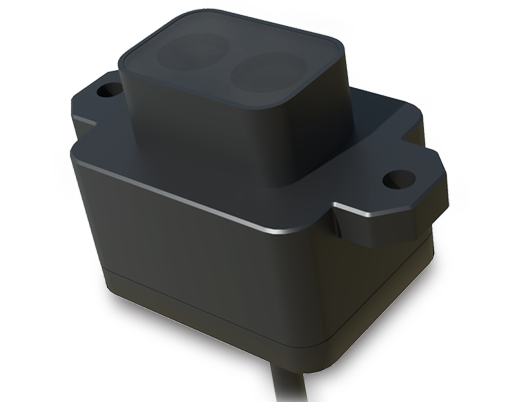
In modern automated welding, achieving consistent, high-quality welds is paramount. This is where laser weld seam tracking sensors emerge as a critical enabling technology. Unlike traditional welding methods that rely on pre-programmed paths, these sensors provide real-time, adaptive guidance, ensuring the welding torch follows the actual joint seam with exceptional accuracy, even in the presence of part fit-up variations, thermal distortion, or inconsistent part positioning.
At its core, a laser weld seam tracking system operates on triangulation principles. The sensor, typically mounted ahead of the welding torch, projects a structured laser line or pattern onto the workpiece surface. A high-resolution camera, positioned at a known angle, captures the deformation of this laser line. Sophisticated vision algorithms then analyze this image in real-time. By interpreting the distinct shape and discontinuity created at the joint—be it a V-groove, lap, fillet, or butt joint—the system calculates the precise three-dimensional coordinates of the seam centerline. This positional data is continuously fed to the robot or motion controller, which dynamically adjusts the torch path to maintain perfect alignment.
The technological advantages are substantial. First and foremost is precision, with modern systems capable of sub-millimeter tracking accuracy. This directly translates to superior weld quality, reduced defects like lack of fusion or undercut, and minimized rework. Secondly, it introduces remarkable flexibility. Manufacturers can handle batch sizes of one or high-mix production without extensive tooling or perfect fixturing, as the system compensates for part-to-part variation. This adaptability is crucial for industries like automotive or heavy machinery where component tolerances can vary. Thirdly, it enhances process robustness. The sensor can detect and compensate for thermal warping during long welds, a common challenge in high-heat-input processes. Furthermore, by precisely following the joint, it often allows for increased travel speeds without sacrificing quality, boosting overall productivity.
Key components define system performance. The laser source, often a Class 2M visible red laser or a blue laser for better performance on reflective materials, must provide a crisp, stable line. The vision camera's resolution and frame rate determine the system's sensitivity and response speed. The processing unit, increasingly powered by advanced algorithms and sometimes AI for complex joint recognition, is the brain that interprets data and generates correction signals. Integration with the welding robot's control system is seamless, often through standard interfaces like Ethernet/IP or PROFINET.
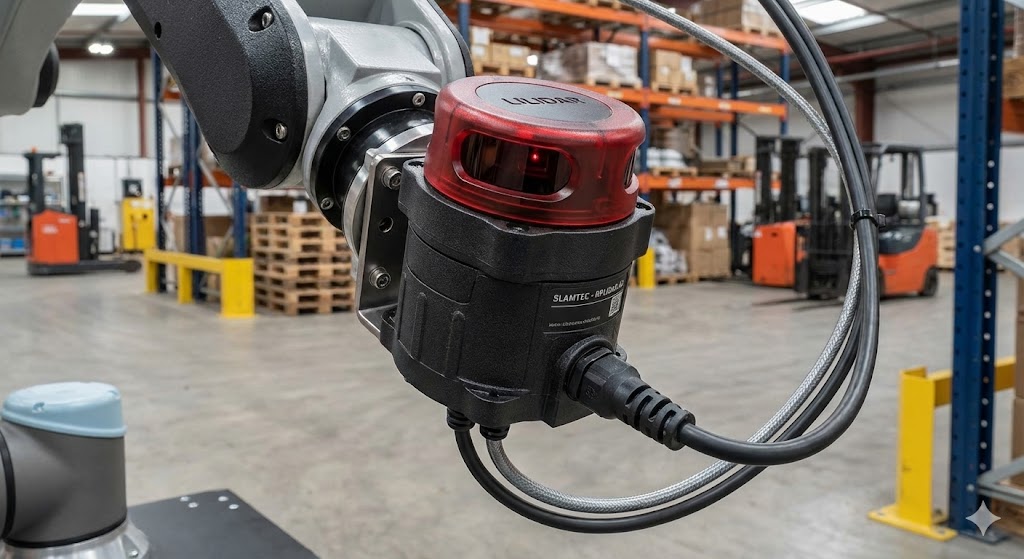
Industrial applications are vast and growing. In automotive manufacturing, these sensors are indispensable for body-in-white assembly, ensuring perfect welds on car frames and chassis components with complex geometries. In shipbuilding and structural steel fabrication, they guide welding along long, often imperfect seams in large panels and I-beams. The pipe and tube welding sector relies on them for circumferential and longitudinal seams, where consistency is critical for pressure integrity. Even in specialized applications like cladding or hardfacing, precise tracking ensures uniform material deposition.
When selecting a laser seam tracking system, engineers must consider several factors. The joint types to be welded (groove geometry, gap tolerance), the required working distance and field of view, the reflectivity of the base material, and environmental factors like ambient light, spatter, and fumes are critical. Modern sensors are built to withstand harsh industrial environments, featuring robust housings, air-purge connections for lens protection, and integrated cooling. The choice between a through-arc tracking system (which uses welding arc parameters) and a laser-based system often hinges on the need for pre-weld inspection; laser sensors can scan the joint before the arc is initiated, providing valuable data for adaptive process control.
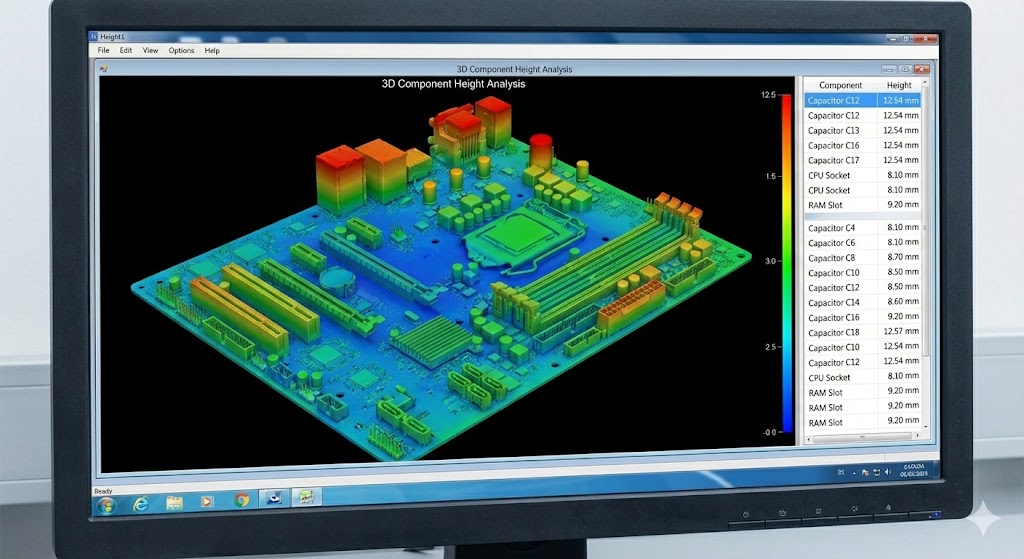
The future of this technology points toward greater integration and intelligence. The convergence of high-speed 3D scanning with real-time process monitoring (weld pool observation, thermal imaging) is creating closed-loop adaptive welding systems. Machine learning algorithms are being trained to recognize and classify joint imperfections, predict optimal welding parameters, and make autonomous corrections. Furthermore, the miniaturization of sensors facilitates their use on smaller collaborative robots, expanding automation to tasks previously deemed too intricate or low-volume.
In conclusion, laser weld seam tracking sensors are far more than simple guidance tools. They are sophisticated cyber-physical systems that bridge the gap between the digital robotic program and the physical, variable welding environment. By delivering uncompromising precision and adaptive control, they form the backbone of modern, agile, and quality-driven welding automation, enabling manufacturers to achieve new levels of efficiency, consistency, and capability in their fabrication processes. Their continued evolution will be central to the advancement of smart manufacturing and Industry 4.0 initiatives within the metal joining sector.