In the realm of industrial automation and machine safety, the reliability and precision of sensing components are paramount. Among the myriad of solutions available, the ALPS 1-24-N0 proximity sensor stands out as a robust and widely implemented inductive device. This article provides a technical examination of its operational principles, key specifications, and typical applications within demanding industrial environments.
Fundamentally, the ALPS 1-24-N0 is an inductive proximity sensor. Its core operating principle is based on electromagnetic induction. The sensor generates a high-frequency oscillating electromagnetic field from its active face. When a metallic target (typically ferrous metals like steel or iron, though non-ferrous metals can be detected at reduced sensing ranges) enters this field, eddy currents are induced within the target. These eddy currents cause a measurable change in the oscillation amplitude or frequency within the sensor's internal LC tank circuit. This change is detected by the sensor's circuitry, which subsequently triggers a switching action in its solid-state output. The "1-24-N0" designation often correlates with specific characteristics: a likely sensing distance, a 24V DC operating voltage, and a particular output configuration (often NPN normally open, but verification with the official datasheet is critical).
Key technical specifications define its performance envelope. The nominal sensing distance, often 1mm or similar, is a crucial parameter, indicating the standard distance at which a standard target will reliably trigger the sensor. Factors like target material, size, and shape can affect this practical range. The operating voltage range is typically centered around 24V DC, a standard in industrial control panels. Output types are a critical selection criterion. The ALPS 1-24-N0 commonly comes in two-wire or three-wire configurations. Three-wire versions offer NPN (sinking) or PNP (sourcing) transistor outputs, providing compatibility with different PLC (Programmable Logic Controller) input card types. The switching frequency, or response time, determines how quickly the sensor can detect passing targets, a vital factor in high-speed counting or positioning applications. Additionally, these sensors are characterized by their robust construction, often featuring a stainless-steel or nickel-plated brass housing rated for IP67 or higher, making them resistant to dust, oils, and temporary immersion—essential for harsh factory floor conditions.
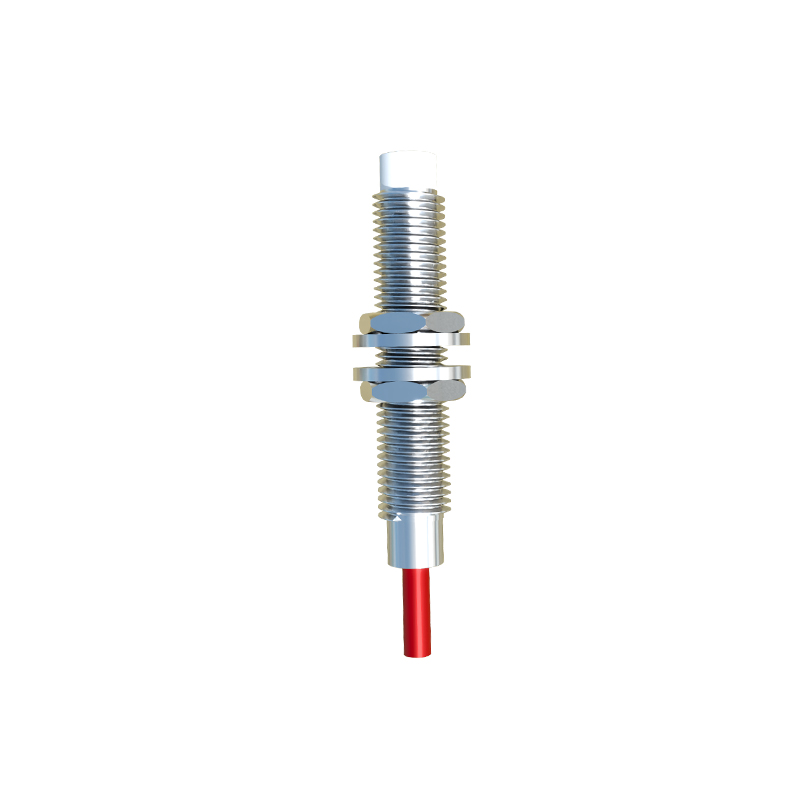
The application landscape for the ALPS 1-24-N0 is extensive. A primary use is position detection and end-of-travel limiting. It is routinely installed on linear actuators, cylinders, and slides to confirm the extended or retracted position of a machine component, providing essential feedback to the control system. In material handling and packaging, these sensors perform object detection on conveyor lines, verifying the presence of cans, bottles, or boxes, and triggering subsequent actions like sorting, filling, or labeling. They are indispensable in rotary encoding and speed monitoring, where a metallic lobe on a rotating shaft passes by the sensor face, generating pulses that can be counted to determine rotational speed or angular position. Furthermore, in machine safety interlocking, though not a primary safety-rated device, they can be part of non-critical guarding systems to detect if a safety door or panel is properly closed before machine cycle initiation.
Installation and commissioning require attention to detail. Mounting must consider the sensor's "blind zone," the area immediately behind the sensing face where detection is not possible. Proper alignment with the target path is necessary for consistent operation. For metallic mounting surfaces, a non-ferrous bracket or maintaining a minimum clearance between the sensor body and the mount is recommended to prevent false triggering due to side-activation. Electrical wiring must adhere to the specified circuit diagram, ensuring correct polarity for DC models and incorporating protective devices like surge suppressors when driving inductive loads (e.g., relays) to protect the sensor's solid-state output from voltage transients.
When selecting a sensor like the ALPS 1-24-N0, engineers must cross-reference application requirements with the official manufacturer's datasheet. Critical questions include: Is the target material ferrous or non-ferrous? What is the required sensing distance with a safety factor? What is the required output type (NPN/PNP) to interface with the existing controller? What are the environmental conditions (temperature, washdown, chemicals)? Answering these ensures optimal performance and longevity.
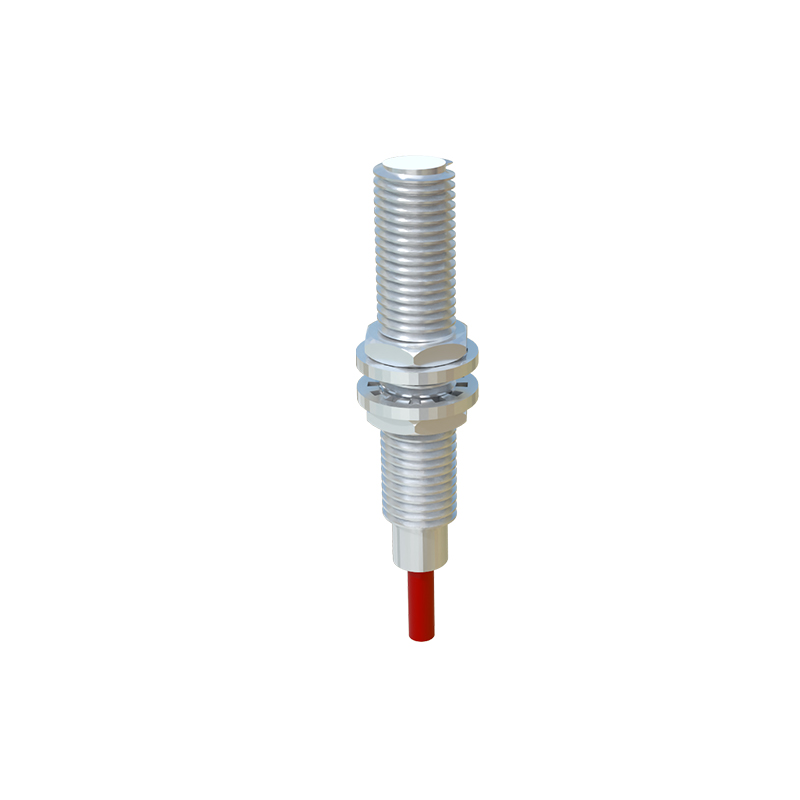
In conclusion, the ALPS 1-24-N0 proximity sensor exemplifies the critical role of dependable, non-contact sensing in modern industry. Its inductive technology offers a wear-free solution for countless detection tasks involving metals. By understanding its technical foundations, specifications, and application best practices, maintenance technicians and design engineers can effectively integrate this component into systems requiring high repeatability, fast response, and resilience in challenging operational environments. Always consult the latest technical documentation from Alps Alpine or its authorized distributors for precise specifications