In the rapidly evolving landscape of industrial automation and smart systems, multifunctional proximity sensors have become indispensable components. These devices detect the presence or absence of an object within a specified range without any physical contact, offering reliability, longevity, and precision. Their "multifunctional" nature stems from their ability to perform across various sensing principles, environmental conditions, and output configurations, catering to a wide array of industrial and commercial needs.
The core types of multifunctional proximity sensors are primarily defined by their underlying detection technology. Inductive proximity sensors are the workhorses for detecting metallic objects. They generate an electromagnetic field, and when a metal target enters this field, it induces eddy currents, causing a change in the sensor's oscillation amplitude, which triggers the output. These sensors are renowned for their robustness, high switching frequency, and resistance to harsh environments like dust, oil, and coolant, making them ideal for machine tools, automotive assembly, and material handling.
Capacitive proximity sensors, on the other hand, can detect both metallic and non-metallic materials, including liquids, powders, plastics, and wood. They function by measuring changes in capacitance between the sensor's active surface and the target object. This versatility allows them to be used in level detection for tanks and silos, presence sensing of packaging materials, and even touch-sensitive interfaces. Modern multifunctional variants often include sensitivity adjustment screws or teach-in functions to fine-tune the sensing range for specific materials, reducing false triggers.
Ultrasonic proximity sensors utilize sound waves beyond human hearing. They emit ultrasonic pulses and measure the time taken for the echo to return from a target. This time-of-flight principle enables them to detect objects regardless of color, transparency, or material composition, and they can often provide analog distance information. Multifunctional ultrasonic sensors are crucial in challenging conditions where optical sensors might fail, such as in the presence of smoke, steam, or highly reflective surfaces. Applications include palletizing, loop control in web processes, and collision avoidance in automated guided vehicles (AGVs).
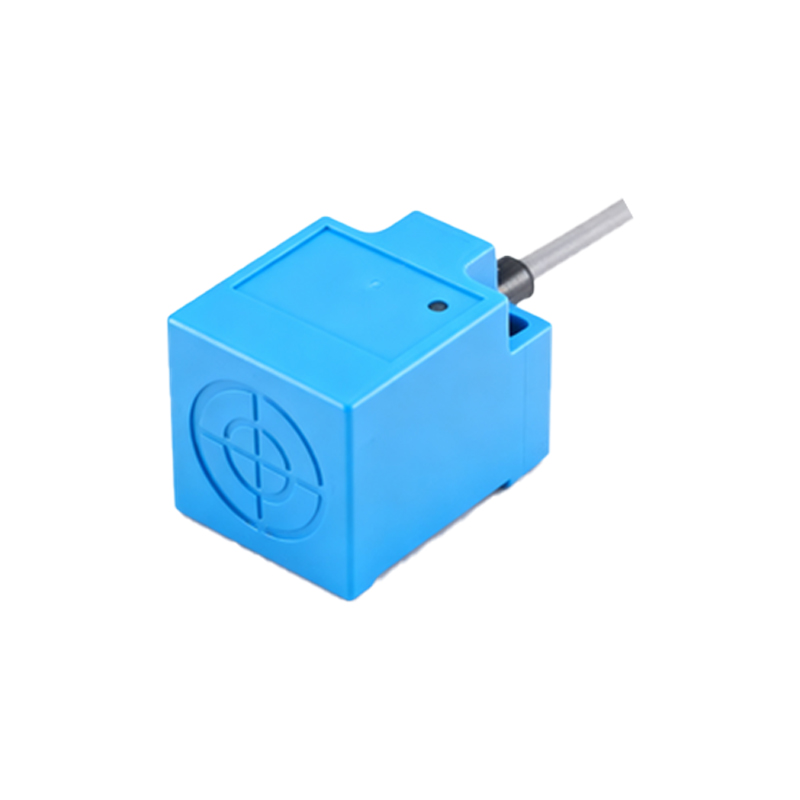
Photoelectric sensors, while sometimes categorized separately, are integral to the multifunctional proximity sensor family. They use a light emitter (usually LED or laser) and a receiver. Multifunctional models offer various operating modes: through-beam (for long ranges and high reliability), retro-reflective (using a reflector), and diffuse reflective (where the target itself reflects the light). Advanced versions feature background suppression technology, which ignores objects beyond a set distance, and color or contrast recognition. They are essential in packaging, electronics assembly, and conveyor belt systems for detecting transparent bottles, small components, or specific labels.
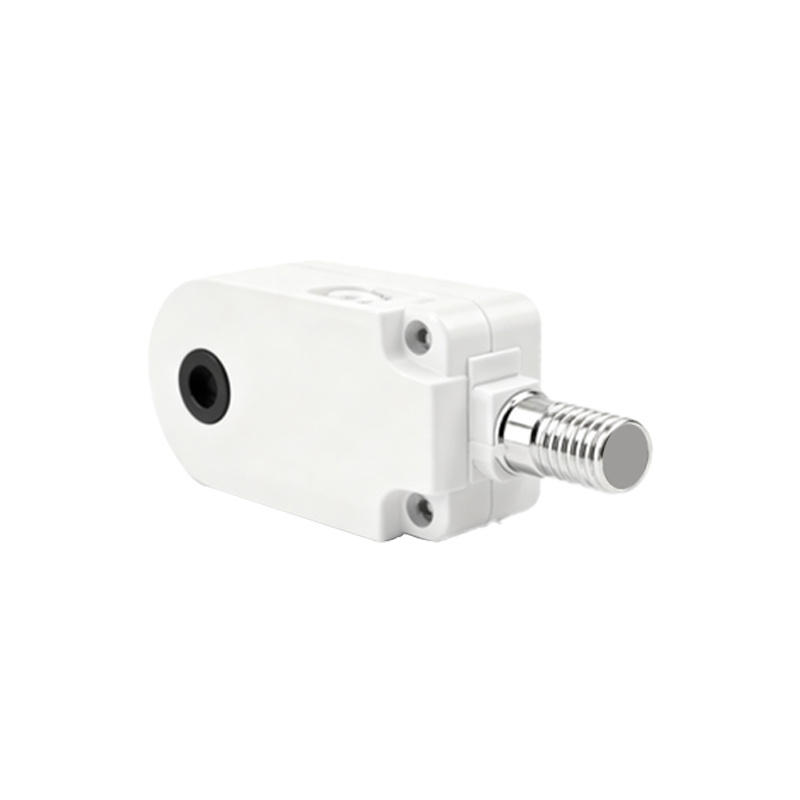
The true "multifunctionality" of modern sensors is further amplified by their sophisticated output and connectivity options. A single sensor unit may offer configurable outputs such as NPN/PNP transistor switching, analog current (4-20 mA) or voltage (0-10 V), and even IO-Link digital communication. IO-Link transforms a standard sensor into a smart device, enabling parameter setting, real-time process data monitoring, and remote diagnostics directly from a controller. This facilitates predictive maintenance and seamless integration into Industry 4.0 frameworks.
Housing design and environmental protection ratings (like IP67, IP69K) are critical aspects. Multifunctional sensors are available in cylindrical, rectangular, or slot-style housings made from stainless steel, nickel-plated brass, or PBT plastic to withstand mechanical stress, chemical exposure, and extreme temperatures. Some are specifically designed for hygienic applications in food and pharmaceutical industries with smooth surfaces and easy-clean capabilities.
Selecting the right multifunctional proximity sensor requires a systematic analysis of the application parameters. Key considerations include: the target material (metal, plastic, liquid), required sensing distance (nominal and practical), operating environment (temperature, pressure, contaminants), required output type (discrete switch, analog, digital), response time and switching frequency, electrical requirements (supply voltage, current consumption), and housing size/ mounting constraints. Consulting detailed datasheets and, when in doubt, engaging with sensor manufacturers' technical support is highly recommended.
In conclusion, multifunctional proximity sensors are not a single product but a diverse and intelligent category of sensing solutions. Their evolution continues, with trends pointing towards miniaturization, increased intelligence via embedded processors, enhanced noise immunity, and greater interoperability within networked industrial ecosystems. By understanding their types, capabilities, and selection criteria, engineers and system integrators can leverage these powerful devices to build more efficient, reliable, and adaptable automated systems.