In the rapidly evolving landscape of industrial automation, proximity sensors stand as critical components for enabling non-contact detection, ensuring safety, and enhancing operational efficiency. Among these, multi-function proximity sensors have gained significant prominence due to their versatility in detecting various objects, materials, and conditions. The establishment and adherence to a national standard for these devices are paramount for ensuring interoperability, safety, and reliability across diverse industrial sectors. This article delves into the core aspects of the national standard governing multi-function proximity sensors, outlining its significance, key specifications, and implications for engineers and system integrators.
The primary objective of a national standard for multi-function proximity sensors is to create a unified framework that defines performance parameters, testing methodologies, safety requirements, and communication protocols. This standardization is crucial for manufacturers, as it provides clear guidelines for design and production, ensuring that sensors from different vendors can reliably interface with control systems and machinery. For end-users, it guarantees a baseline level of quality, durability, and performance, reducing the risk of system failures and downtime.
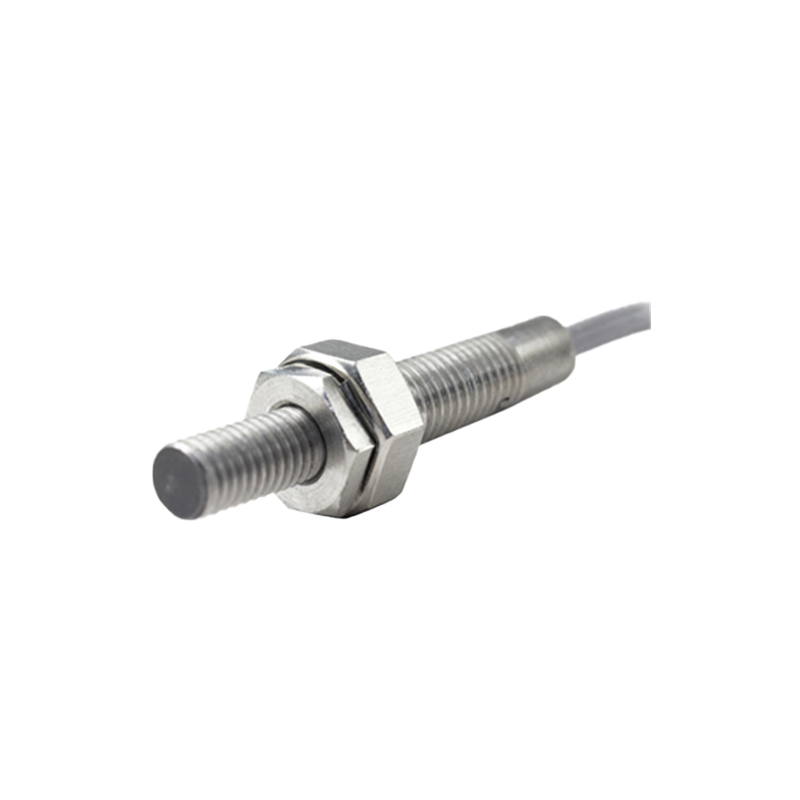
A key section of the standard typically addresses the classification of sensors based on their sensing principles. Multi-function proximity sensors may incorporate technologies such as inductive, capacitive, ultrasonic, or photoelectric sensing, often within a single housing. The standard meticulously defines the operational characteristics for each technology, including effective sensing ranges, repeat accuracy, response time, and environmental tolerances (e.g., temperature, humidity, and resistance to shock/vibration). For instance, it specifies the minimum and maximum detection distances under defined conditions and the hysteresis—a critical parameter for stable switching.
Electrical characteristics form another cornerstone of the standard. This includes specifications for supply voltage ranges, output types (e.g., NPN/PNP transistor, analog current/voltage, IO-Link), and load current capacities. The standard mandates clear labeling and documentation for these parameters to prevent misapplication. Safety is heavily emphasized, with requirements for protection against short-circuits, overloads, reverse polarity, and electromagnetic interference (EMI). Compliance with specific IP (Ingress Protection) ratings for dust and water resistance is also detailed, ensuring sensors can perform in harsh industrial environments.
The "multi-function" aspect is rigorously defined. The standard outlines requirements for sensors capable of multiple output modes or configurable parameters. This includes specifications for programmability, teach-in functions, and the ability to switch between detection modes (e.g., from detecting metallic objects to liquid levels). Protocols for digital communication, such as IO-Link, are increasingly integrated into the standard, defining how sensors report not just a switch state but also diagnostic data, parameter settings, and process values.
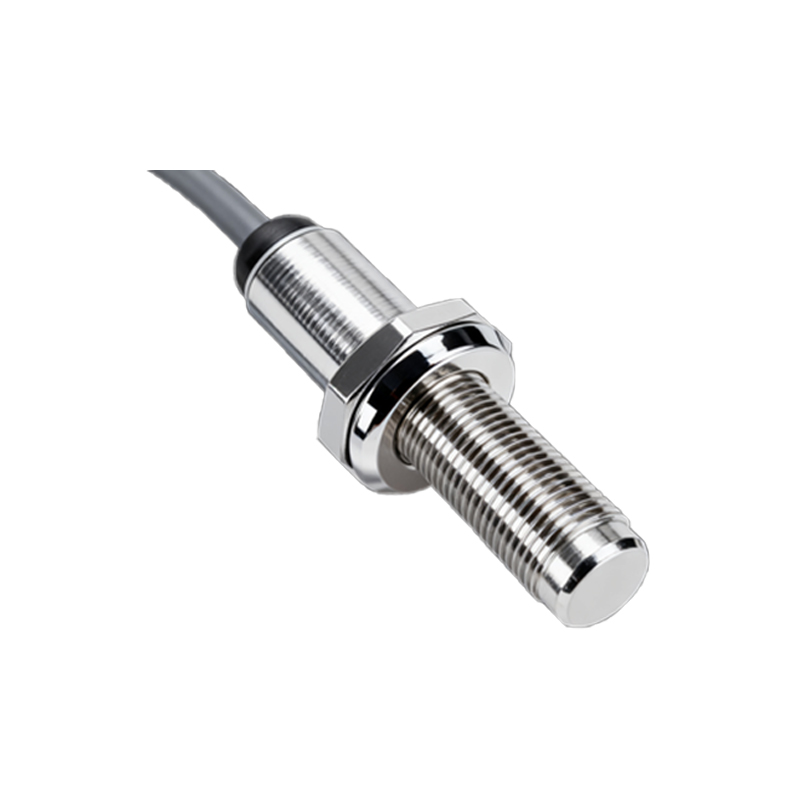
Testing and certification procedures are explicitly described. The standard lists the environmental and endurance tests a sensor must pass to claim compliance. These may involve prolonged operation at temperature extremes, exposure to corrosive chemicals, mechanical stress tests, and EMC (Electromagnetic Compatibility) testing. Certification by an accredited national body provides a mark of conformity, which is often a prerequisite for procurement in large-scale industrial and infrastructure projects.
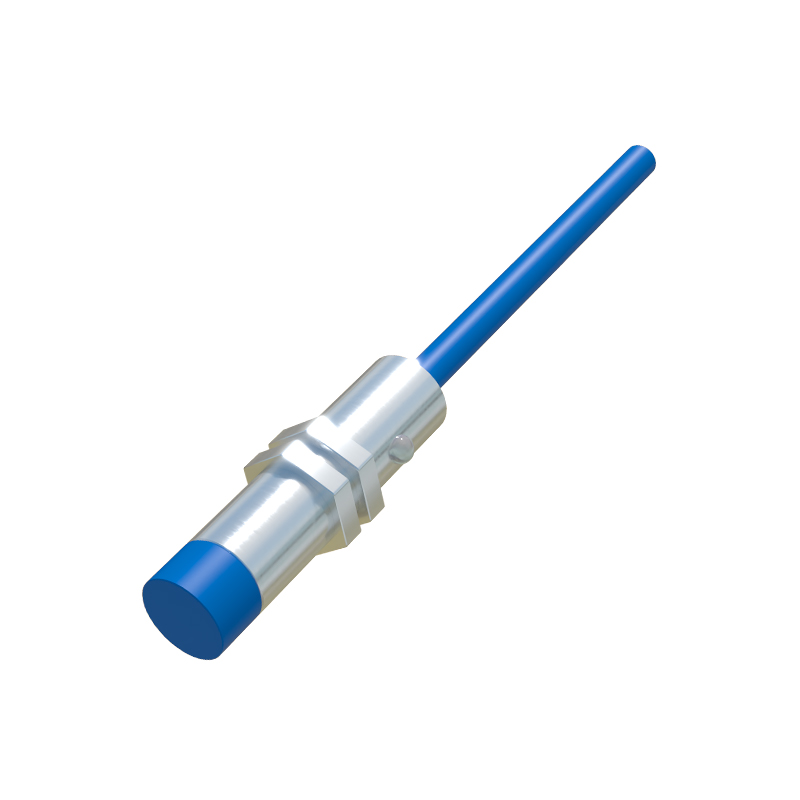
For electrical engineers and system designers, understanding this standard is essential for proper sensor selection and integration. It aids in creating specifications for procurement, ensuring that chosen sensors meet the necessary performance and safety benchmarks for the application—whether in automotive assembly lines, food and beverage processing, packaging machinery, or robotic cells. Adherence to the standard simplifies troubleshooting and maintenance, as behavior and interfaces are predictable.
In conclusion, the national standard for multi-function proximity sensors is not merely a technical document but a foundational element for modern industrial automation. It fosters innovation by setting clear performance goals while ensuring safety, reliability, and compatibility. As Industry 4.0 and smart manufacturing initiatives advance, the role of such standards will only grow in importance, guiding the development of next-generation sensors that are more intelligent, connected, and integral to the industrial ecosystem. Engineers are encouraged to actively consult the latest versions of the standard to leverage its full benefits in design and application.