Proximity sensors are indispensable components in modern industrial automation, offering non-contact detection capabilities that enhance efficiency, safety, and reliability. These sensors detect the presence or absence of objects within a specified range without physical contact, making them ideal for harsh environments where contamination, wear, or mechanical stress could compromise performance. The primary functions of proximity sensors can be categorized into several key areas, each contributing to streamlined operations across diverse industries.
One fundamental function is object detection and positioning. Proximity sensors accurately identify the position of components on assembly lines, conveyor systems, or robotic arms. For instance, in automotive manufacturing, they ensure parts are correctly aligned before welding or assembly processes. This precise detection minimizes errors, reduces waste, and maintains consistent production quality. Additionally, sensors can count objects as they pass through a designated point, enabling inventory management and production tracking without manual intervention.
Another critical application is safety and collision avoidance. In automated machinery and robotics, proximity sensors act as safety guards by detecting human presence or unexpected obstacles. They trigger emergency stops or slow down equipment to prevent accidents, protecting both personnel and machinery. This function is particularly vital in high-speed operations, such as packaging or material handling, where sudden interruptions could lead to costly damages or injuries. By integrating these sensors into safety systems, industries comply with regulatory standards while fostering a secure work environment.
Proximity sensors also facilitate condition monitoring and predictive maintenance. By detecting changes in vibration, alignment, or material properties, they help identify potential equipment failures before they occur. For example, in rotating machinery, sensors can monitor bearing wear or misalignment, alerting operators to schedule maintenance proactively. This predictive approach reduces downtime, extends equipment lifespan, and lowers operational costs. Moreover, sensors can detect liquid levels in tanks or silos, ensuring optimal resource management and preventing overflow or shortages in processes like chemical processing or food production.
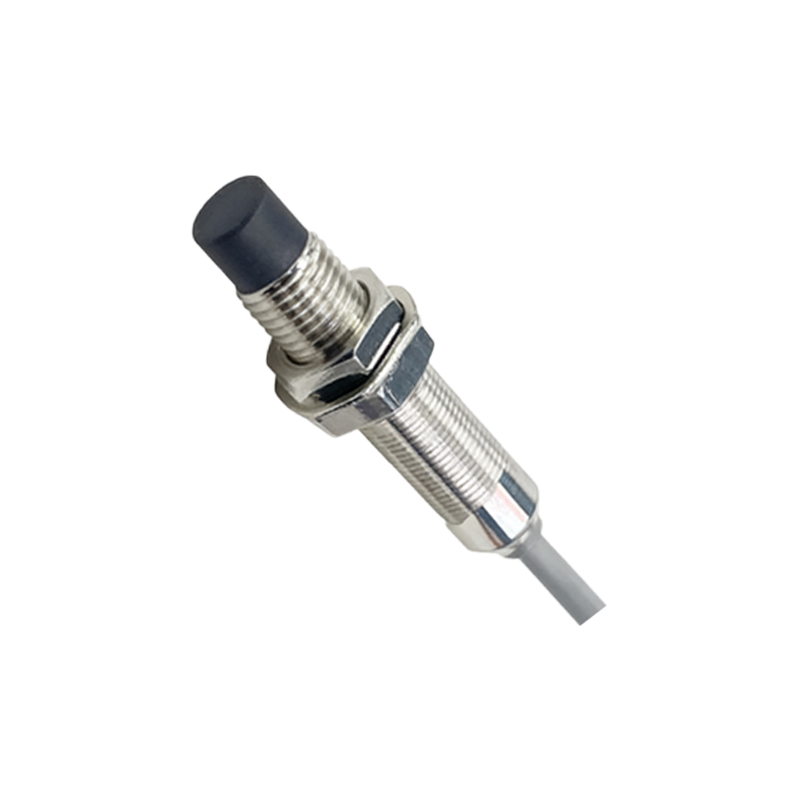
In material handling and logistics, proximity sensors enable automation in sorting, packaging, and transportation. They distinguish between different materials or package sizes, directing items to appropriate pathways in distribution centers. This function enhances throughput and accuracy in supply chains, especially in e-commerce and warehousing, where speed and precision are paramount. Sensors with advanced capabilities, such as inductive or capacitive types, can even detect metallic or non-metallic objects through various barriers, adding versatility to complex systems.
Furthermore, proximity sensors contribute to energy efficiency and process optimization. By controlling the activation of machinery based on object presence, they prevent unnecessary operation, reducing energy consumption. In lighting systems, for instance, sensors turn lights on or off based on occupancy, cutting electricity costs in industrial facilities. In automated processes, they synchronize movements between different machine parts, ensuring smooth coordination and minimizing idle time. This optimization not only conserves resources but also boosts overall productivity.
The versatility of proximity sensors extends to specialized industries like aerospace, pharmaceuticals, and agriculture. In aerospace, they monitor component positions in aircraft assembly, where precision is critical for safety. In pharmaceuticals, sensors ensure sterile packaging by detecting contaminants or misaligned caps without touching products. In agriculture, they automate planting or harvesting equipment, improving yield and reducing labor demands. Each application leverages the sensor’s ability to operate reliably under extreme conditions, such as high temperatures, moisture, or electromagnetic interference.
Technological advancements continue to expand proximity sensor functions. Smart sensors with IoT connectivity provide real-time data analytics, enabling remote monitoring and adaptive control. Innovations in miniaturization allow integration into compact devices, while enhanced sensitivity improves detection of small or fast-moving objects. As industries embrace Industry 4.0, these sensors become integral to interconnected systems, driving automation toward greater intelligence and autonomy.
In summary, proximity sensors serve multifaceted roles in industrial automation, from basic detection to complex safety and optimization tasks. Their non-contact nature, durability, and adaptability make them essential for modern manufacturing, logistics, and beyond. By understanding these functions, engineers and operators can deploy sensors effectively, unlocking higher efficiency and innovation in their operations. As technology evolves, proximity sensors will undoubtedly continue to shape the future of automation, offering new possibilities for smarter, more responsive industrial environments.