In the intricate world of industrial automation, where precision and reliability are paramount, the role of the Proximity Switch Sensor Engineer is both critical and often understated. These specialized engineers are the architects behind the non-contact sensing solutions that form the nervous system of modern manufacturing, robotics, and process control systems. Their expertise bridges the gap between theoretical electrical engineering and the harsh, practical demands of the factory floor.
A Proximity Switch Sensor Engineer's primary domain involves designing, selecting, integrating, and troubleshooting inductive, capacitive, ultrasonic, and magnetic proximity sensors. These devices detect the presence or absence of metallic or non-metallic objects without physical contact, triggering control actions in machinery. The engineer must possess a deep understanding of electromagnetic field theory, material science, and the operational principles of different sensor technologies. For instance, selecting an inductive sensor for detecting a steel gear tooth requires calculations involving the target material's permeability, the required sensing distance, and the electrical noise environment of the installation site.
The daily responsibilities extend far beyond component selection. Engineers in this field are deeply involved in system integration. They work closely with control system designers and PLC programmers to ensure the sensor's output signal—be it PNP, NPN, analog, or IO-Link—is correctly interpreted by the control logic. They design mounting fixtures and brackets to ensure optimal sensing position and repeatability, often using CAD software. Environmental factors are a constant consideration; engineers must specify sensors with appropriate ingress protection (IP) ratings for dusty, wet, or washdown environments and ensure they can withstand temperature extremes, vibration, and chemical exposure common in industrial settings.
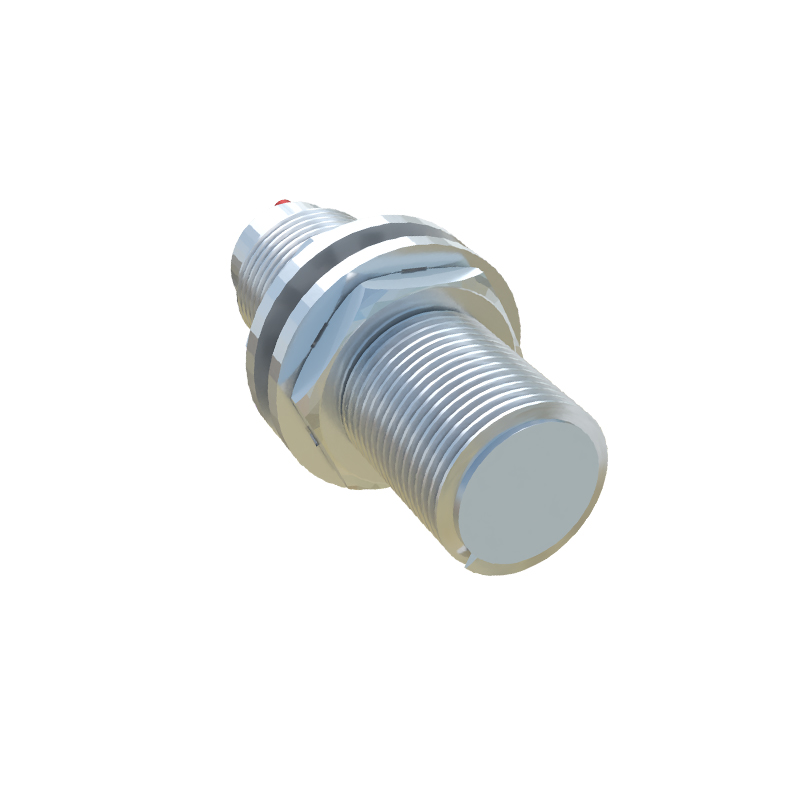
Troubleshooting is a significant part of the role. When a production line halts due to a faulty sensor signal, the engineer must quickly diagnose the issue. Is it a sensor failure, misalignment, electrical interference, a grounding problem, or an incompatible target object? Using tools like oscilloscopes and multimeters, they analyze signal integrity, check power supplies, and verify wiring. Their deep knowledge allows them to distinguish between application errors and hardware failures, minimizing costly downtime.
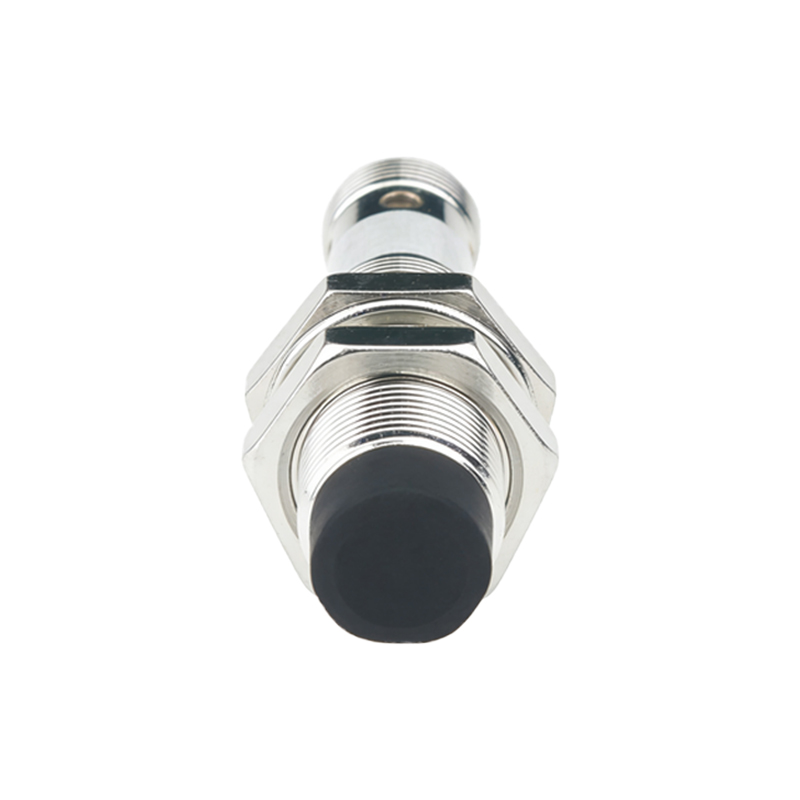
Furthermore, the modern Proximity Switch Sensor Engineer is at the forefront of Industry 4.0. They integrate smart sensors with digital communication protocols like IO-Link, which provides valuable diagnostic data (e.g., operating temperature, signal strength, contamination warnings) to predictive maintenance systems. This evolution requires them to understand data structures, network topologies, and how to leverage this data to improve overall equipment effectiveness (OEE).
The career path demands a strong foundation in electrical or electronics engineering, complemented by hands-on experience. Continuous learning is essential due to rapid technological advancements in sensing technology, materials, and communication standards. These engineers must also develop soft skills for effective collaboration with cross-functional teams, including technicians, production managers, and maintenance personnel.
In essence, the Proximity Switch Sensor Engineer is a vital problem-solver. They ensure that automated systems "see" and "feel" their environment with unwavering accuracy. From ensuring a robotic arm picks up a component correctly to guaranteeing a packaging machine seals only when a product is present, their work is embedded in the seamless, efficient, and safe operation of countless industrial processes. Their contributions, though frequently invisible to the end-user, are fundamental to the productivity and innovation that define contemporary manufacturing.