In the realm of industrial automation and control systems, proximity switch sensors are indispensable components for non-contact detection, object positioning, and machinery safety. Among the various sensing ranges available, the 10cm (approximately 4 inches) proximity sensor holds a particularly significant position due to its versatility and widespread applicability. This article delves into the technical aspects, operational principles, selection criteria, and common applications of 10cm proximity switches, providing a thorough resource for engineers and technicians.
Proximity sensors operating at a 10cm range typically utilize inductive, capacitive, or ultrasonic sensing technologies. Inductive sensors are the most prevalent for metallic object detection. They generate an electromagnetic field and detect changes caused by a metallic target entering the sensing zone. The 10cm inductive proximity switch is ideal for applications like conveyor belt monitoring, robotic arm end-effector positioning, and detecting the presence of metal parts in assembly lines. Their key advantages include high switching frequency, robustness in harsh environments (resistant to dust, oil, and vibrations), and long operational life due to the absence of mechanical wear.
Capacitive proximity sensors, capable of detecting both metallic and non-metallic materials (such as plastics, liquids, or wood), also come in 10cm variants. They function by measuring changes in capacitance between the sensor and the target object. These sensors are crucial in industries like packaging, food and beverage, and chemical processing, where material diversity is common. For instance, a 10cm capacitive sensor can reliably detect the level of liquid in a non-metallic tank or the presence of a glass bottle on a filling line.
Ultrasonic 10cm proximity sensors offer another solution, especially for precise distance measurement and detection of objects with complex surfaces. They emit high-frequency sound waves and calculate distance based on the time taken for the echo to return. This technology is less affected by color, transparency, or material composition, making it suitable for challenging conditions where other sensors might fail.
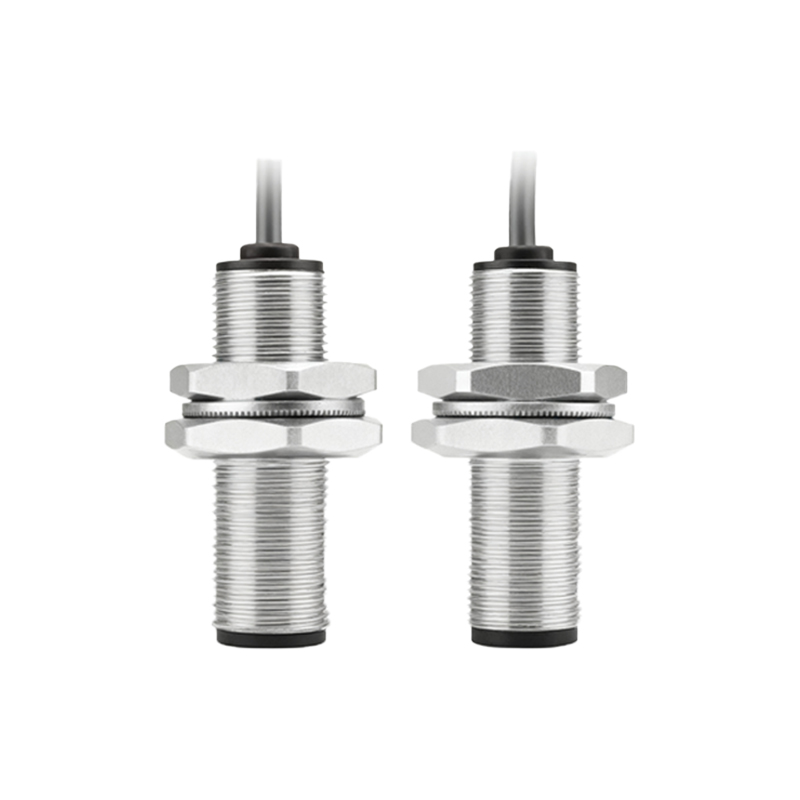
Selecting the right 10cm proximity switch requires careful consideration of several parameters. First, the sensing technology must match the target material. Second, environmental factors like temperature extremes, humidity, and potential chemical exposure dictate the required housing material (often nickel-plated brass or stainless steel) and ingress protection (IP) rating. Third, electrical characteristics are vital: the output type (PNP/NPN, NO/NC), supply voltage (commonly 10-30V DC), and current rating must be compatible with the control system. Additionally, mounting style (flush or non-flush) influences the sensor's effective sensing range and immunity to adjacent metal interference.
Installation and wiring are straightforward but demand attention to detail. Ensure the sensor is mounted securely without misalignment to the expected target path. Maintain the specified nominal sensing distance (Sn) of 10cm, considering that factors like target size, material, and temperature can cause a reduction in the actual operating distance. Always refer to the manufacturer's datasheet for derating curves and temperature compensation data. For wiring, proper shielding of cables is recommended in electrically noisy environments to prevent false triggering.
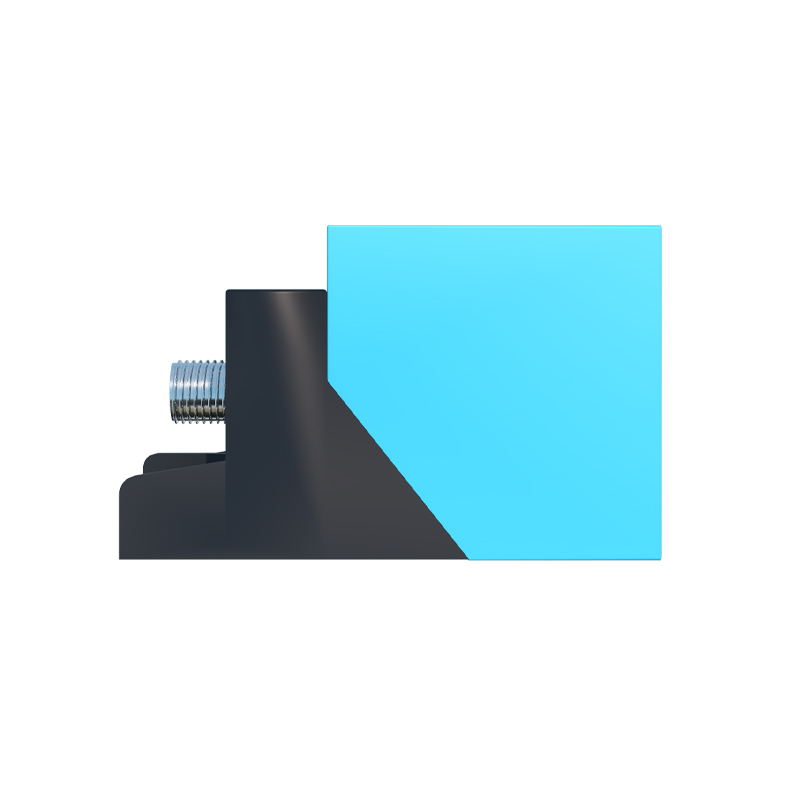
The applications of 10cm proximity sensors span numerous industries. In automotive manufacturing, they verify the presence of engine blocks on pallets. In material handling, they count boxes on conveyors or control gate positions. In automated warehousing, they ensure precise positioning of shuttle carts. They also play a critical role in safety systems, such as interlock switches on machine guards, where maintaining a reliable detection zone is paramount for operator protection.
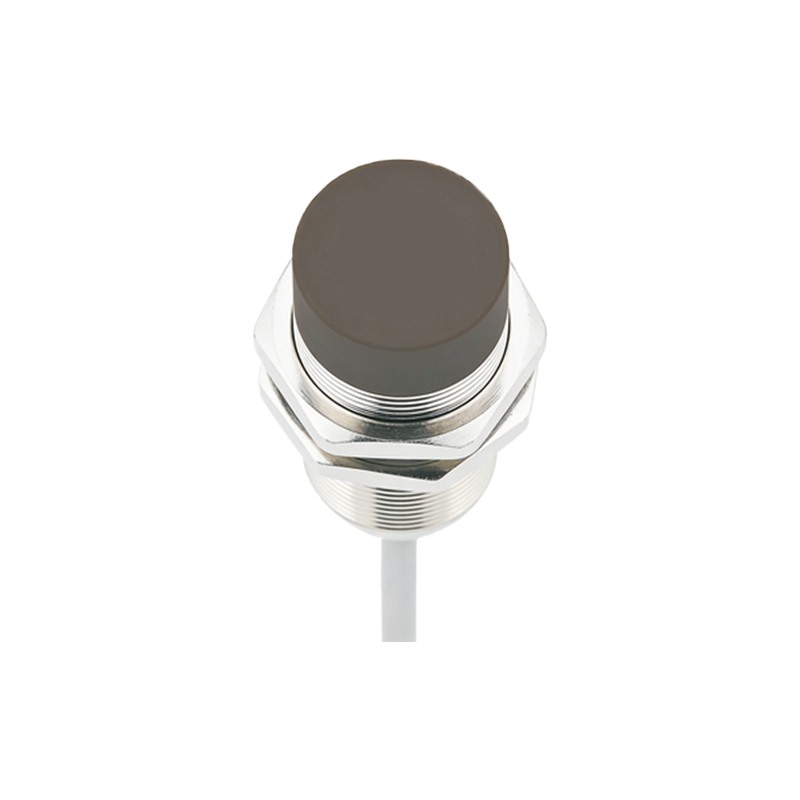
Maintenance of these sensors is generally minimal. Regular cleaning of the sensing face to remove debris, periodic checks for physical damage, and verification of electrical connections are usually sufficient. However, troubleshooting might be necessary if performance degrades. Common issues include reduced sensing range (often due to accumulated metallic swarf on inductive sensors), unstable output (possibly from power supply fluctuations or electromagnetic interference), or complete failure (check for wiring faults or internal component damage).
In conclusion, the 10cm proximity switch sensor is a robust, reliable, and flexible solution for mid-range non-contact detection tasks in industrial settings. By understanding its working principles, carefully selecting the appropriate type, and following best practices for installation and maintenance, engineers can significantly enhance the efficiency, safety, and reliability of automated systems. As Industry 4.0 advances, these sensors continue to evolve with features like IO-Link communication for diagnostic data, further solidifying their role in smart factories.